
After recently enjoying an amazing Valentines Day degustation dinner at ‘Grace Eats’, a delightful cafe located in the fertile farmlands of South East Queensland’s Lockyer Valley, I decided to do some research and find out what this decadent style of dining is really all about.
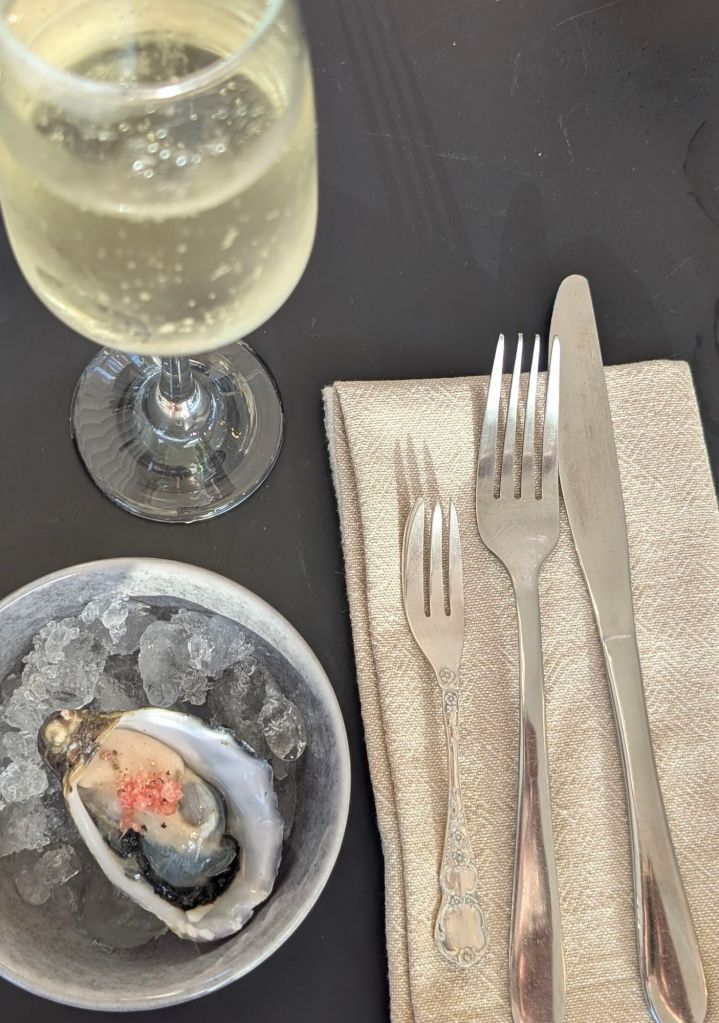
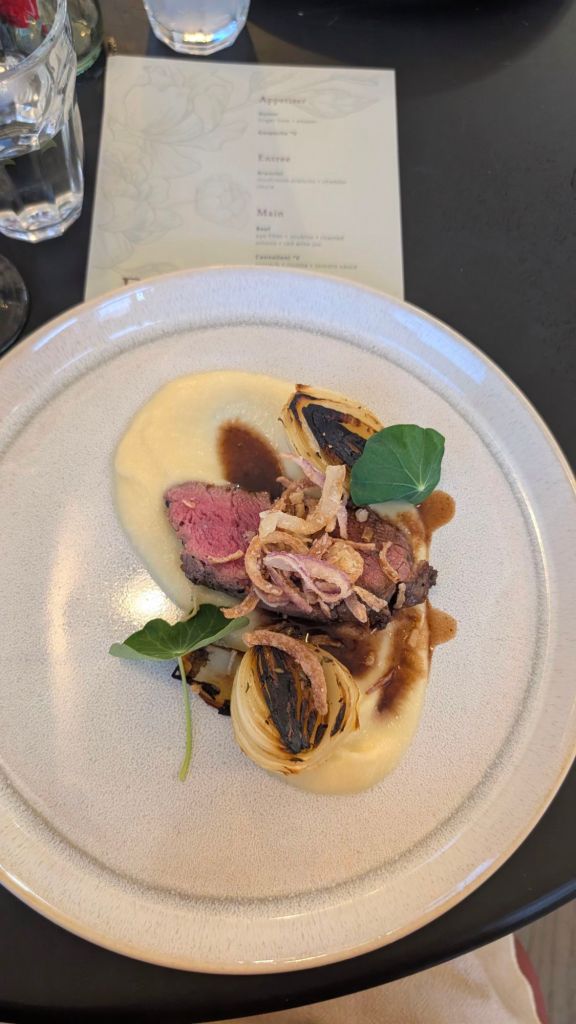
The French term ‘dégustation’ comes from the Latin word ‘degustare’, which means “to taste”, so a degustation menu can also be referred to as a ‘tasting menu’.
Degustation Menus are a way for chefs to showcase their skills, their creativity and their signature dishes all in one sitting, via a set menu of small dishes, uniquely plated and styled, and designed to excite and tantalise the senses.
A typical degustation menu can be anywhere from five to ten courses, depending on the chef’s preference and type of restaurant, and will usually take between two and four hours to complete. Each course is served at a leisurely pace (and often accompanied by a matching wine list), and this allows diners to really enjoy and savour each dish.
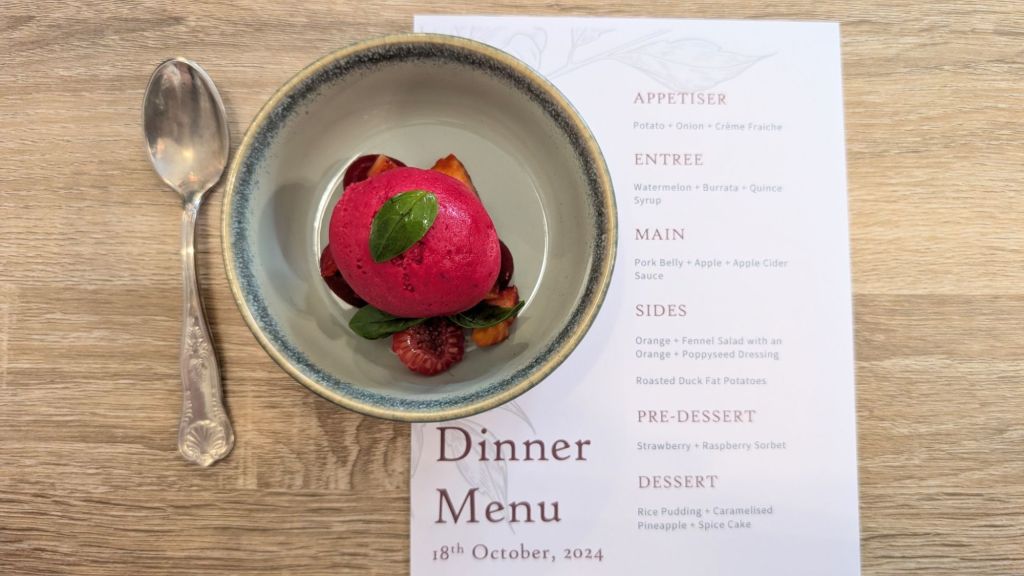
But degustation wasn’t always as simple as this. My research uncovered a wide variance in historical degustation practices throughout the ages.
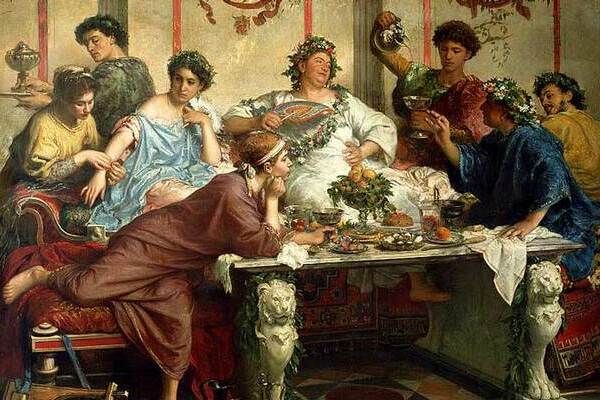
In Ancient Greece, royalty would eat several small dishes at the Pantheon in an effort to appease their gods, while in Ancient Rome, large feasts were common, often including exotic foods, such as game, fish, and shellfish, which were expensive and difficult to obtain. A reflection of the Roman’s love of indulgence and spectacle.
In the Middle Ages, it was considered a display of wealth and sophistication to enjoy 12–20 courses in a single sitting, and in rural England degustation-style meals were served up to hungry travellers even at the small inns where they stopped en-route to London.
By the early 20th century, French kitchens were lovingly embracing the idea of multi-course menus, but instead of tasting-sized serves, French chefs would offer full-sized meals at each course.
It was not until more modern times that the ‘tasting menu’ evolved into a special occasion and a style of dining in its own right.
In the 1990s Spanish cutting edge restaurant, ‘El Bulli’ began offering tasting menus of 40 courses or more, a revolutionary way of displaying its modernist cuisine and inventive molecular gastronomy. By 1997 it had earned three Michelin Stars and was voted the world’s best restaurant multiple times.
Although the restaurant is now closed, its legacy lives on in the form of a museum, showcasing its unique contributions to gastronomy.

Today, we are delightfully spoilt for choice when it comes to types of degustation dining. Whether in a high end restaurant in the city, or a small cafe in a regional area, if a tasting menu is on offer, you are, without doubt, in for a culinary treat.
Catering company ‘Gathar’ explains it well….
“A tasting menu is created with the chef’s talents in mind. Not only is each dish created to delight your taste buds, they also showcase the chef team’s collective skills with unique plating and food styling. Choosing a chef’s tasting menu allows you to truly understand the complexity of the different dishes a high end restaurant has to offer. Lunch or dinner truly becomes a culinary journey with a tasting menu.”
So, I am now a degustation aficionado and devotee. I look forward to my next tasting menu with eager anticipation, and will take with me to the restaurant, a better understanding of and appreciation for the culinary expertise, knowledge and skill that lovingly goes into every mouth-watering dish.
Bon apetit!
Helpful Links …

 Pixsell Travels
Leave a comment