
There is so much more to London than the major tourist attractions that are often over-crowded at any time of the year. Once you’ve satisfied your appetite for all these ‘must do’ guide book activities, step back from the well trodden paths and dive a little deeper. Jump on the tube, a bus or take a stroll and see what else London’s streets, boulevardes and alleyways have to offer.
- Cittie of York Pub
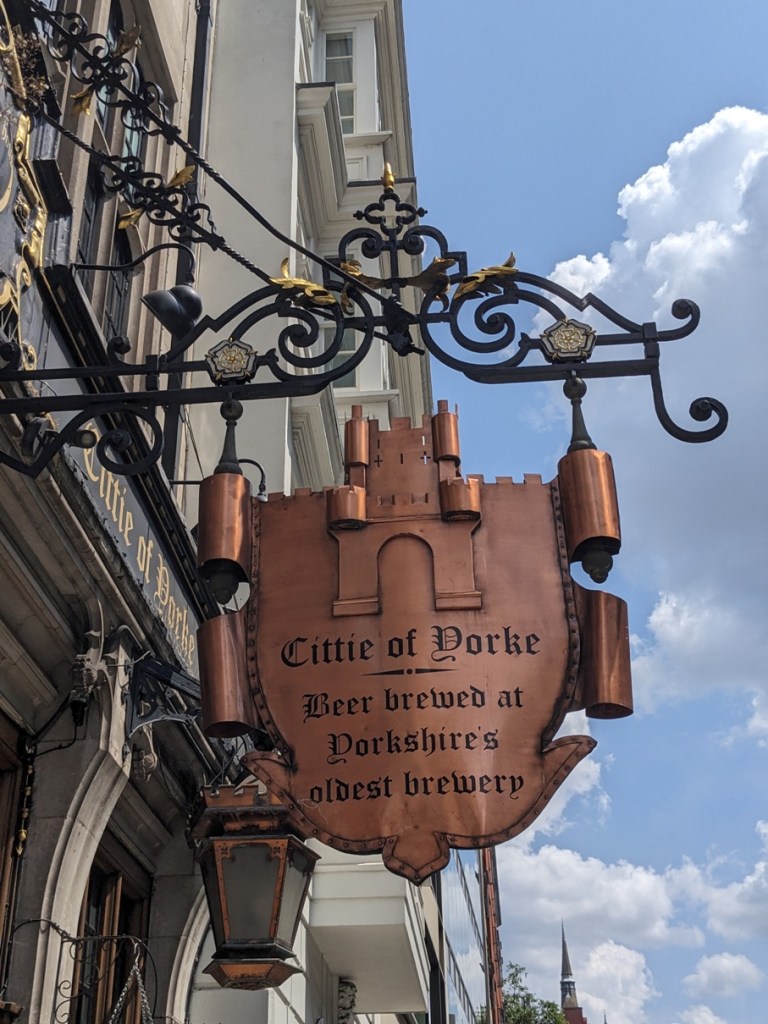

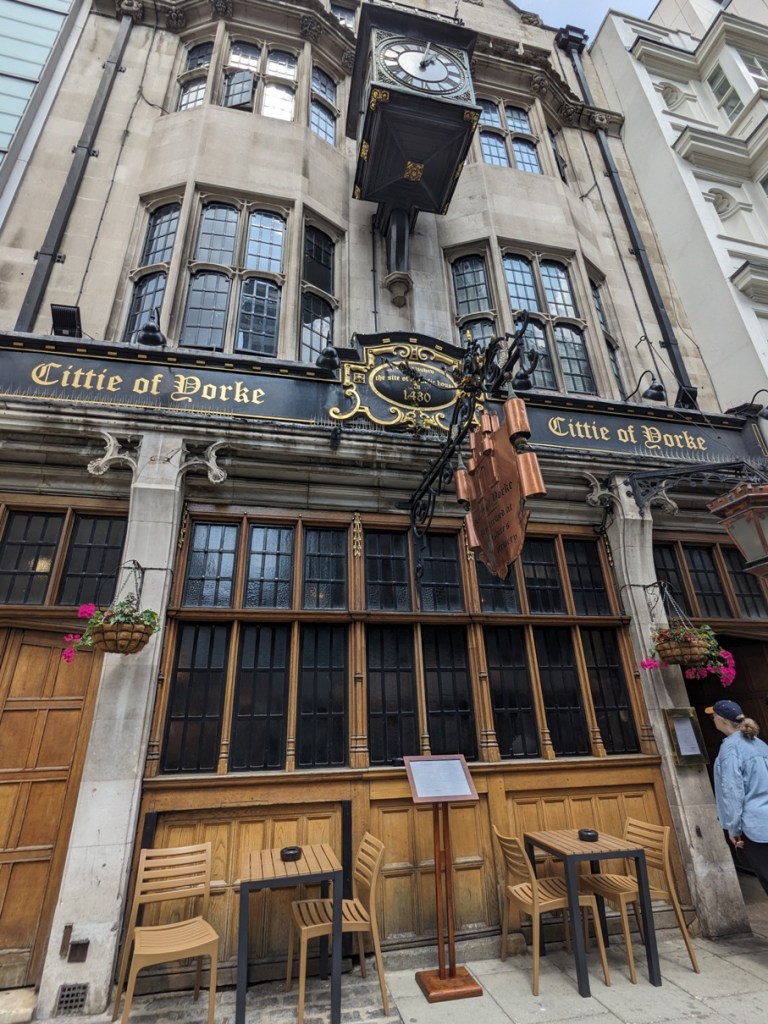
Walking into the Cittie of Yorke is like entering a medieval great hall.
It is dark inside, the bar is long, and lined up above it are great vats of different shapes and sizes, said to have held spirits and fortified wines up until WWII.
Opposite the bar, and running the entire length of this high-pitched, wood-beam ceilinged room is a succession of intimate drinking booths, and at the end, a triangular stove (c1815) sits proudly centre stage, its flue plunging straight into the floor below!
Although rebuilt in the 1920’s its grade II listed tudor facade and interior have been thoughtfully retained and nurtured by the current custodians.
It is so atmospheric in here, it gives you chills.
It is a truly remarkable pub!
Get there: Take the Tube to either Holborn or Chancery Lane stations. then it’s just a short walk to the pub
2. Sky Pod Bar/Sky Garden
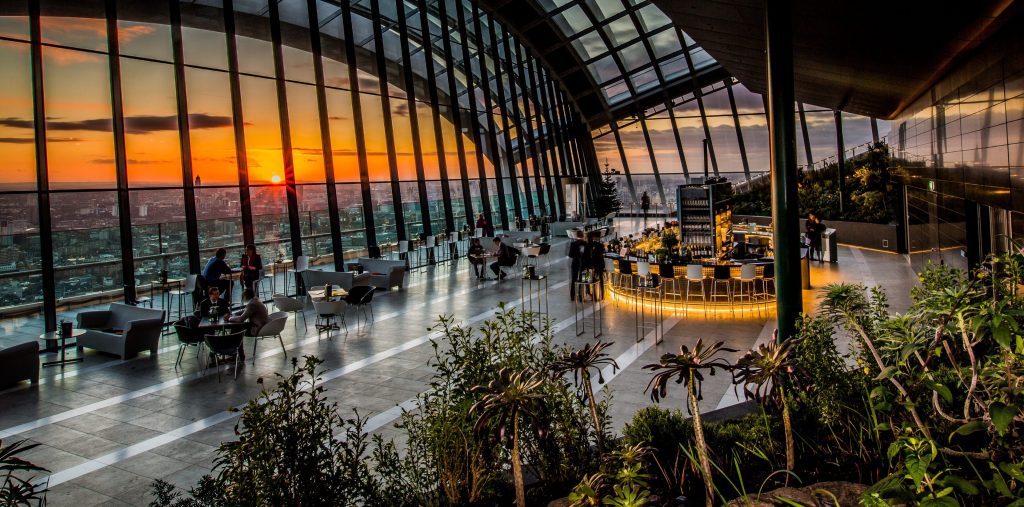
Visit Sky Garden’s viewing gallery on the 43rd floor of the ‘Walkie Talkie‘ building for panoramic views over London. With floor-to-ceiling glass windows, this leafy indoor garden provides magical views of the iconic London skyline, especially at sunset. Stroll through the lush landscaped gardens before making your way to the observation decks and open-air terrace.
If you fancy a drink or a bite to eat, try one of Sky Garden’s restaurants and bars for modern British fare and swanky cocktails:
Darwin Brasserie All-day dining spot Darwin Brasserie serves up classic British dishes with a relaxed atmosphere, on level 36 overlooking the Thames. This lively location is all about the best of British, whether you’re visiting for breakfast, brunch or dinner. (Please note, this is a cashless restaurant.)
Fenchurch Restaurant One level up, fine-dining eatery Fenchurch Restaurant specialises in modern fusion cuisine using seasonal ingredients. Head Chef, Kerth Gumbs, combines the very best of British ingredients with Caribbean flavours influenced by his Anguillan roots. Pair each carefully curated dish with a beverage from the award-winning wine list and cocktails. (Fenchurch restaurant is also a cashless establishment.)
Larch Restaurant and Café are located on the ground floor opposite the entrance to the Sky Garden. Although missing the views of the upper level, it provides authentic Italian dishes with a great selection of cocktails.
Sky Garden Bars
If you’d rather just have a drink, there are three bars to enjoy. Sky Pod Bar hosts DJ nights and live music, City Garden Bar has a great choice of cocktails, while Fenchurch Terrace is a relaxed spot for drinks and nibbles.
The Sky Garden is free to enter but it is advisable to reserve a time slot via the website. Sunrise yoga, live music sessions and other activities are also available to book. Check the venue’s website for full details: upcoming events.
Get there: Take the Tube to Bank station + walk 6 mins – Sky Garden is located on the 43rd floor of the Walkie Talkie, 20 Fenchurch Street, in the City of London. The exact address is 1 Sky Garden Walk, London EC3M 8AF.
3. Petrie Museum of Egyptian Archaeology
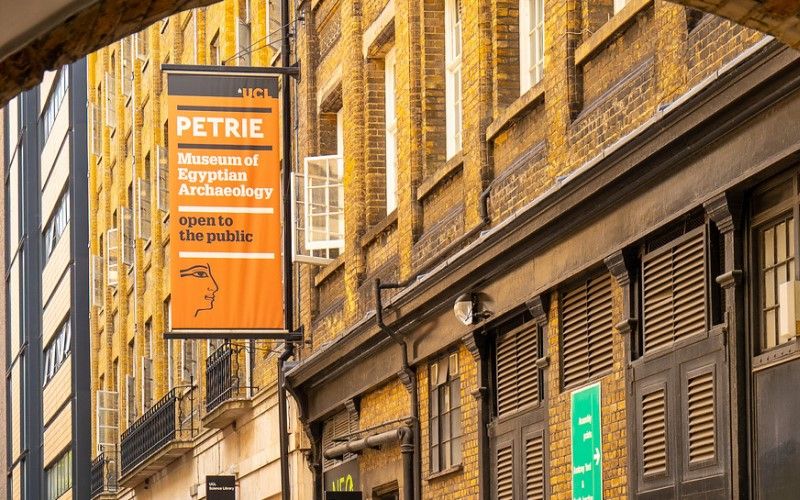
The Petrie Museum of Egyptian Archaeology is a lesser-known treasure chest of Egyptian and Sudanese artefacts owned by University College London.
Discover a huge collection of ceramics, mummies, coffins, papyrus and stonework, which transport you back to Ancient Egypt and Sudan.
Highlights include a dress from 5000BC and other items of clothing, footwear and jewellery, which give an intimate sense of how real people lived thousands of years ago.
The museum also has an extensive archive that anyone is welcome to delve into – but you will need to book in advance to do so.
This is one of London’s smaller museums but with so many detailed and rare artefacts on display, you’ll want to give yourself at least two hours to appreciate it all. The Petrie Museum of Egyptian Archaeology is on the main campus of University College London in Bloomsbury, central London. The museum is free to visit and you don’t need to book in advance.
Get There: The closest Tube stations are Goodge Street (Northern line) and Euston Square (Metropolitan, Circle, Hammersmith & City lines), which are a six-minute walk away. Warren Street (Northern and Victoria lines) and Russell Square (Piccadilly line) are a nine-minute walk away.
4. Sir John Soane’s Museum
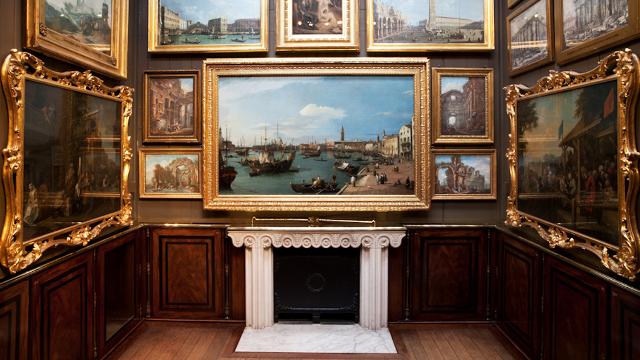
The former residence of Sir John Soane, architect of the Bank of England. Over 20,000 architectural drawings, antiquities and works by Turner, Canaletto and Piranesi as well as two sets of paintings by William Hogarth and the Egyptian Sarcophagus of Seti I can be found here. Wander at your own pace or take one of the many tours available:
Highlights Tour The classic tour of the Museum, the Highlights Tour will transport you back to Regency London, taking you through Sir John Soane’s extraordinary home, left as it was at the time of his death in 1837. This tour visits the Museum’s main highlights and ventures into the Private Apartments.
Private Apartments tour Free tours of the Private Apartments are provided on the second floor, on Wednesdays, Fridays and Sundays. These were once the most intimate family spaces for Sir John and his wife Eliza, which have been lovingly restored to how they appeared when this unique Museum was a family home.
Drawing Office tour Free tours are available on Thursdays and Saturdays at 2.30pm of Sir John Soane’s Drawing Office, the oldest surviving example of its kind, which opened to the public for the first time in its 200-year history in May 2023.
NB: Free tours are not bookable in advance, and have a maximum group size of six, so operate on a first-come first-served basis.
Get there: By tube – Holborn (for Central and Piccadilly lines) is a short five minute walk away, while Temple (for the Circle and District lines) is 15 minutes away. The museum is located at 13 Lincoln’s Inn Fields, London WC2A 3BP.
5. Charles Dickens Museum
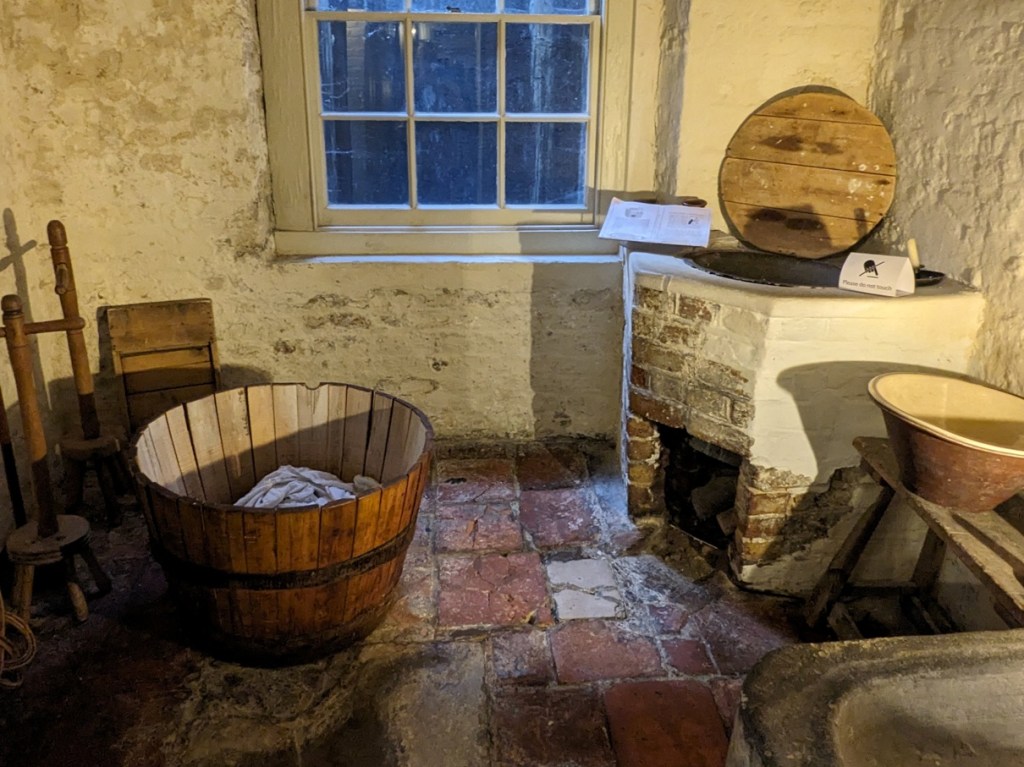
The Charles Dickens Museum hosts the world’s biggest collection relating to Dickens, including letters, pictures, first editions, furniture, memorabilia and lovingly restored rooms.
The famous novelist lived here from 1837 to 1839, and it was in this Georgian terrace house at 48 Doughty Street, Kings Cross that he wrote his masterpiece Oliver Twist, achieving international recognition as one of Britain’s best storytellers. Immerse yourself in the unique atmosphere of Dicken’s family home and don’t miss the regular temporary exhibitions.
Because the museum itself is set within Dicken’s home, the furniture, clothes, the rooms with their household items and informative exhibits give a great insight into life at the time in Georgian England.
Get there: The nearest tube station is Russell Square, which is a 5-minute walk. You can also reach it via Tottenham Court Road (5-minute walk), Holborn (7-minute walk), or Goodge Street (8-minute walk)
6. Lightroom
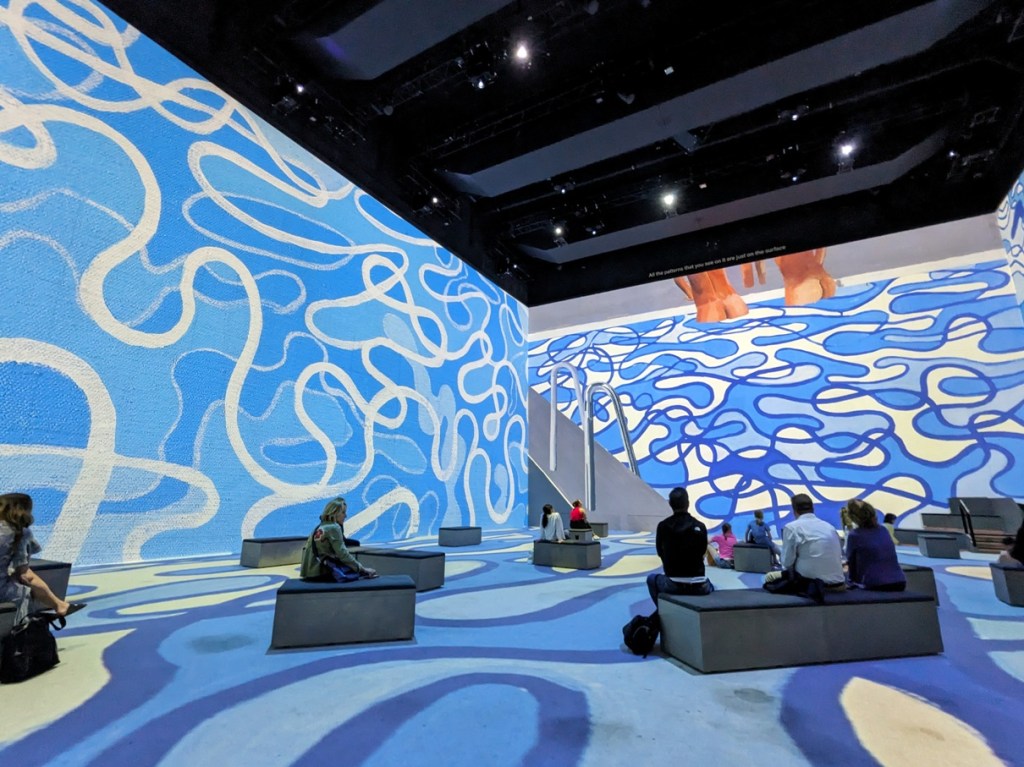
The home of artist-led story telling. Working hand-in-hand with the greatest artistic talents across art, music, film, fashion, science and more, Lightroom has reimagined what an immersive experience can look like. Be transported into the world’s leading creative minds and enjoy a visual spectacle of revolutionary technology and high-tech audio.
This flagship venue in London is just a 10 minute walk from Kings Cross Station, right next to the vibrant Coal Drops Yard, so you can enjoy world-class shows with a huge array of bars and restaurants at your fingertips.
Lightroom has painted the world with the show by David Hockney in David Hockney: Bigger & Closer, flown to space with Tom Hanks in The Moonwalkers: A Journey with Tom Hanks and strutted the runway with Vogue in Vogue: Inventing the Runway at Lightroom. You could also be transported back 66 million years into a dinosaur’s world for Prehistoric Planet: Discovering Dinosaurs.
Get there: Lightroom is on Lewis Cubitt Square, an eight-minute walk from King’s Cross station. You can get the Underground from this station (Northern, Piccadilly, Victoria, Circle, Hammersmith & City and Metropolitan lines) or several bus routes stop nearby (17, 390, 63, 91, 259).
7. The London Silver Vaults
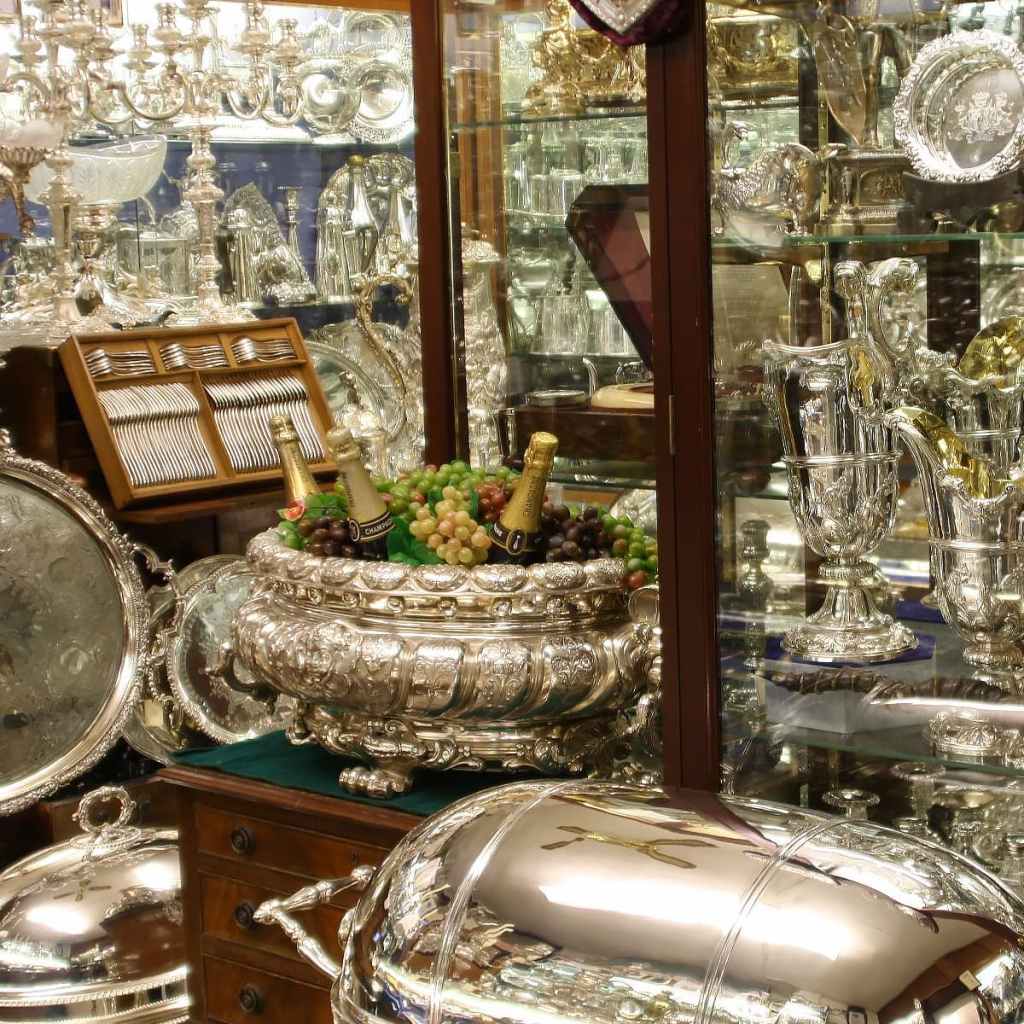
A unique, underground shopping destination in the heart of London, the London Silver Vaults offers the largest selection of silver in the world.
It was originally the Chancery Lane Safe Deposit Company, and in 1882 it was the country’s second non-bank private safe depository, used by London’s wealthy and aristocracy to safeguard their household silverware, jewellery, personal documents and valuables whenever they left London for their country homes.
Back then the corridor resembled a row of prison cells; the near-four-foot-thick walls were lined with steel, and the vaults were secured with iron doors and guards sporting truncheons and rifles.
At night, the jewellers, goldsmiths and precious stone dealers in nearby Hatton Garden used the vaults to stow their valuable pieces and collect them in the morning, ready for daily trading.
In the 1930s, London’s silver dealers began to use the large vault rooms to store their stock, and by 1941, dealers were trading as shops from the vaults. Eventually, The London Silver Vaults metamorphosed into comfortable and welcoming retail spaces, behind the legendary three-feet-thick steel vault door that remains in operation today.
Nowdays you can simply walk down the stairs and explore these subterranean silver shops and shop for intricate tableware, silver ornaments, jewellery, pocket watches, candlesticks and more at your leisure.
Discover: The London Silver Vault Shops
Get there: The London Silver Vaults are on Chancery Lane. Take the Central Line to Chancery Lane Station and walk 4 minutes. Other nearby stations are Holborn (7 minute walk) and Farringdon (12-14 minute walk). The entrance is on Southhampton Buildings, which is an alleyway off Chancery Lane.
8. House of Twinings
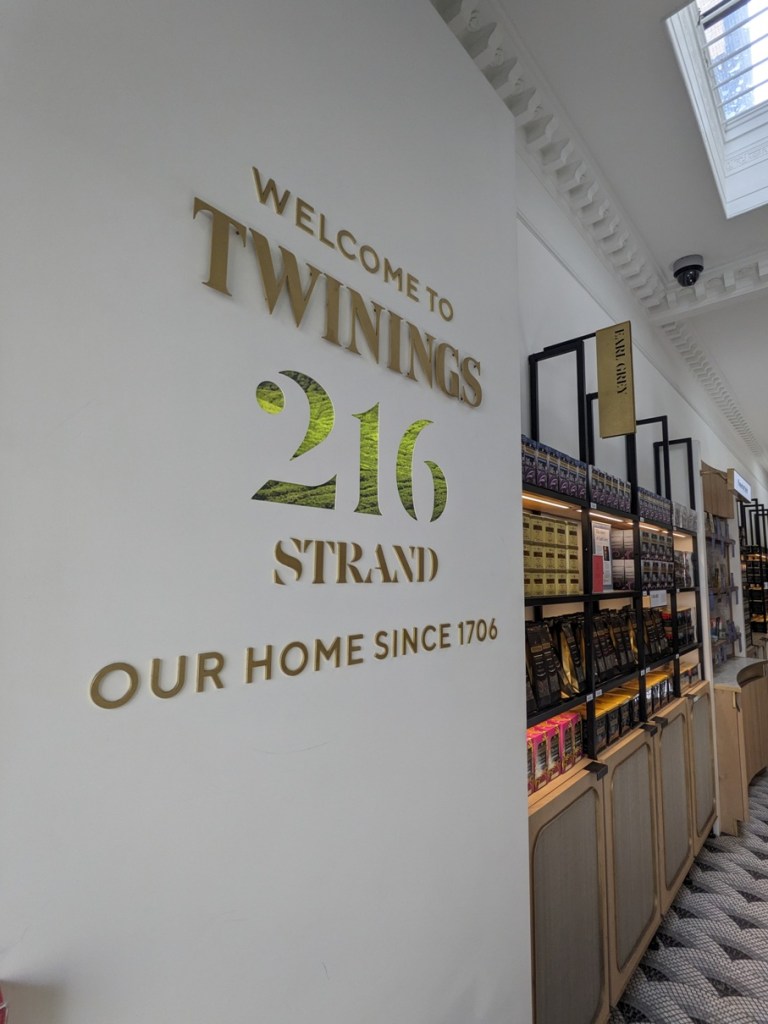
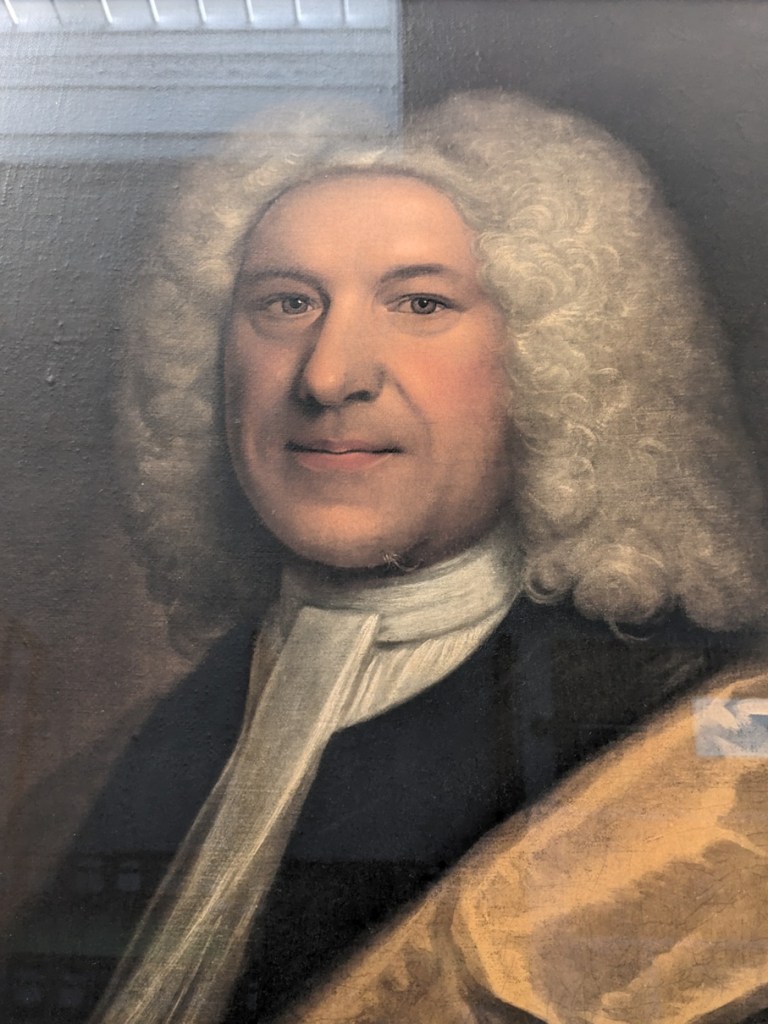
In 1706 Thomas Twining purchased Tom’s Coffee House, a business in a prime location. To compete with the 2000-plus other London coffee houses he decided to introduce fine quality tea instead, despite the ridiculously high tax on tea at the time. It fast became a fashionable drink amongst the upper-class ladies of London, so having also acquired the three neighbouring properties, he opened the world’s first dry tea and coffee shop, which still exists today in the same building – the famous Twinings Shop at number 216 Strand.
Today Twinings not only sells hundreds of different types of tea and everything you need to enjoy a refreshing cup. it also offers a 2-hour tea experience and masterclass where you’ll uncover the secrets of the world’s favourite drink .
Read more: The History of Tea and Twinings
Get there: Take the District or Circle line to Temple station, and walk 2-minutes. Alternatively, you can walk from Charing Cross station, or take a bus or taxi to Twinings at 216 Strand, opposite the Royal Courts of Justice.
9. The Old Curiosity Shop
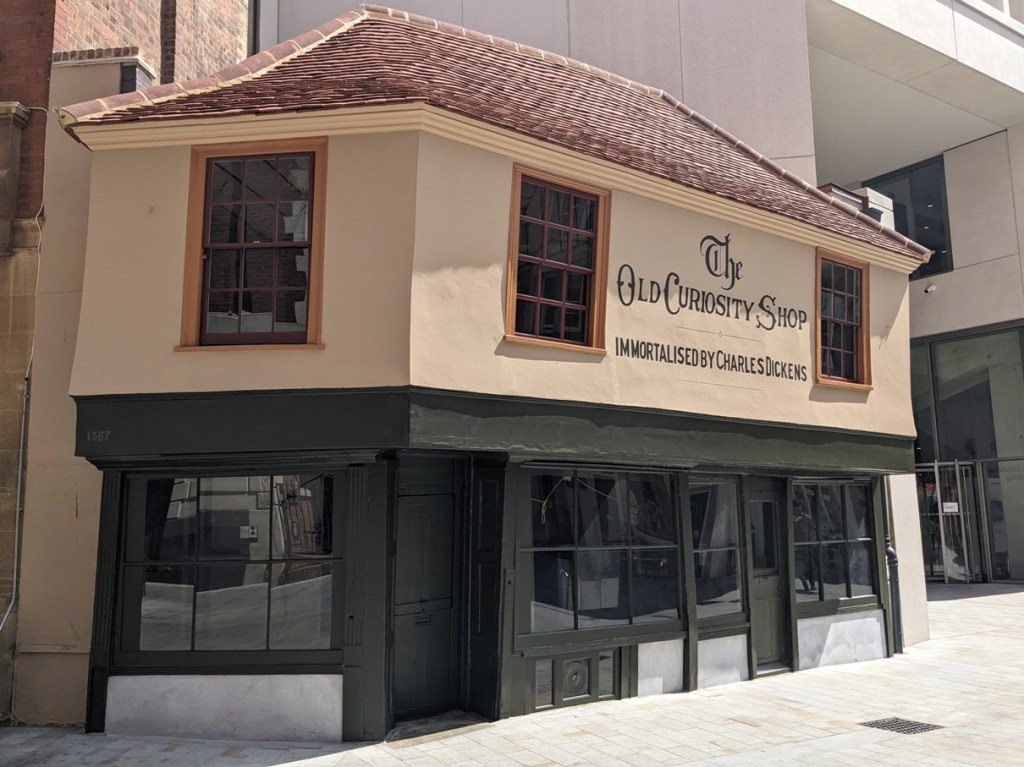
The Old Curiosity Shop isn’t open but it’s fun to see. Dating from the 16th century, its sloping roof, overhanging second floor, and uneven Tudor gabling mark it as one of London’s oldest shops, visited by Dickens on a number of occasions, and said to be the inspiration for his 1841 novel, The Old Curiosity Shop.
In the 1870s the tenant of the shop at the time, Barnabus Tesseyman who ran it as a bookshop with his wife Catherine, decided to change the name of his shop to ‘The Old Curiosity Shop’ in the hope it would drum up more business. Before this, no connection had ever been made between the shop and the book.
The notion stuck, and when the building was announced to be in structural danger and was to be demolished during the Christmas of 1883, it was flooded with sightseers hoping to see the building where Little Nell supposedly once lived. Artists sat in the street to paint it and American tourists flocked to it.
After damage from World War II bombings it was forced to have its front shored up, but remained as a shop, most recently a shoe shop, until the COVID-19 pandemic.
Today it is under the care of the LSE (London School of Economics and Political Science), which has worked to ensure that the building is structurally stable and will live on as an iconic London landmark for many more years to come.
Get there: take the London Underground to Temple station, which is the closest stop, and walk about 5 minutes. The address of the shop is 13-14 Portsmouth Street, London.
Read: The Old Curiosity Shop by Charles Dickens
Further Reading:


 Pixsell Travels
Leave a comment