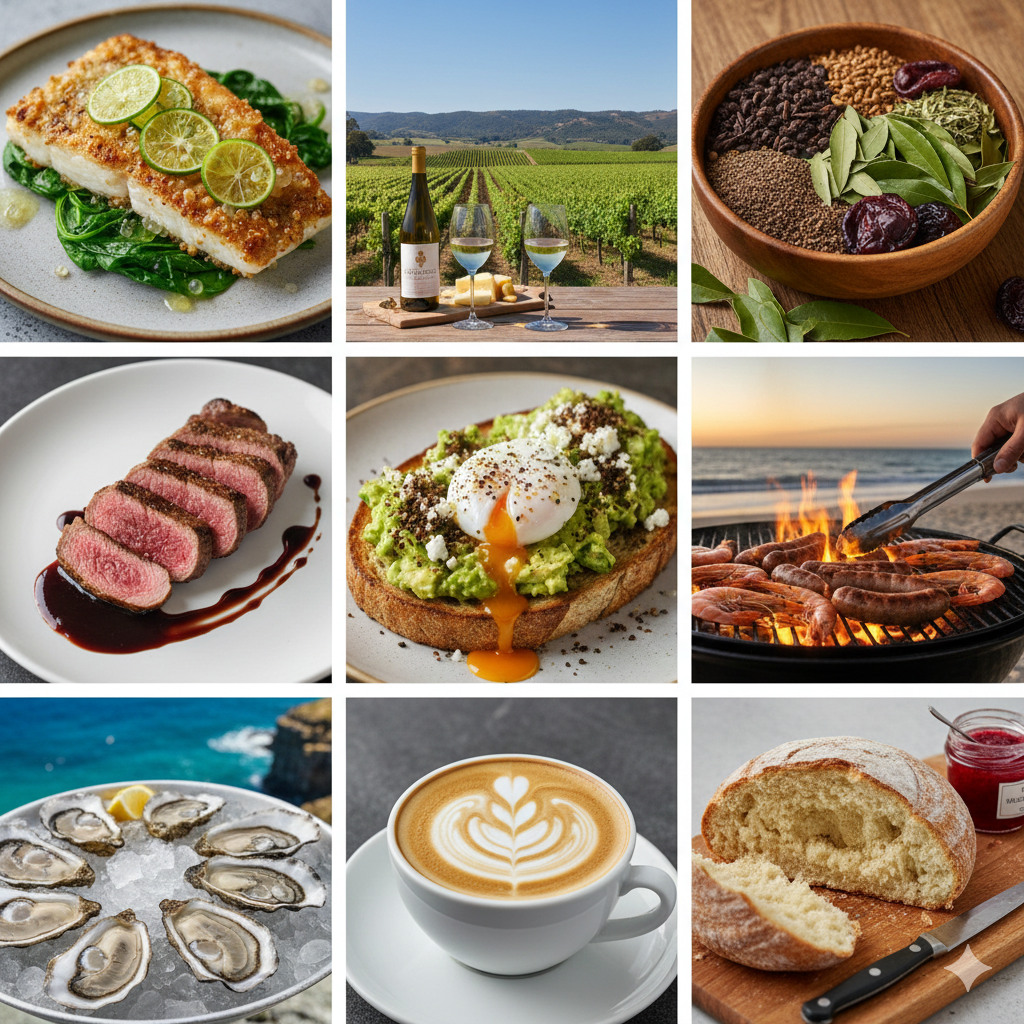
To understand Australian food is to understand the spirit of Australia itself – a blend of deep ancient roots, a colonial past, and a restless, modern curiosity. It is a cuisine defined not by rigid rules, but by quality, freshness, and a fearless willingness to experiment.
Nowdays, Australia’s food scene is incredibly diverse, ranging from world-class metropolitan dining to rustic farm-to-table experiences in its lush wine regions. Lets take a look at the influences that have shaped this unique Australian cuisine.
60,000 Years in the Making
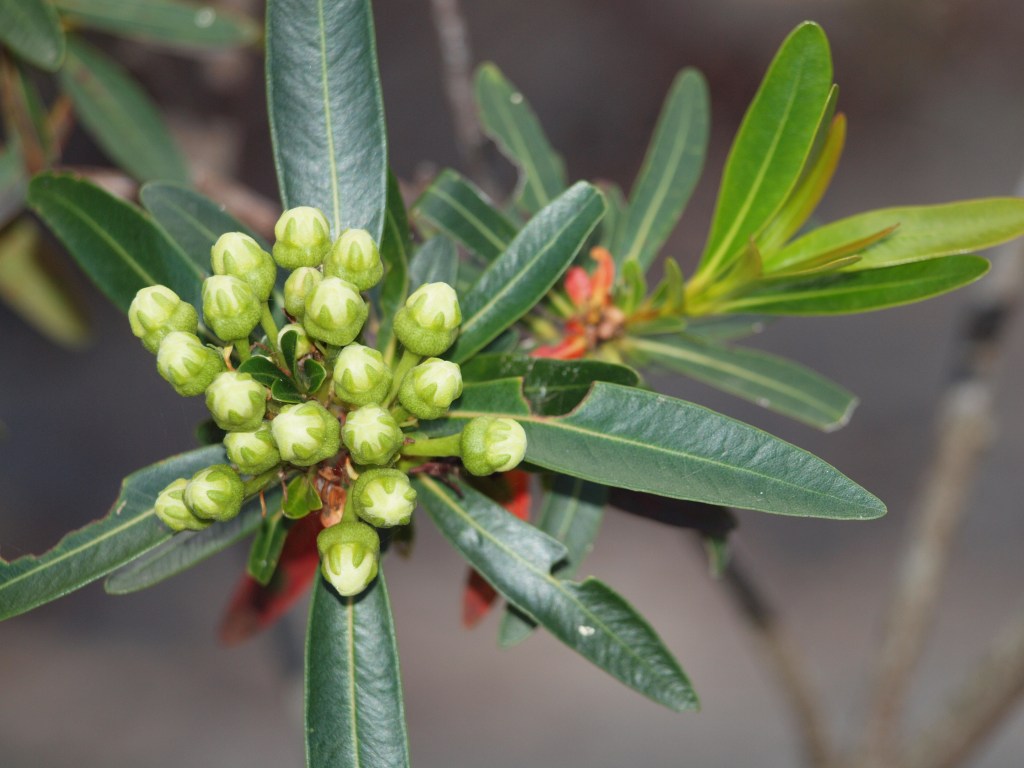

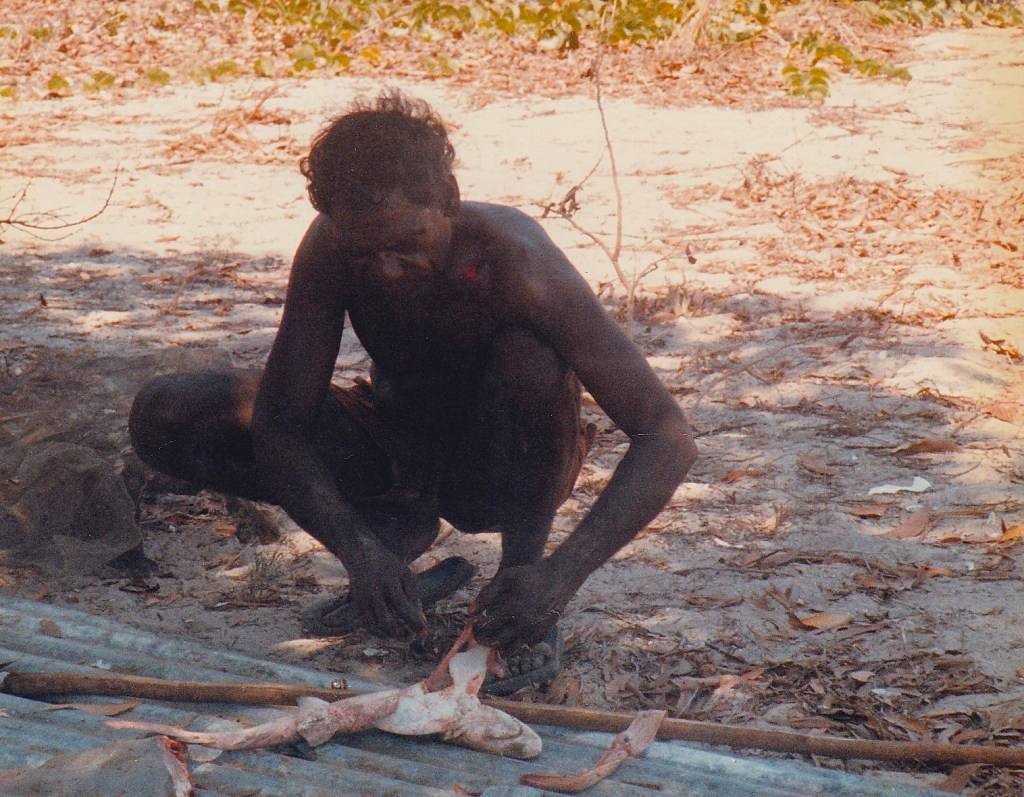
The story of Australian food begins with the world’s oldest living culture. For millennia, Aboriginal and Torres Strait Islander peoples have thrived on “Bush Tucker”—a bounty of nutrient-dense ingredients provided by the land and sea.
- The Flavors: Think of the zesty pop of a finger lime (the “citrus caviar”), the nutty crunch of a bunya nut, or the earthy, herbal fragrance of lemon myrtle and wattleseed.
- The Traditions: From barramundi wrapped in paperbark and cooked over coals to the lean, high-protein kangaroo, these ingredients are now finding a prestigious new home in the country’s finest restaurants.
From “Meat and Three Veg” to Global Fusion
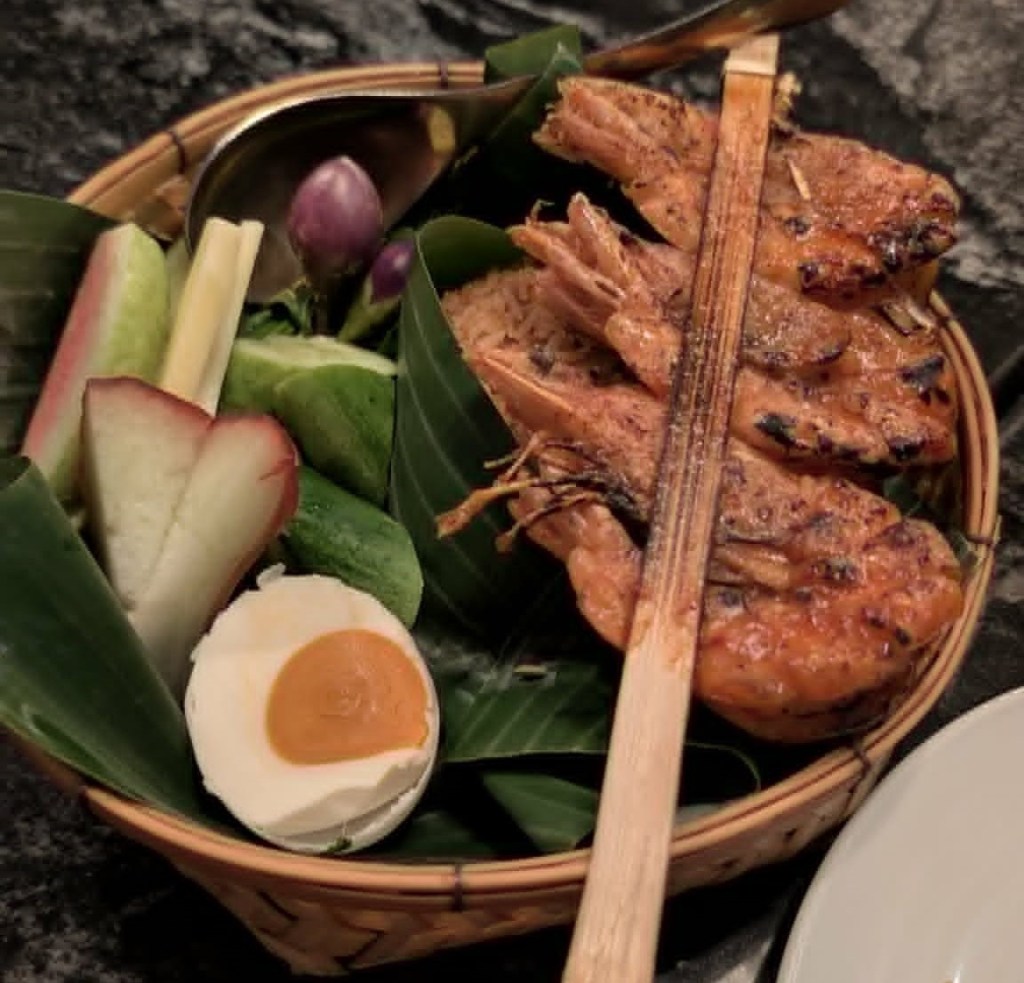

For a long time, the Australian plate was dominated by British colonial staples: the Sunday roast, meat pies, and damper bread cooked in the ashes of a campfire. However, the post-war era ignited a culinary revolution.
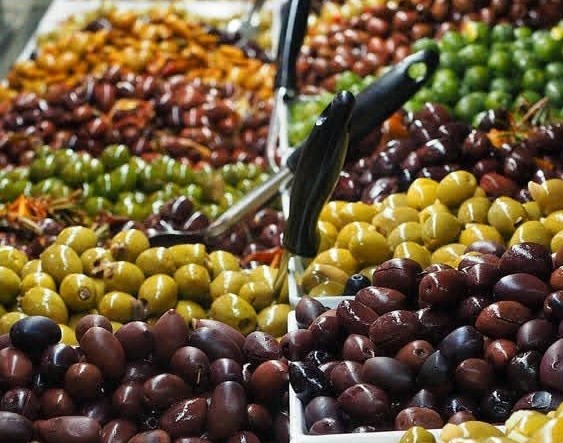
- The Mediterranean Influence: Greek and Italian migrants brought olive oil, garlic, and espresso, transforming a tea-drinking nation into one of the world’s most sophisticated coffee cultures.
- The Asian Connection: Proximity to Southeast Asia has woven the bold flavors of Vietnam, Thailand, and China into the very fabric of the Aussie diet. It’s why you’ll often find a Laksa or a Stir-fry as a weekly staple in most homes.
What We Eat Today: “Modern Australian”

If you walk into a café in Sydney, Melbourne, or Perth today, you’ll encounter “Mod Oz”—a style that defies categorization.
It is characterized by:
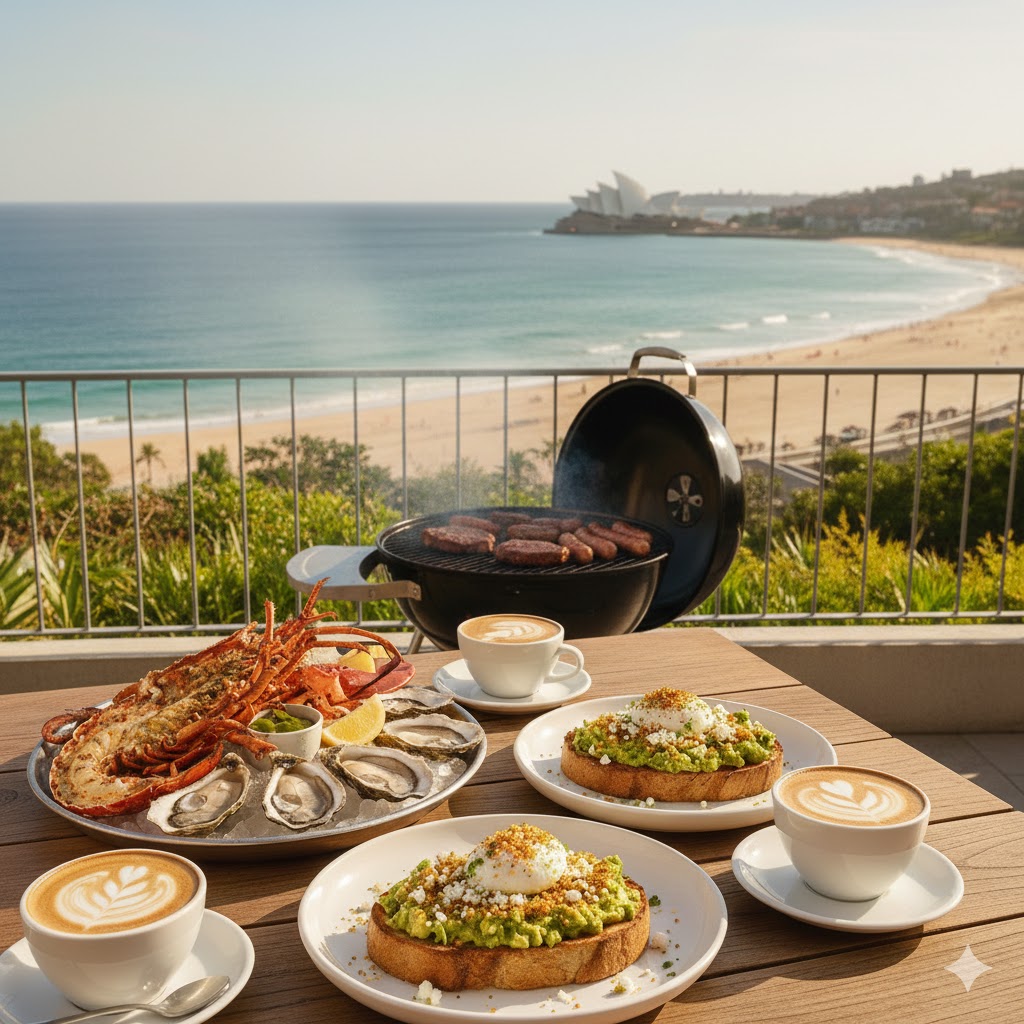
- The Brunch Obsession: Australia arguably perfected the modern brunch. The world-famous “Smashed Avo” on sourdough with feta and dukkah is a testament to our love for fresh, vibrant start-of-the-day meals.
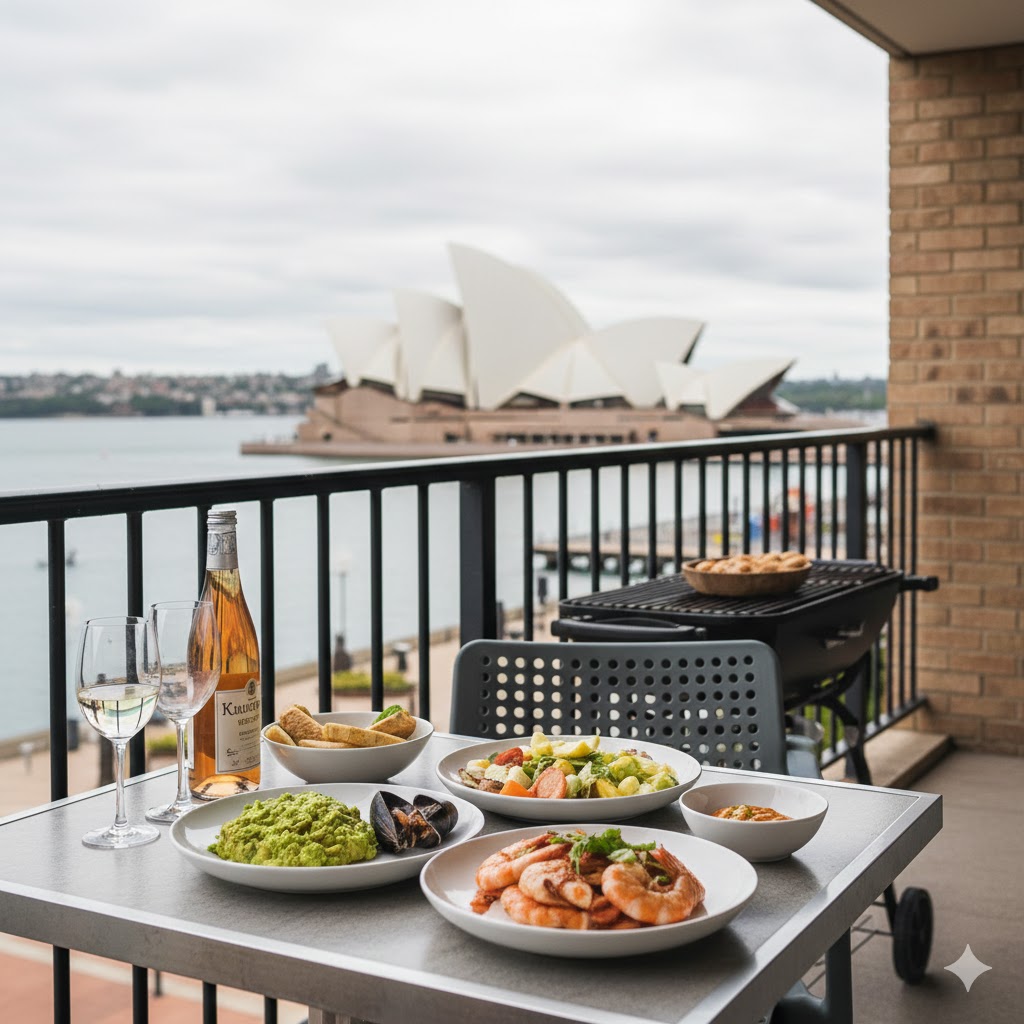
- Seafood Excellence: With 80% of the population living near the coast, seafood is king. From Coffin Bay oysters to Moreton Bay bugs and world-class Western Rock Lobster, the focus is on letting the natural sweetness of the catch shine.
- Outdoor Culture: The “Barbie” isn’t just a cliché; it’s a social ritual. Whether it’s a “snag” (sausage) in white bread at a community fundraiser or premium Wagyu beef grilled on a balcony, the smoky flavor of outdoor cooking is the true scent of an Australian summer.
The Verdict
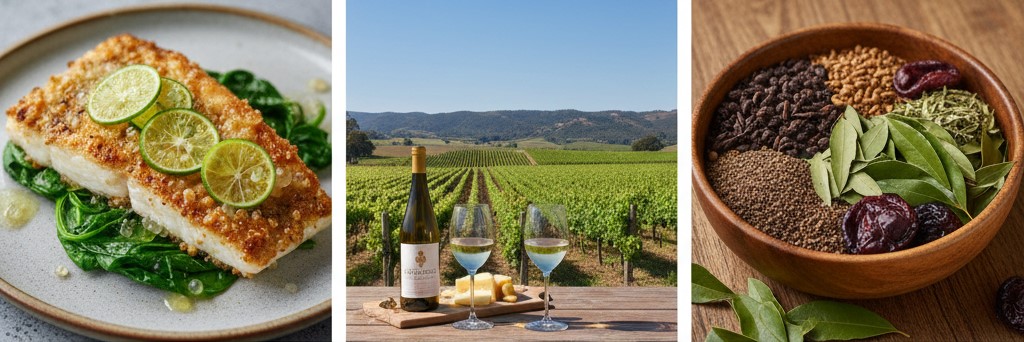
Australian cuisine is a “cultural mosaic.” It’s a kitchen where there are no borders — where a chef might use French techniques to cook local snapper, seasoned with Japanese miso and garnished with Australian desert limes. It is fresh, it is bold, and it is served with a side of sunshine.
The Tastes
The following selection of recipes lean into the sensory experience of eating Australian – the textures, the aromas, and that “sun-drenched” vibe which bridges the gap between ancient native flavors and modern global fusion. Click on the links for full recipes, chef’s tips and perfect wine pairing suggestions.
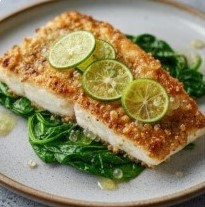
1. Lemon Myrtle & Macadamia Crusted Barramundi
The ultimate “Bush-meets-Coast” dish.
This recipe celebrates two of Australia’s most famous native exports. The Barramundi — a name derived from an Aboriginal word meaning “large-scaled silver fish” — is celebrated for its buttery, white flakes. We’ve given it a crunchy “Gold Coast” makeover using crushed Queensland macadamias and Lemon Myrtle, a botanical often described as “more lemony than lemon.”
The Vibe: A light, elegant dinner that smells like a walk through a rainforest after the rain.
2. “The Big Aussie Brunch”: Smashed Avo with Wattleseed Dukkah
The global icon with a native twist.
We’ve taken the world-famous Australian brunch staple and elevated it with Wattleseed, a staple of First Nations diets for millennia. When roasted, these seeds provide a spectacular nutty, coffee, and chocolate-like aroma. We blend them into a Middle Eastern-style Dukkah to sprinkle over creamy avocado and salty Persian-style feta on thick-cut sourdough.
The Vibe: A lazy Saturday morning in a Melbourne laneway cafe

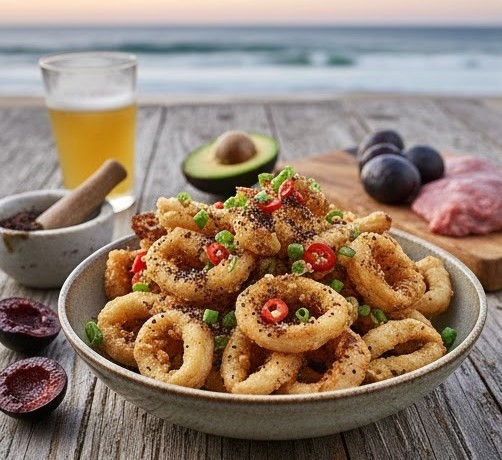
3. Salt and Pepper Squid with Mountain Pepperberry
A Cantonese-Australian pub classic.
Found on almost every bistro menu from Darwin to Hobart, “Salt and Pepper Squid” is a nod to our deep Chinese-Australian heritage. This version uses Tasmanian Mountain Pepperberry, which offers a sophisticated, spicy “glow” that builds more slowly than traditional black pepper, paired with a zesty lime and ginger dipping sauce.
The Vibe: Beachside dining with a cold beer in hand.
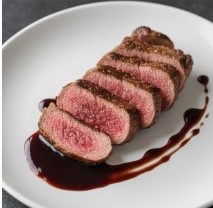
4. Seared Kangaroo with Davidson Plum Balsamic
Bold, lean, and distinctly Australian.
Kangaroo is the ultimate sustainable red meat—incredibly lean and rich in iron. To balance its gamey depth, we use the Davidson Plum, a rainforest fruit known for its intense tartness. By reducing the plum into a thick balsamic glaze, you get a beautiful “sweet and sour” profile that cuts through the richness of the meat.
The Vibe: High-end “Mod Oz” fine dining under a canopy of stars.
Ingredient Spotlight :
| Ingredient | Flavor Profile | Culinary Uses | Health Benefits |
| Lemon Myrtle | Intense citrus with notes of lemongrass and menthol. | Used in tea, seafood marinades, and shortbread. | High in Vitamin E and powerful antimicrobial properties. |
| Macadamia | Rich, buttery, and creamy with a subtle crunch. | Essential for dukkah crusted barramundi, or eaten roasted. | High in healthy monounsaturated fats and antioxidants. |
| Wattleseed | Toasted coffee, chocolate, and hazelnut aromas. | Ground for use in dampers, cheesecakes, and “Aussie” espresso. | A low-GI superfood, rich in protein, fibre, and iron. |
| Tasmanian Pepperberry | Fruity start with a slow, fiery, “numbing” heat. | Replaces black pepper in spice rubs, gin, and pasta sauces. | Contains 4x the antioxidants of blueberries. |
| Davidson Plum | Very tart and astringent with an earthy, fruity aroma. | Perfect for jams, sauces for game meat, and vibrant desserts. | A source of Vitamin E, zinc, and calcium. |
🛒 Where to Buy: The Native Pantry Guide
These suppliers specialize in high-quality, dried native ingredients and offer international shipping.
1. Indigiearth (Aboriginal Owned)
Founded by Sharon Winsor, a Weilwan woman, Indigiearth is a premium supplier of ethically sourced native foods.
- Best for: Roasted Wattleseed, Davidson Plum powder, and Lemon Myrtle infused oils.
- Shipping: Ships worldwide from New South Wales.
- Website: indigiearth.com.au
2. Herbie’s Spices
A legendary name in the Australian spice world, Herbie’s offers some of the most consistent, high-grade native herbs for the home cook.
- Best for: Ground Lemon Myrtle, Mountain Pepperberry, and their “Lemon Pepper Native Seasoning” (perfect for the Barramundi recipe).
- Shipping: Extensive experience with international orders via Australia Post.
- Website: herbies.com.au
3. NATIF (Native Australian Superfoods)
NATIF focuses on the nutritional power of native ingredients and offers beautiful “Starter Bundles” which are great for travelers.
- Best for: Desert Lime fruit, Saltbush, and freeze-dried Finger Lime (citrus caviar).
- Shipping: Offers international shipping options to most countries.
- Website: natif.com.au
4. Outback Spirit
One of the pioneers of the bush food industry, they work closely with Indigenous communities through the Outback Spirit Foundation.
- Best for: “Starter Tins” of native herbs—ideal for those who want a small amount to try first.
- Shipping: Ships domestically and internationally.
- Website: outbackspirit.com.au
💡 Quick Tip: Native dried ingredients are very potent! A little goes a long way. When ordering from overseas, dried powders (like Lemon Myrtle or Davidson Plum) are often easier to pass through international customs than whole dried fruits or seeds.
Sustainability Note: Australian cuisine is deeply tied to the land. By choosing sustainable seafood like Barramundi and ethical proteins like Kangaroo, we celebrate the ingredients that have sustained this continent for over 60,000 years.


 Pixsell Travels
Leave a comment