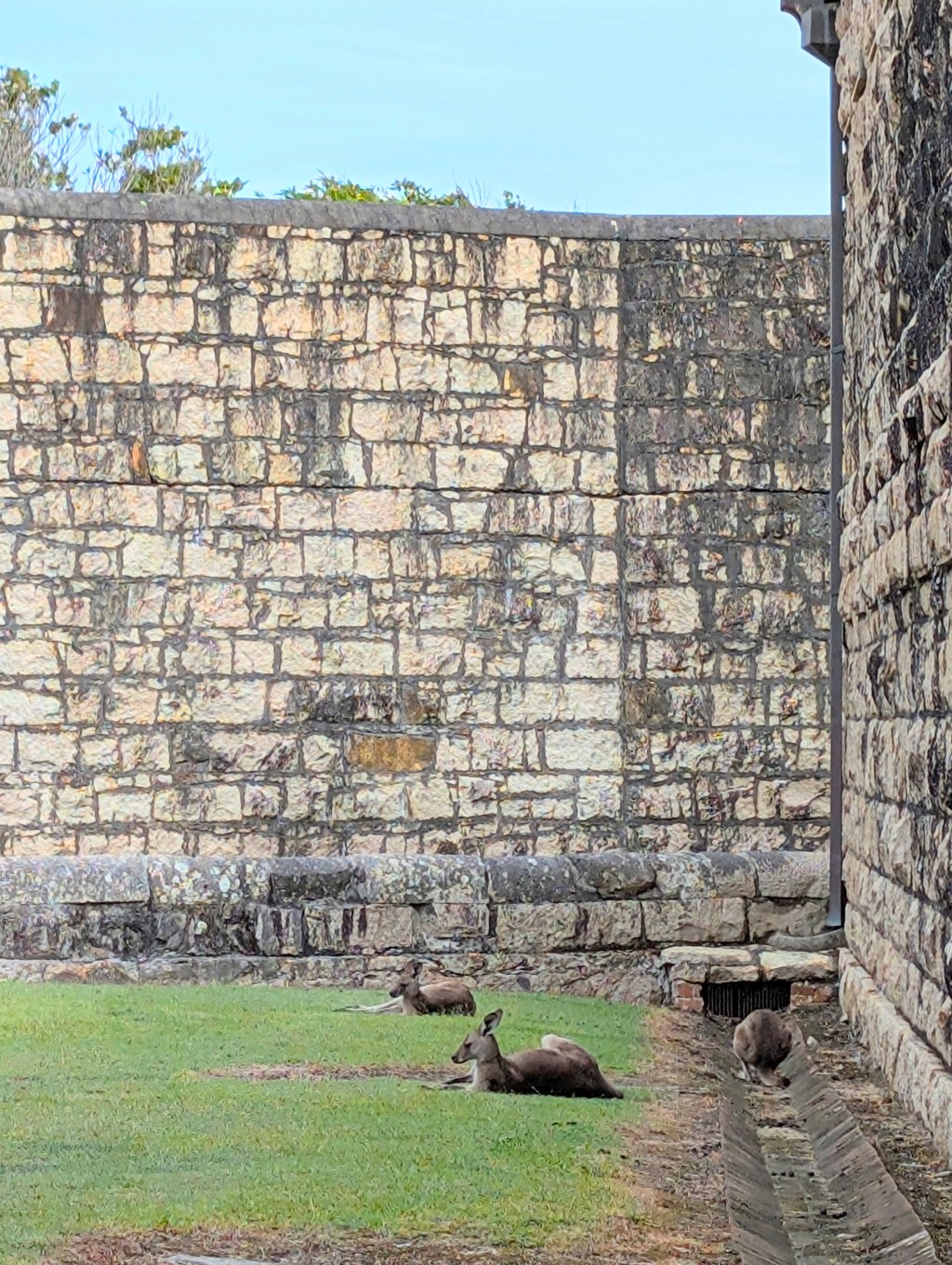
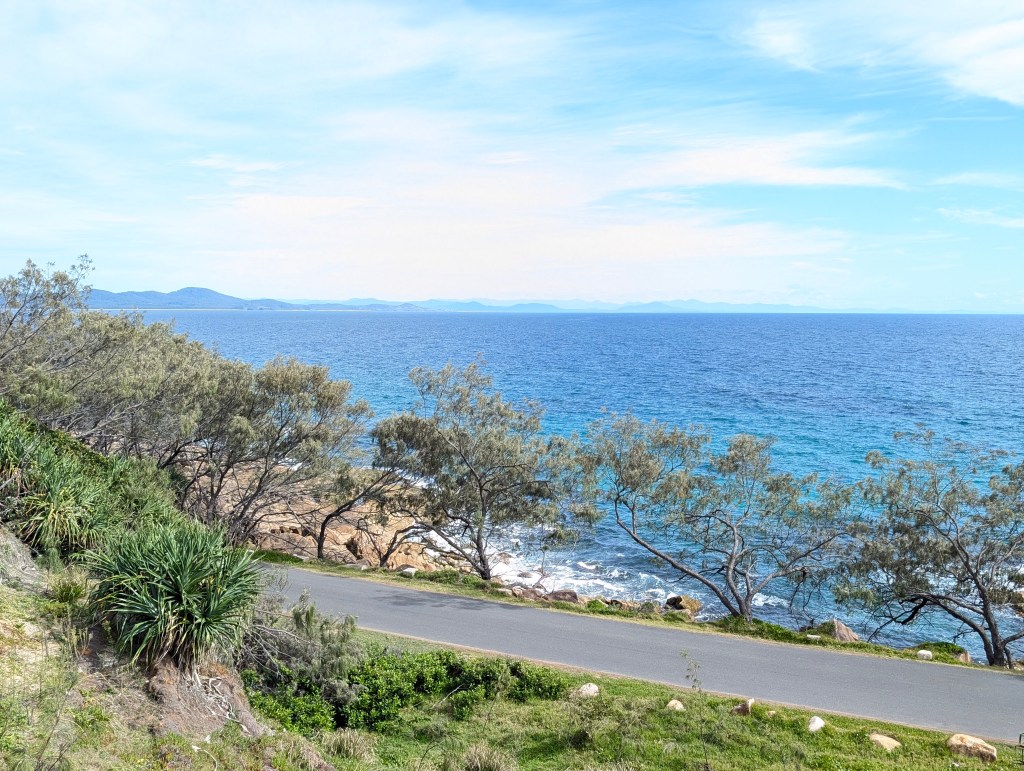
Named after a tragic shipwreck, and sitting atop a sun-drenched peninsular overlooking the sparkling Pacific Ocean, the silent and powerful ruin of Trial Bay Gaol stands as testament to a time of ingenuity, courage and survival in Australia’s colonial history.
This 19th-century heritage-listed Australian convict prison, now a museum and memorial located in Arakoon National Park on the NSW mid-north coast, has many fascinating tales to tell.
The Story
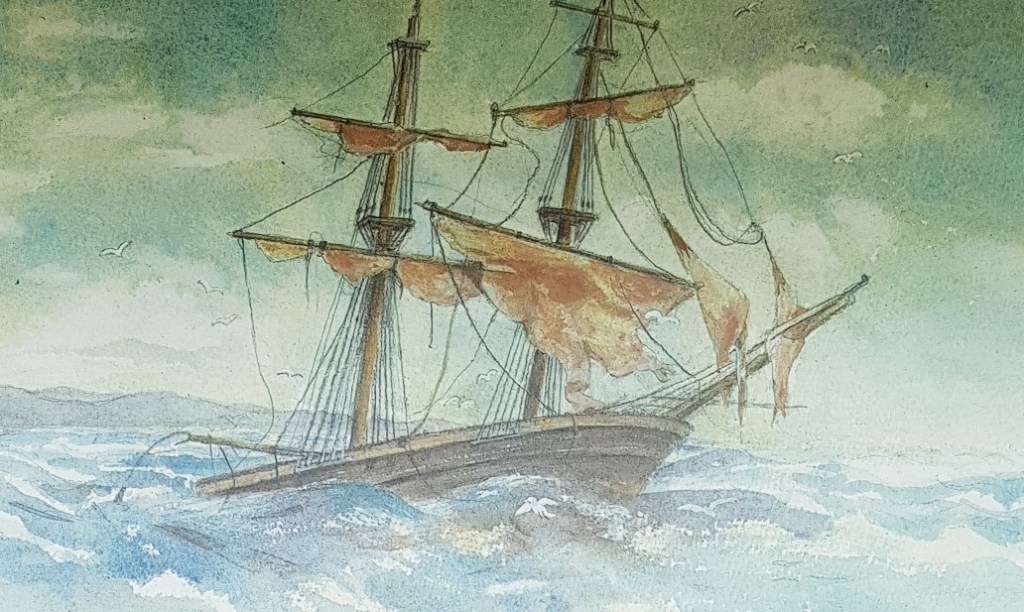
‘Trial Bay’ was named after the shipwrecked brig Trial, and the story that brought her into the spotlight:
On the evening of 12 September 1816, the Trial lay in Port Jackson awaiting favourable winds to sail south to Van Diemen’s Land. In a surprise attack and in a desperate bid for freedom, 13 runaway convicts stormed the ship and forced the crew to set sail north, but the brig hit trouble and was wrecked in a bay above Port Stephens. There was no news of the ship’s progress until Commander Joseph-Rene White of the Lady Nelson discovered the wrecked vessel on 14 January 1817. The majority of those on board perished and the bay was subsequently named “Trial Bay” in recognition of the ship and the many lives lost in the tragedy.
In good weather Trial Bay was a place of refuge halfway on the shipping route between Sydney and Brisbane, but due to its unpredictable and often fierce easterly and north-easterly winds, it was decided that a breakwater was needed to offer more protection.
In 1877 construction began on the breakwater, and to house the prisoner labour force, a gaol was also required.
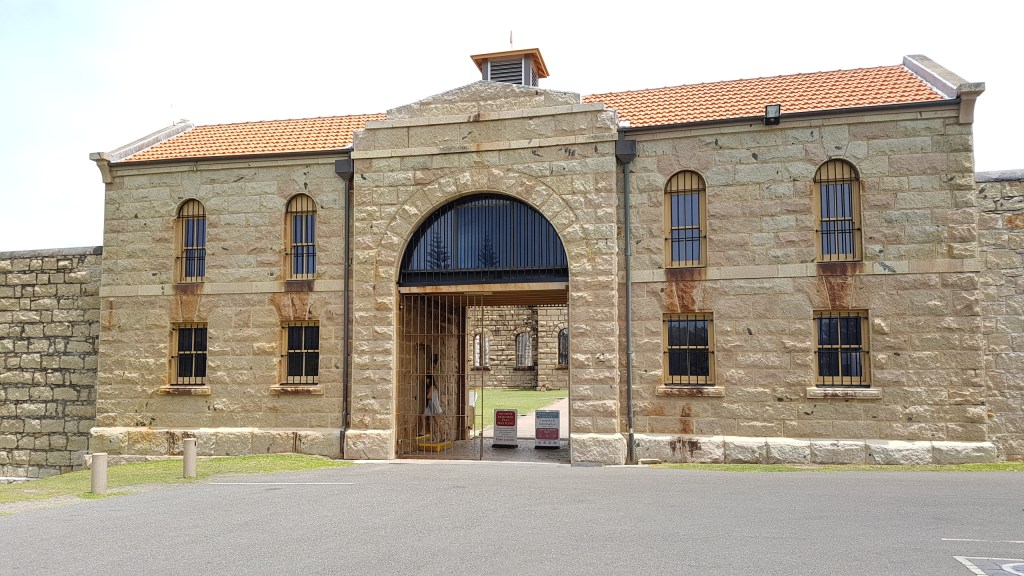
The design and construction of the gaol was supervised by Sheriff Harold Maclean, a proponent of penal reform. He advocated individual cell accommodation for the prisoners rather than cheaply constructed barracks, and was a believer in the modern British penal model in which long-term prisoners reaching the last years of their sentence, were to be employed in the construction of public works projects.
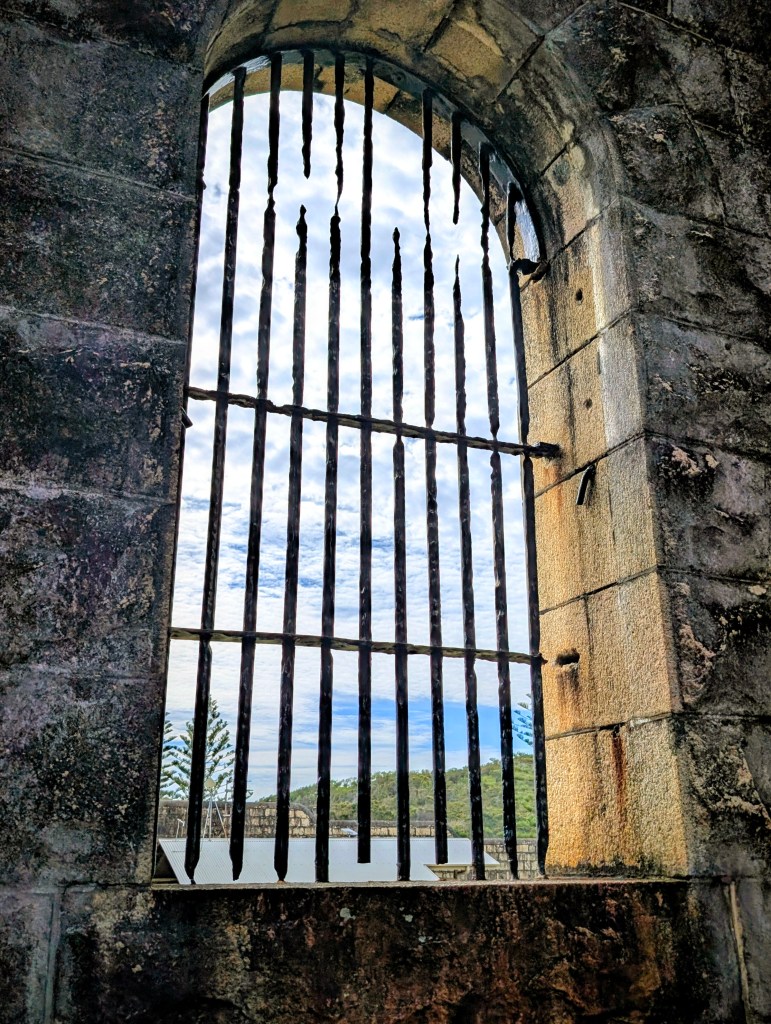
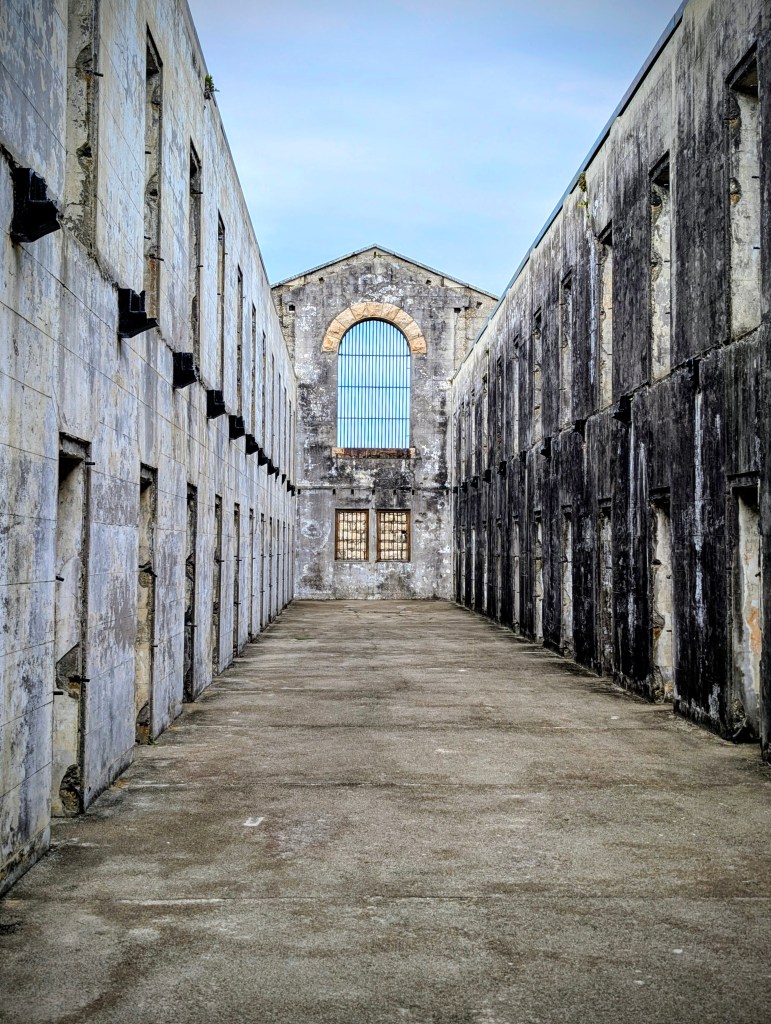
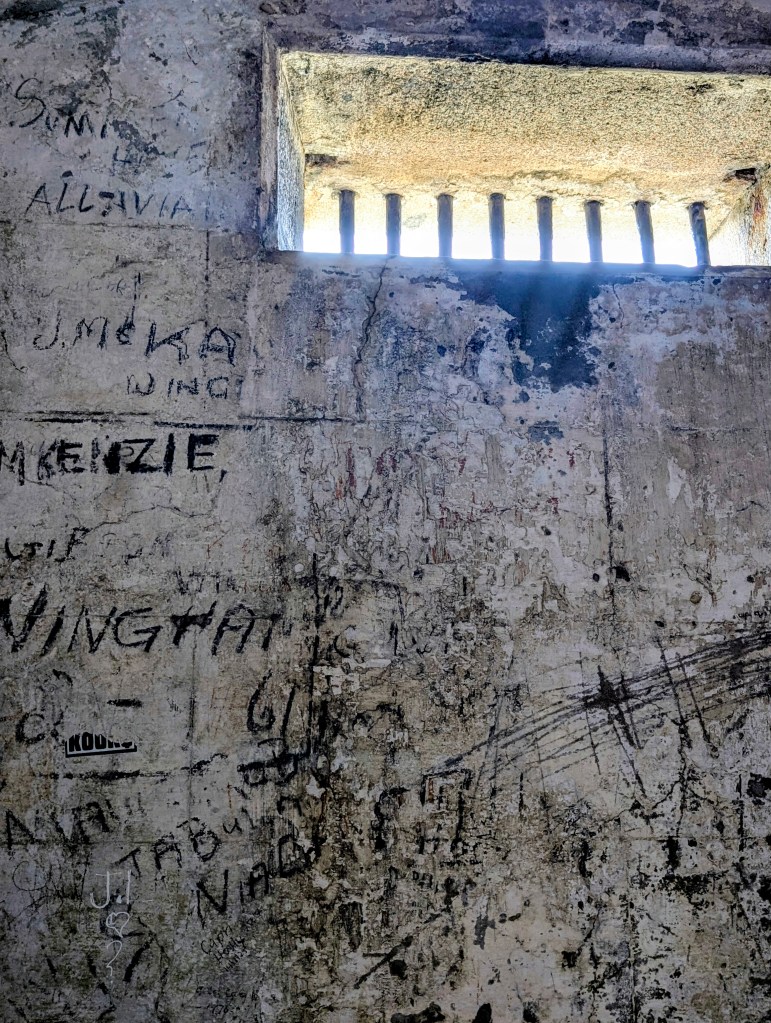
111 out of 124 prisoners at Trial bay Gaol were categorised as Licensees and had the freedom to fish, swim or play sport when not working. They could grow beards, were not obliged to wear prison uniform and were paid a wage which was credited to their bank accounts. Under supervision, they learned the various skills required for the building works and for future employment on release from prison.
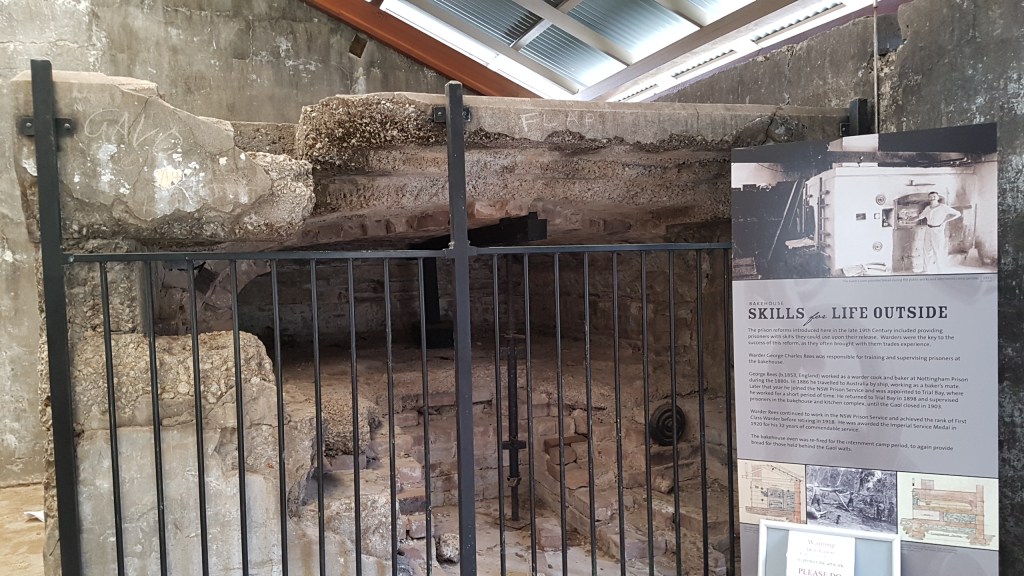
In 1903, the breakwater project was abandoned due to relentless storms, wash aways and gale force winds and as a result, the prison was closed. It remained unused until 1915 when it was commandeered by the Department of Defence for use as an internment camp for German Prisoners and resident “enemy aliens” durating World War I.
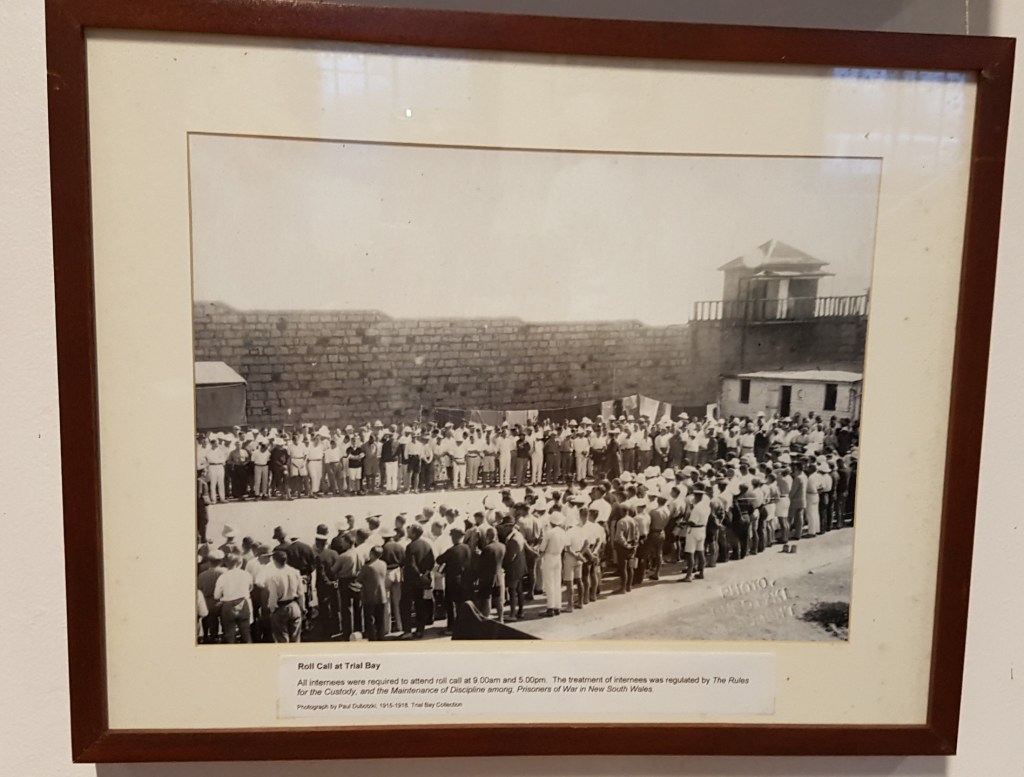
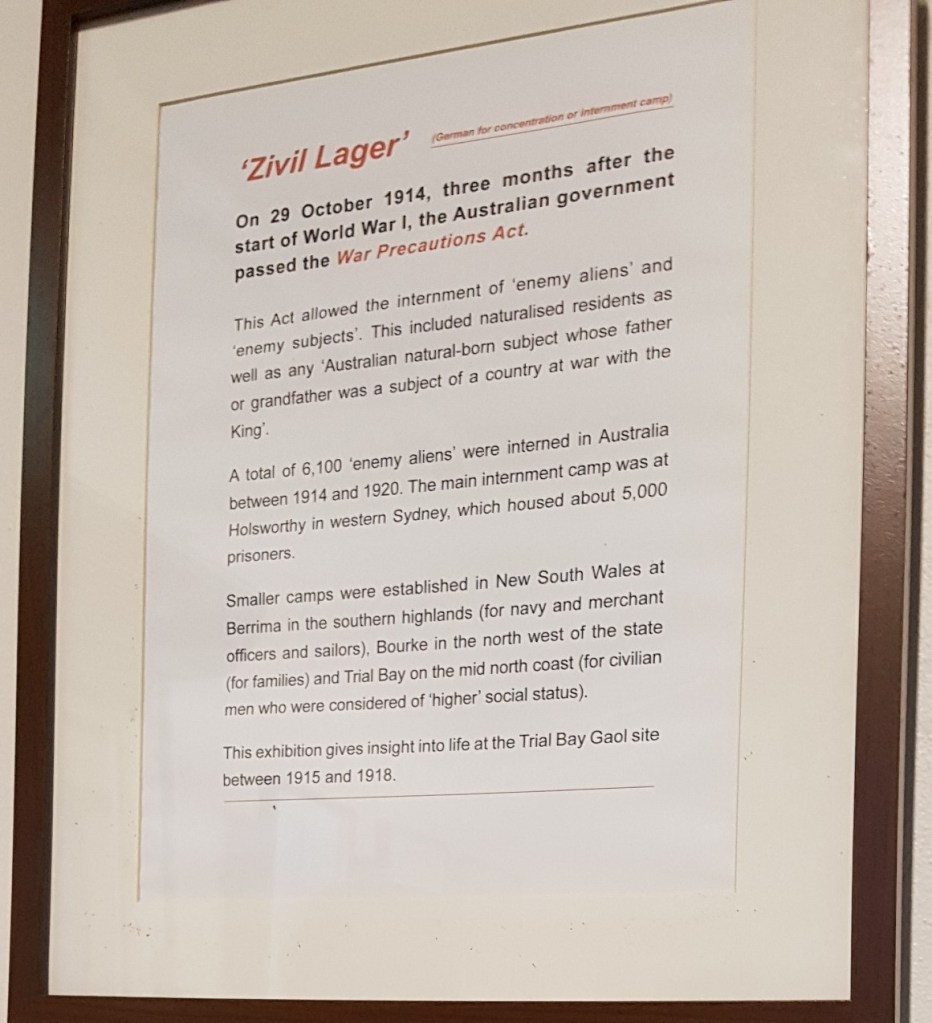
In contrast to other German internment camps in NSW and the ACT, the camp at Trial Bay was used to intern Germans of social standing, often prominent businessmen and professionals living in Australia, as well as prisoners from German colonies in Asia.
When the internment camp at Trial Bay Gaol closed in July 1918, the gaol buildings were stripped, interior fittings, roofs and gates were dismantled, and along with the timber barracks and other buildings, sold off.
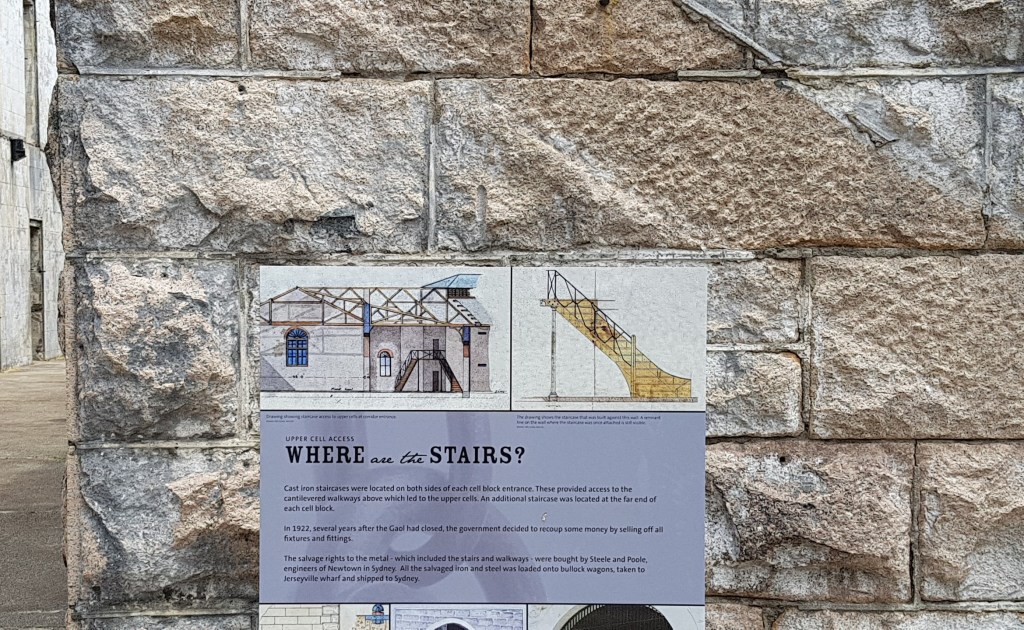
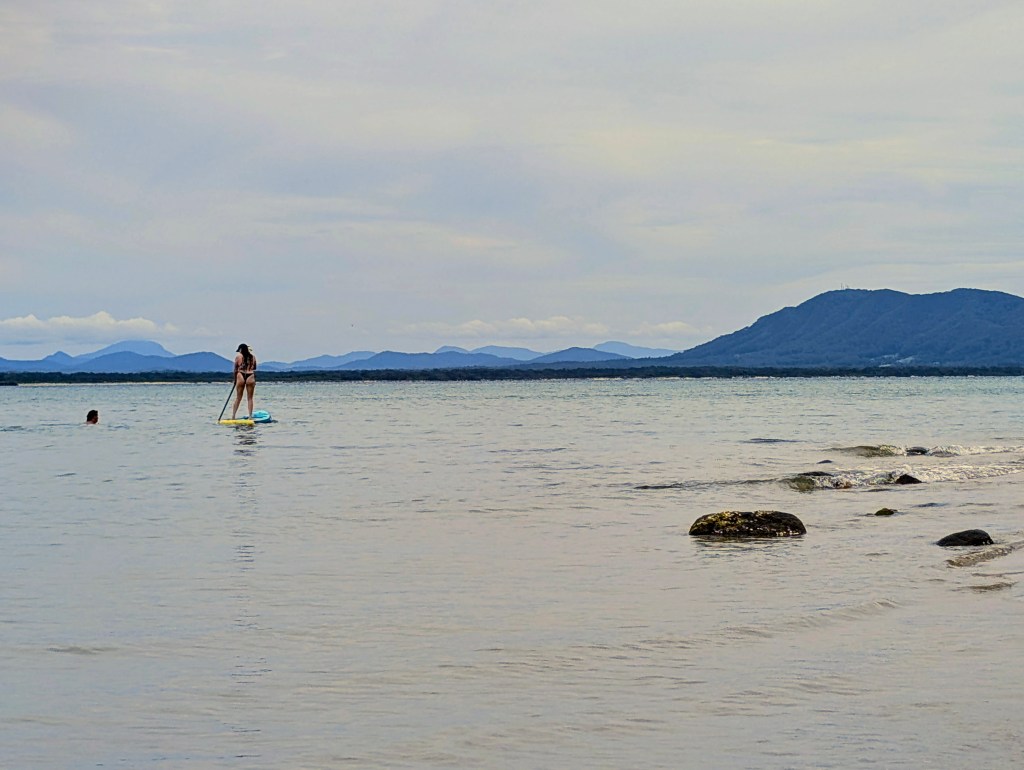
As the gaol deteriorated over time it soon drew the attention of tourists and campers who began to frequent the old site. Now, the entire peninsula is an extensive camping ground with beach access for swimming and fishing, and the iconic ruin of Trial Bay Gaol, the centrepiece and focal tourist destination.
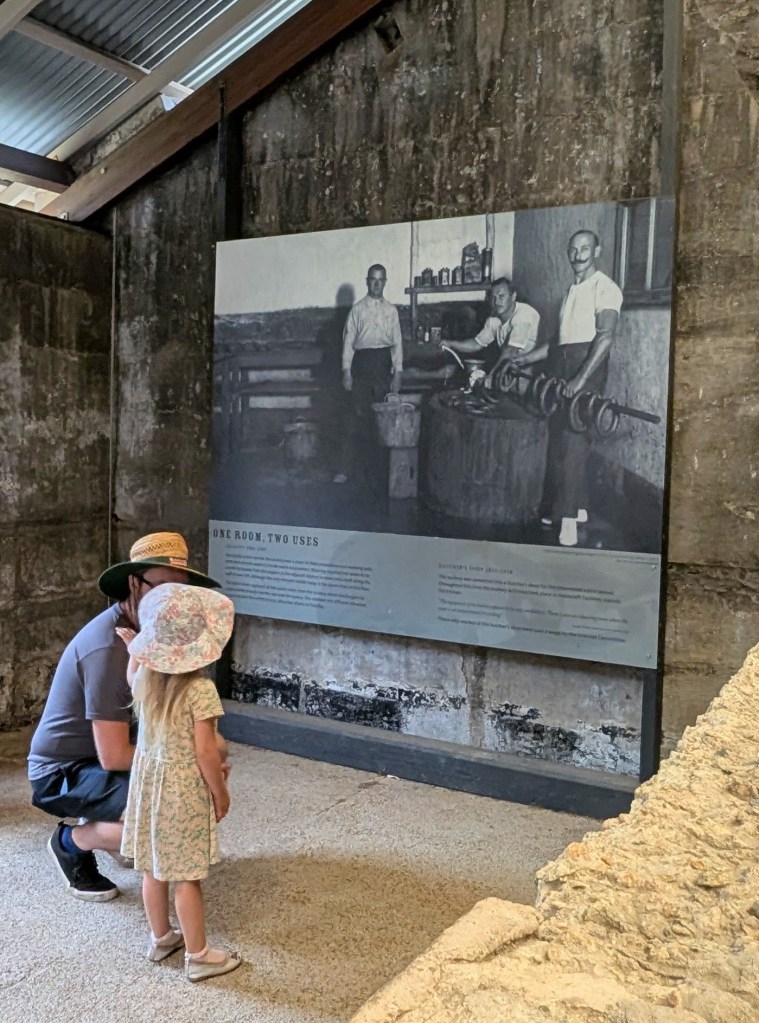
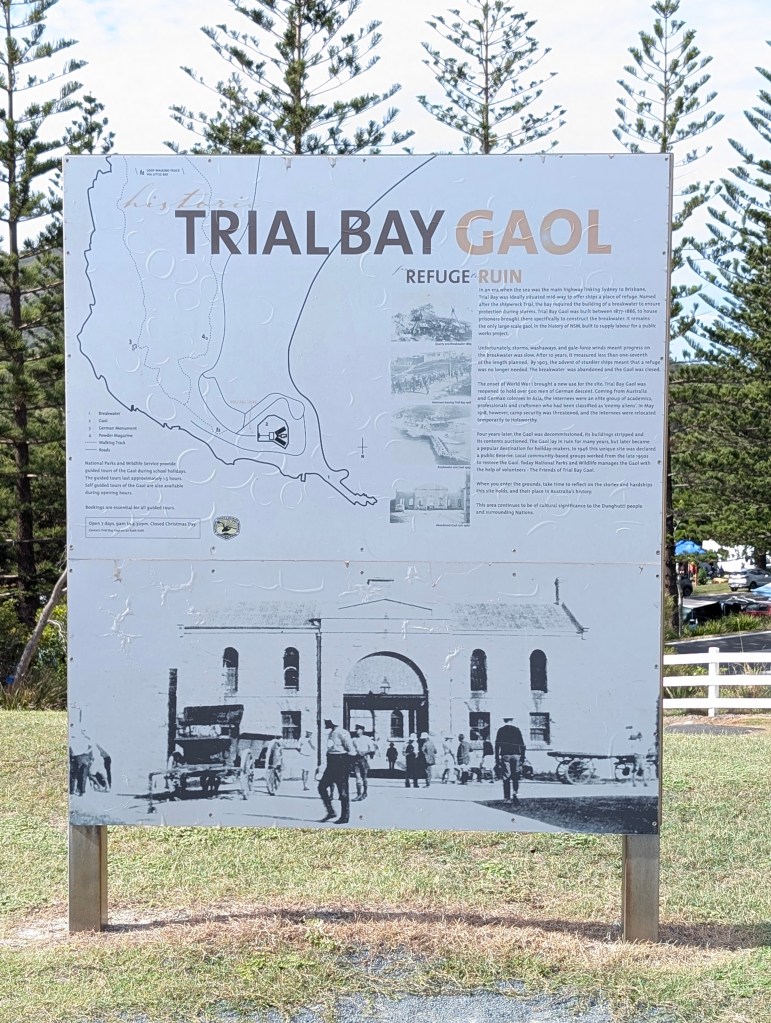
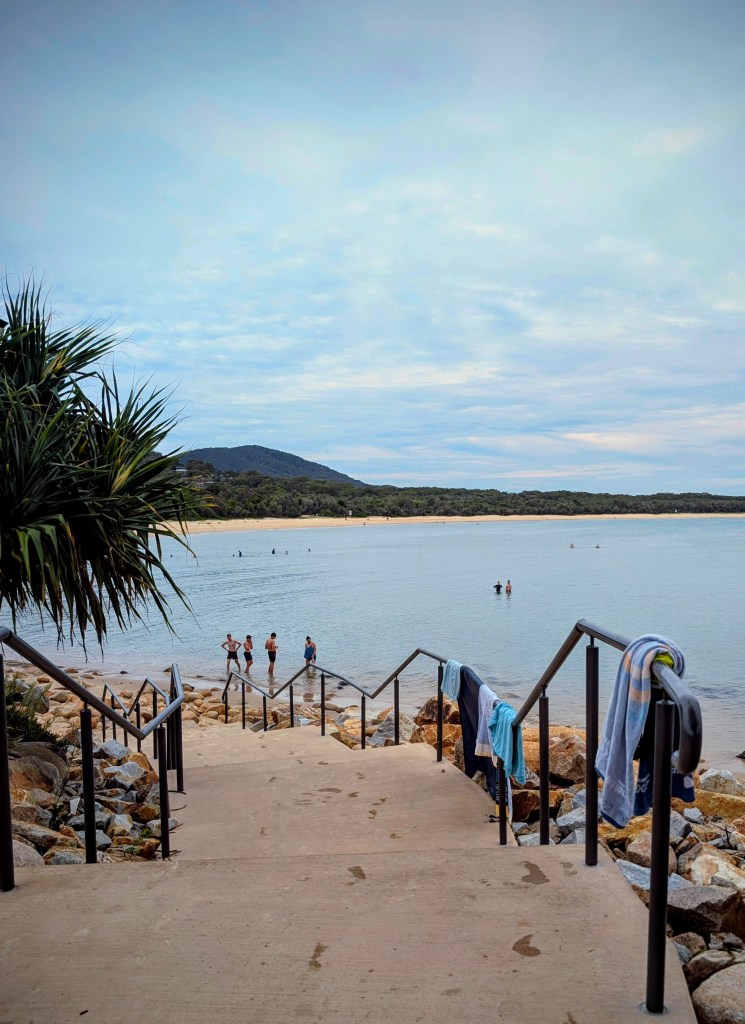
Explore
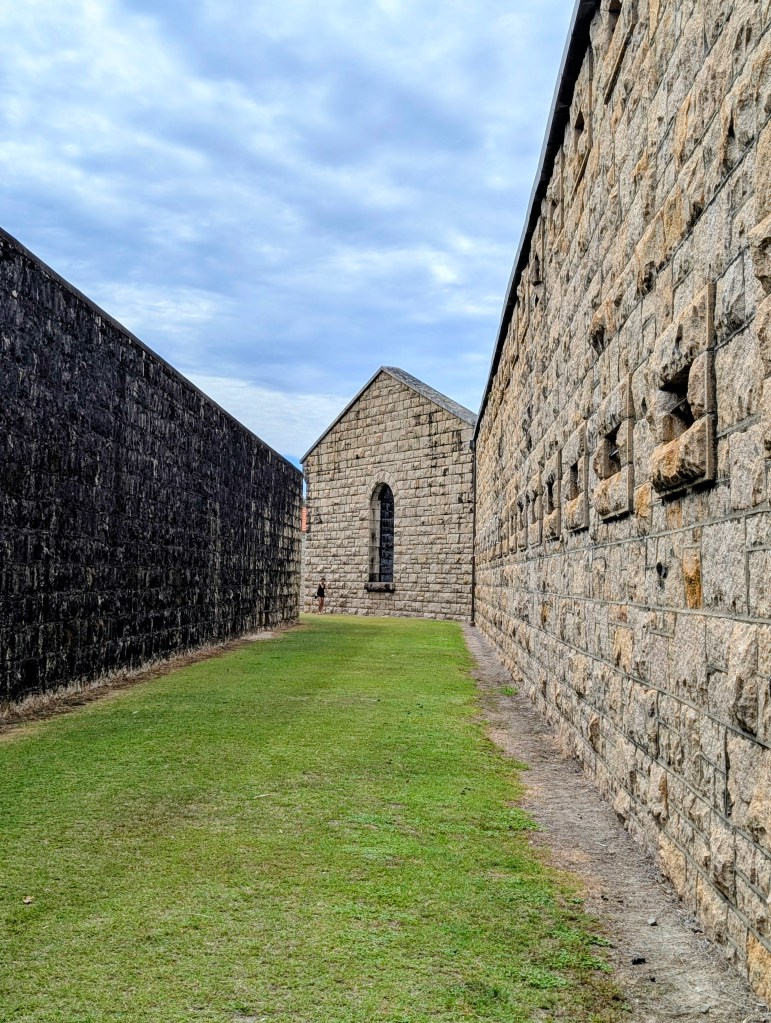
Enter the complex through the gatehouse with its two arched guard houses on either side, then wander the soaring granite perimeter walls as you head towards the remains of the mess hall. Here, three large arches in the rear wall give access to the kitchen, scullery and bakehouse, as well as the two storey cell blocks A and B. The kitchen still contains the remains of four boilers and a huge fuel range stove.
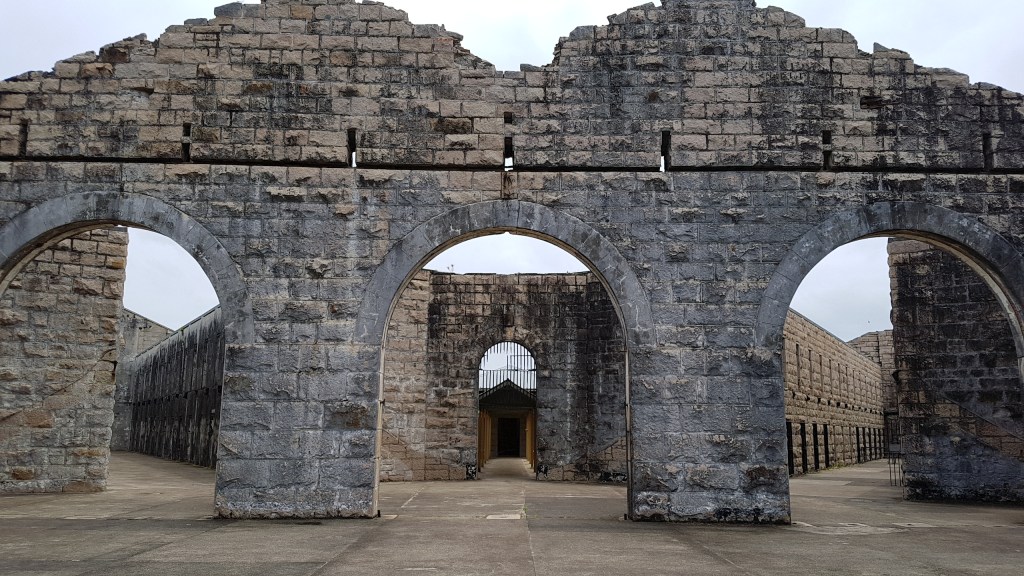
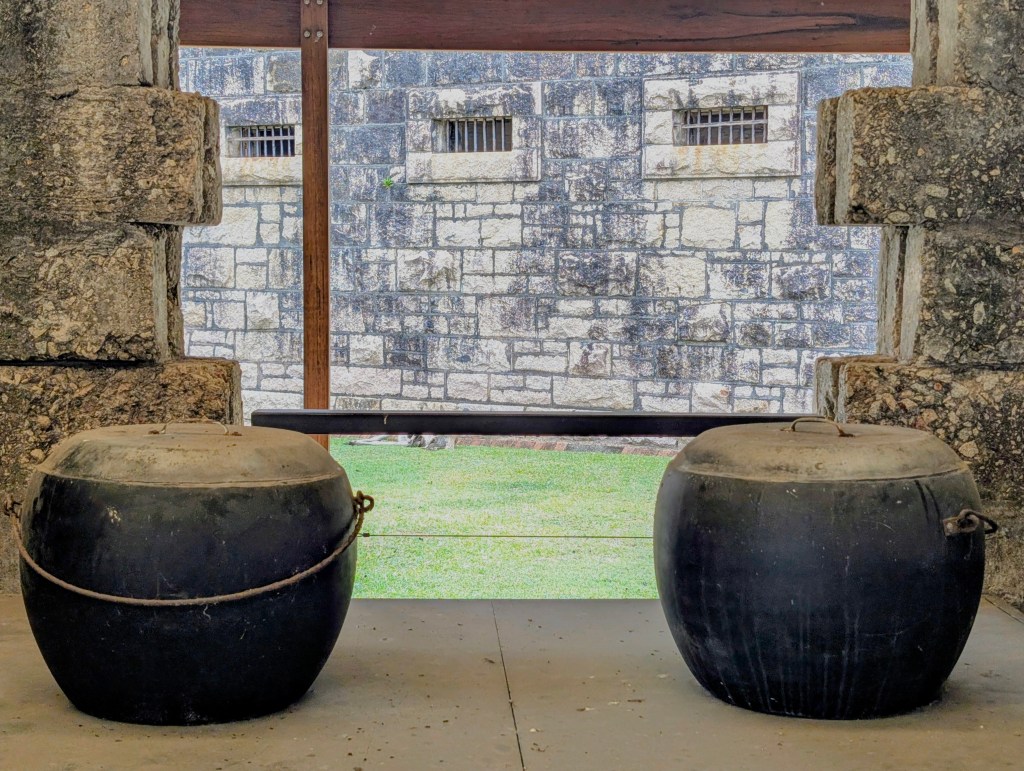
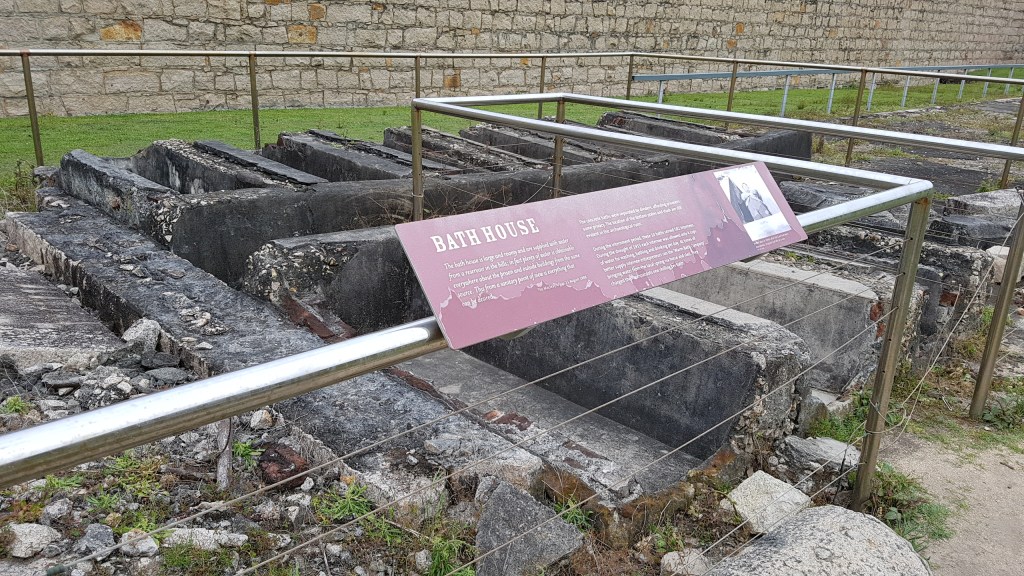
A set of five ‘silent cells’ used as isolation cells for punishment, are also accessible just inside the perimeter wall, and although no longer standing, footings and evidence remain of an ablution block, three hospital buildings, blacksmiths shop, carpenters shop and other buildings.
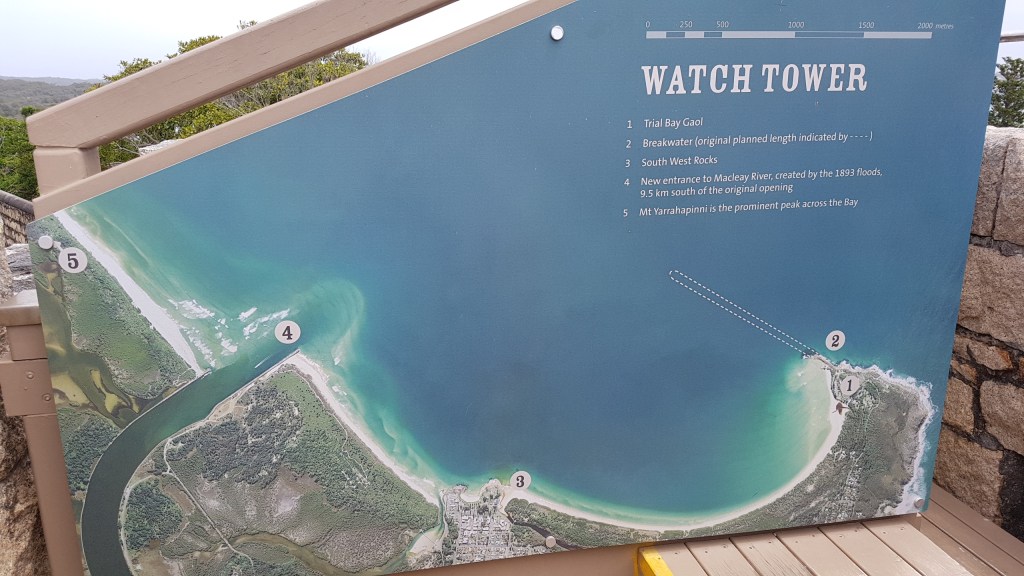
Finally, make your way to the Sentry’s Lookout and climb to the top for views over the gaol grounds, along with the panoramic wide sweep of Trial Bay and the entire scenic coastline.
A visit to Trial Bay Gaol is an opportunity to experience Australian history and to imagine the lives of those who were incarcerated here. Touch the cold stone walls, walk through the empty, echoing cells and listen to the sea just outside the grounds telling tales of the mariners who found their final resting place in these historic waters.
Get There:
Find Trial Bay Gaol just 5km east of South West Rocks on the NSW Mid North Coast.
Entry: Adult $11. Concession $8. Family $30 (2 adults and 2 children)
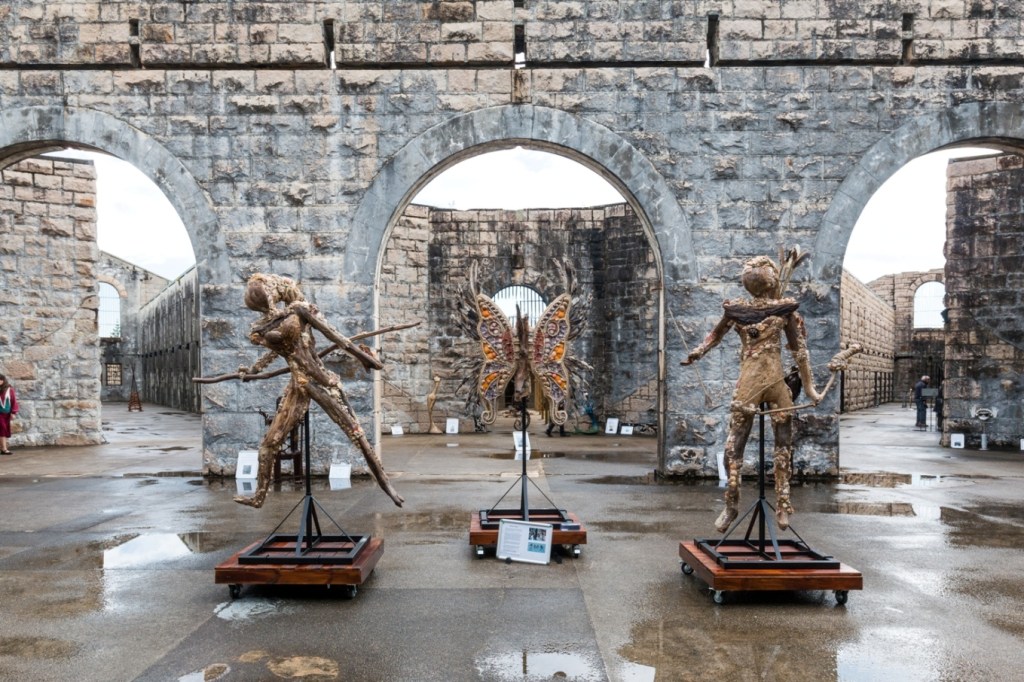
Between August and September, Trial Bay hosts the annual Sculpture in the Gaol, a public sculpture competition. For more information follow the Facebook link above or contact the park office.
More Info: Trail Bay Gaol – Arakoon National Park

 Pixsell Travels
Leave a comment