Join us on an 8-day exploration of Japan’s second largest island and its best kept secret – Kyushu. Stay in an onsen resort, take a trip on the bullet train, immerse yourself in hands-on craft workshops, soak in hot springs and indulge in delicious local cuisine along the way.
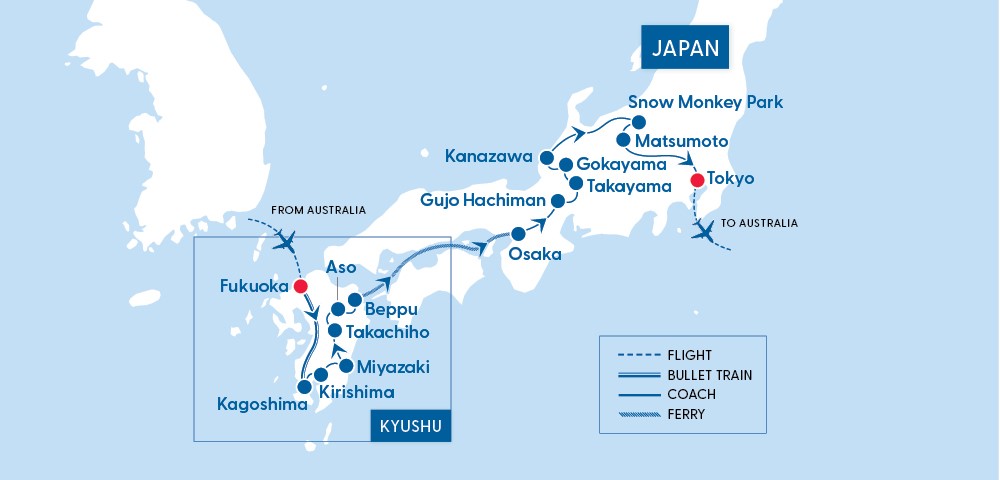
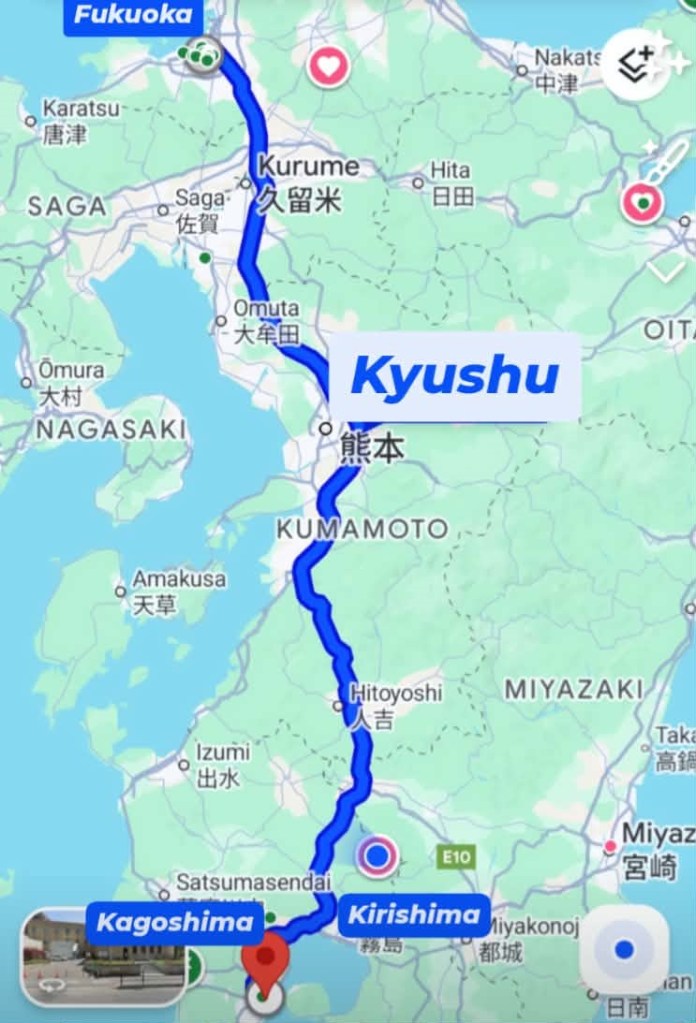
Travel from Kyushu’s capital, Fukuoka along the west coast, south to Kirishima, then up the east coast to the delightful hot springs resort town of Beppu. At the end of the journey you can then take the iconic Sunflower Ferry on a relaxing overnight journey across the Seto Inland Sea to Osaka in Honshu, and on to Tokyo.
This tour is from the Kyushu section of the My Cruises Touring Collection’s Journey to the Heart of Japan & Kyushu Tour, but for independent travellers, Kyushu is super easy to explore on your own. We’ve included directions for getting around plus links to day tours in Fukuoka, Kagoshima, Miyazaki and Beppu. So add these into our itinerary and you’ll have your own unique journey through Japan’s hidden gem – the island of Kyushu.
Day 1 – Fukuoka Prefecture
Fukuoka-Yanagawa-Fukuoka
It’s 8.30am, and we have just touched down in Fukuoka, the capital city of Kyushu (the southern most of Japan’s four main islands) and by the time we reach the city it is still too early to check in to our hotel. So, instead of wandering the streets (our organised tour doesn’t begin until tomorrow), we decide to jump straight in and head an hour further south to explore the pretty town of Yanagawa, ‘The City of Water’, by canal boat.
Exploring Yanagawa by Donkobune:
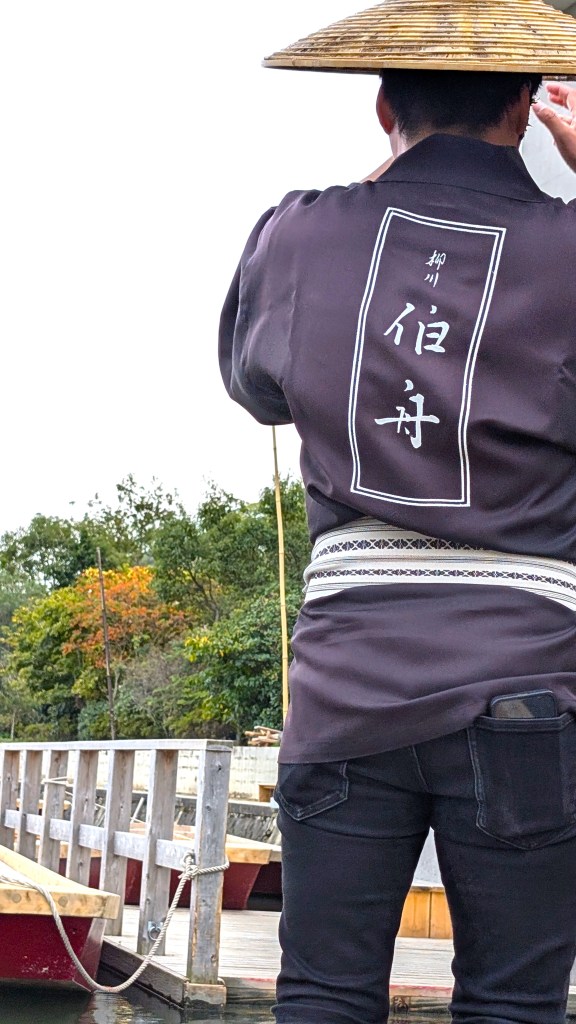
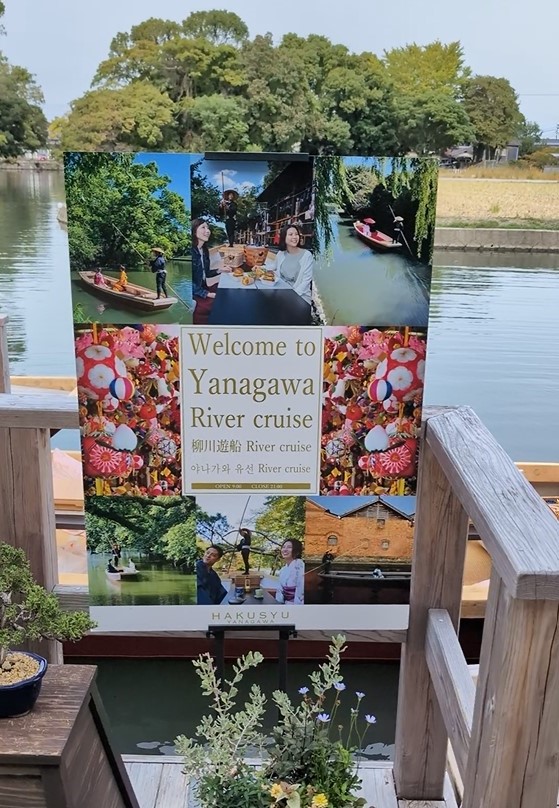
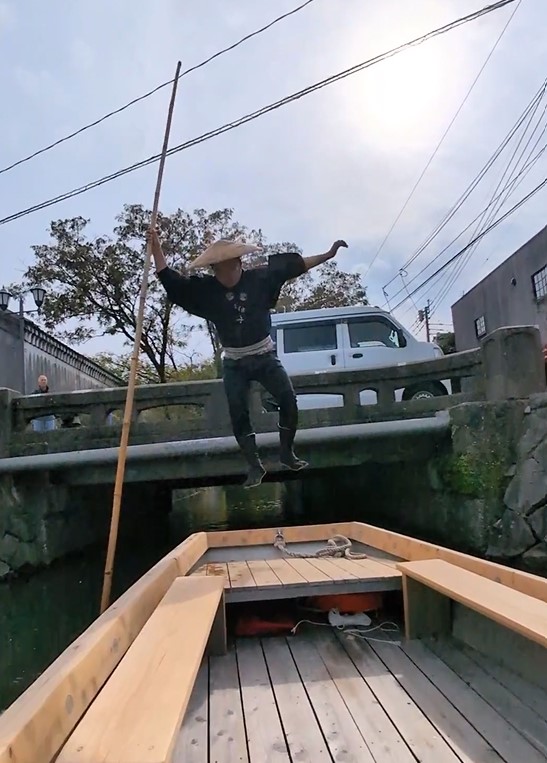
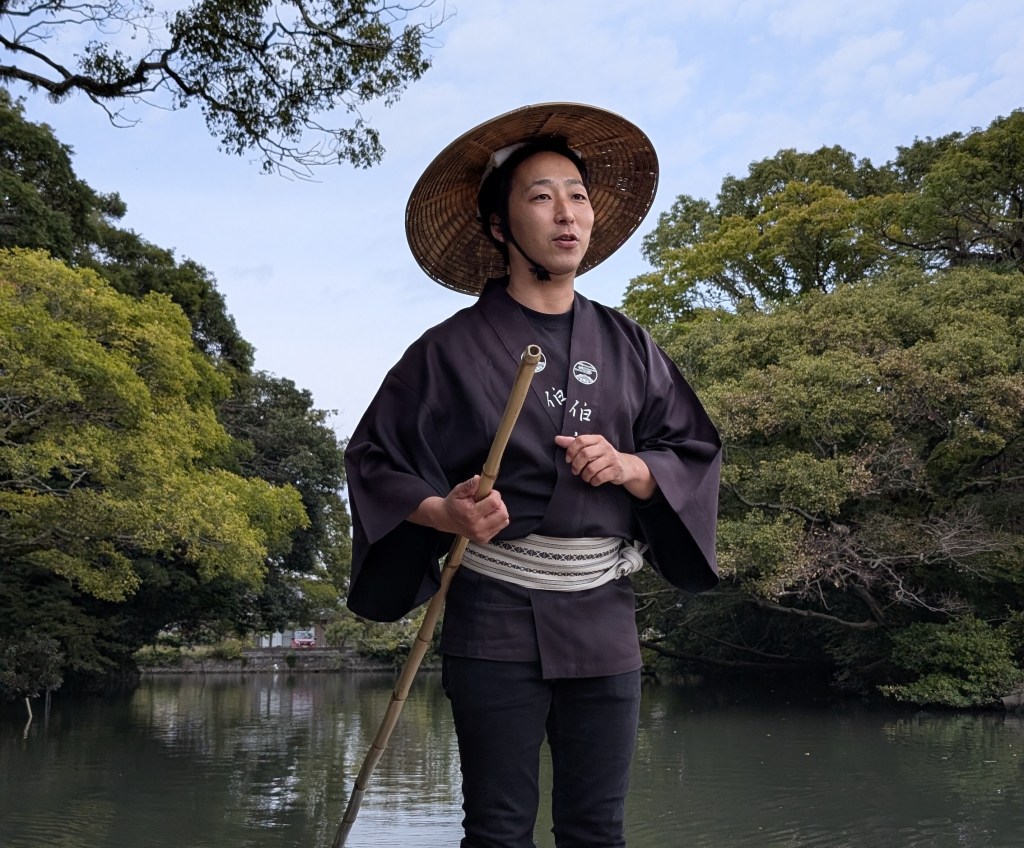
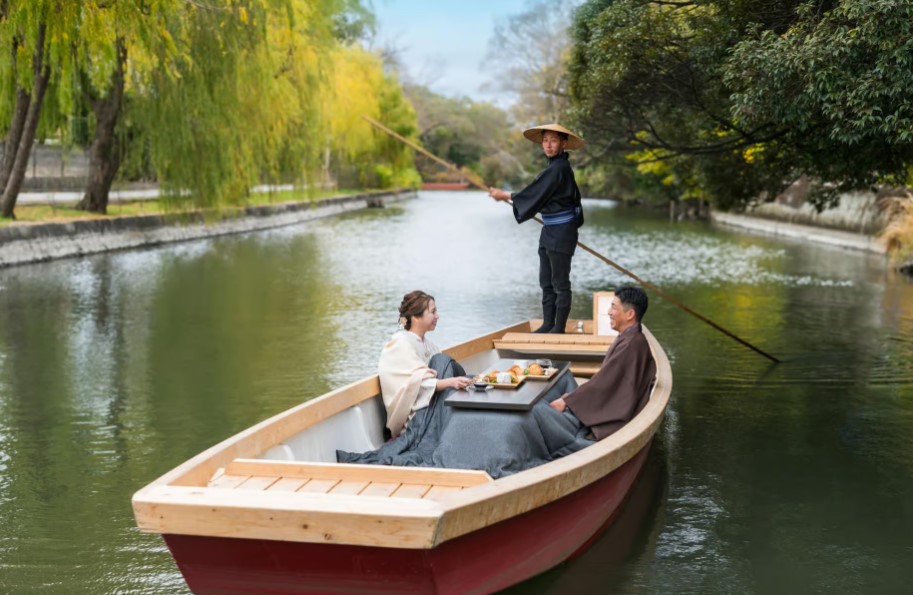
We have booked Klook’s Yanagawa River Boating Experience – to ride in a ‘donkobune’ (traditional flat-bottomed boat), for a relaxing 40 minute ‘kawakudari’ (canal cruise) along some of Yanagawa’s peaceful 930 canals. But it’s not just any old canal cruise, our boatman is more than just that! He deftly leaps with his pole onto bridges as we pass under, and lands samurai-style back onto the boat as we emerge out the other side! And as if this isn’t entertainment enough, he then launches into song, his voice delightfully resonant and beautiful. We travel along the peaceful and pretty Yanagawa waterways without roar of engines and are transported back to another time and place. It is a truely magical introduction to the beautiful island of Kyushu. 💕
Getting There:
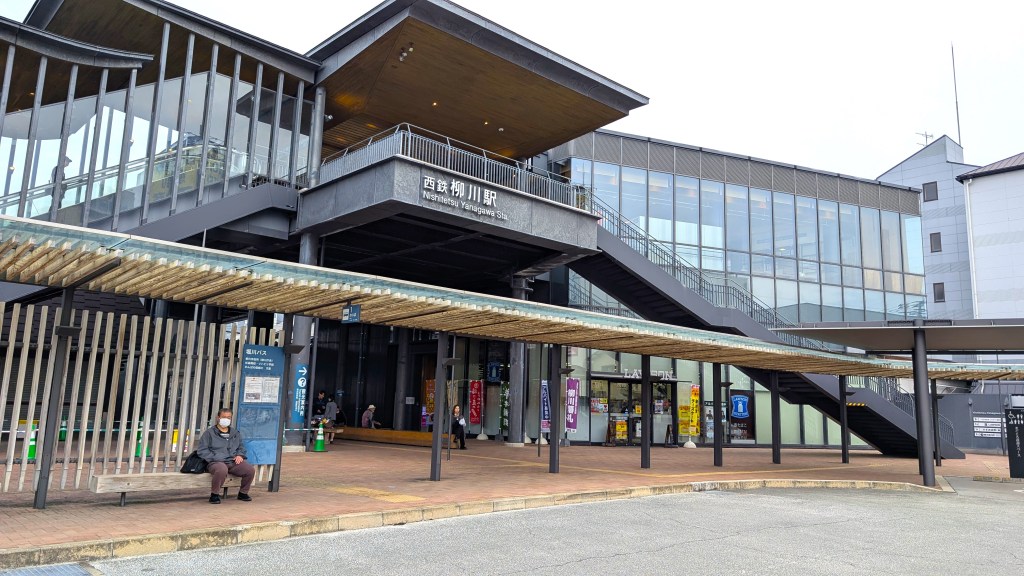
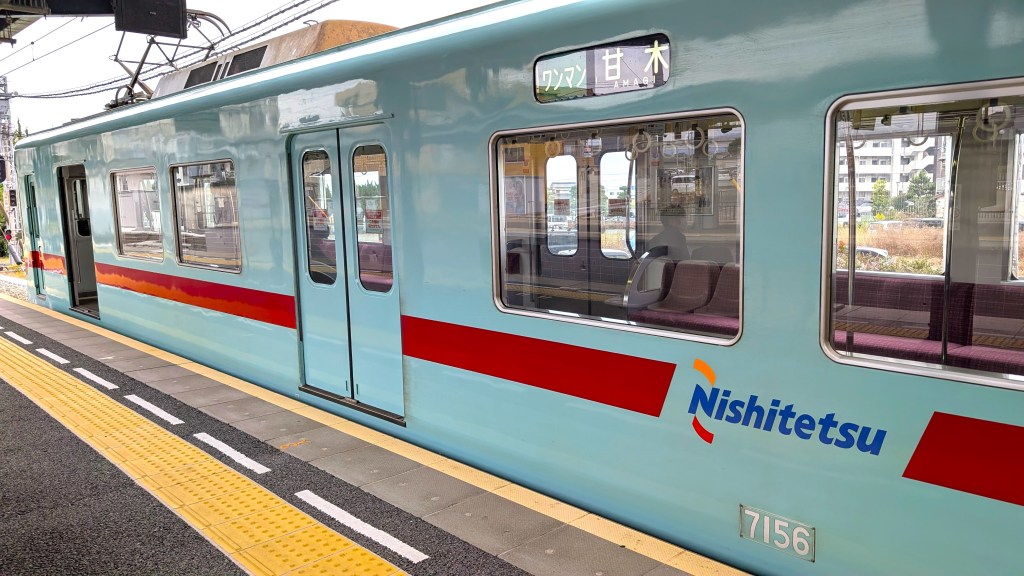
- From Fukuoka take the subway from Gion Station to Nishitetsu-Yanagawa Station (via Tenjin Station) – approx 1 hr 5 min.
- From Nishitetsu-Yanagawa Station take a taxi to Kamenoi Hotel (tour meeting point) – Approx 15 min
- Return the same way in reverse after the tour
Learn More:
The Yanagawa Boatman – Cruising in Kyushu: The appeal of river boating is not just the beautiful scenery. The boatman’s skillful handling of the pole, the lively stories and songs also add to the atmosphere. The boatman shares stories about Yanagawa’s history, culture, and the lives of the people.
Book a Guided Tour:
Fukuoka: Yanagawa River Cruise & Lunch Private Guided Tour: One of the best ways to experience Yanagawa is by taking a river cruise, also called a “moat tour. Embark on a day trip from to Fukuoka by train, English speaking local guide with a grilled eel lunch
O/Nite: Hotel Nikko Fukuoka (2 nights)
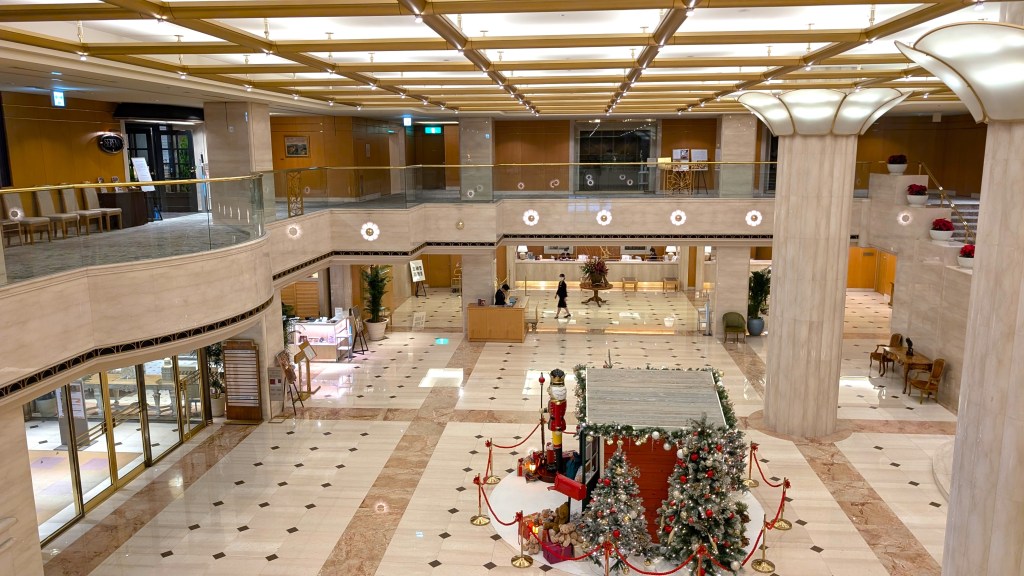
Back in Fukuoka we check into our hotel, the Hotel Nikko Fukuoka, a luxurious 14-story hotel located just a 3-minute walk from JR Hakata Station and a 5-minute subway ride from Fukuoka Airport.
This beautiful hotel features 360 rooms, multiple gourmet restaurants, and direct underground pedestrian access to Hakata Station’s rail and subway lines. There are 6 restaurants in the hotel offering a selection of Japanese, Chinese and French cuisine as well as a buffet, a tea lounge and bar.
Address: 2-18-25 Hakata Eki-mae, Hakata-ku, Fukuoka, Japan
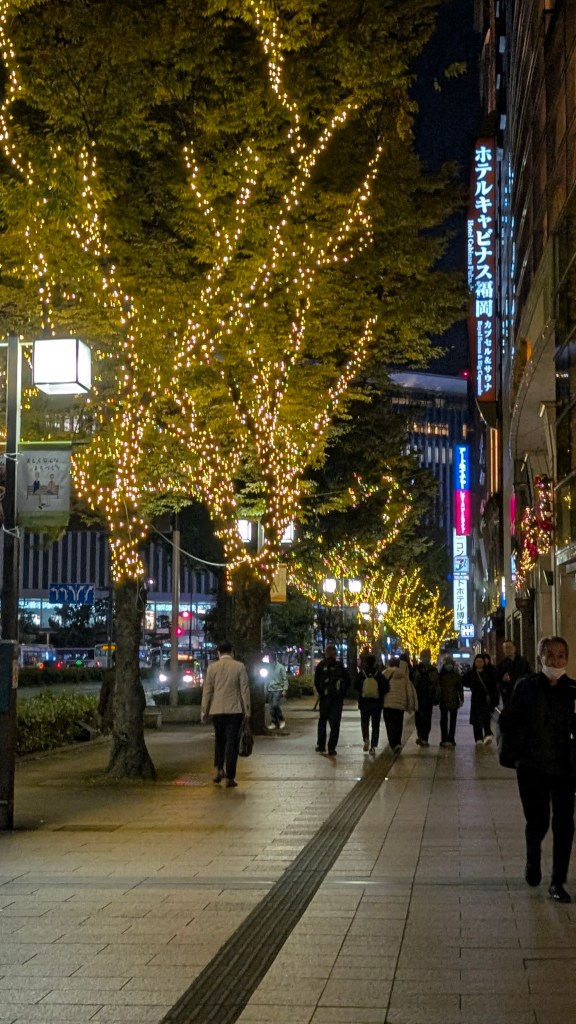
We are tempted to stay in, but the desire to explore more of Fukuoka wins, so we drop our bags, admire our stylish room and head back out. Immediately, we are drawn into the wonderland that is Fukuoka’s mesmerising nightlife. There are lights everywhere, and at JR Hakata City Amu Plaza, the streets and trees are lit up like Christmas.
Not only is the JR Hakata Station a key rail hub for Kyushu, it is also an extensive complex of shopping and food outlets. For more information read the Complete Hakata Station Guide by Good Luck Trip.
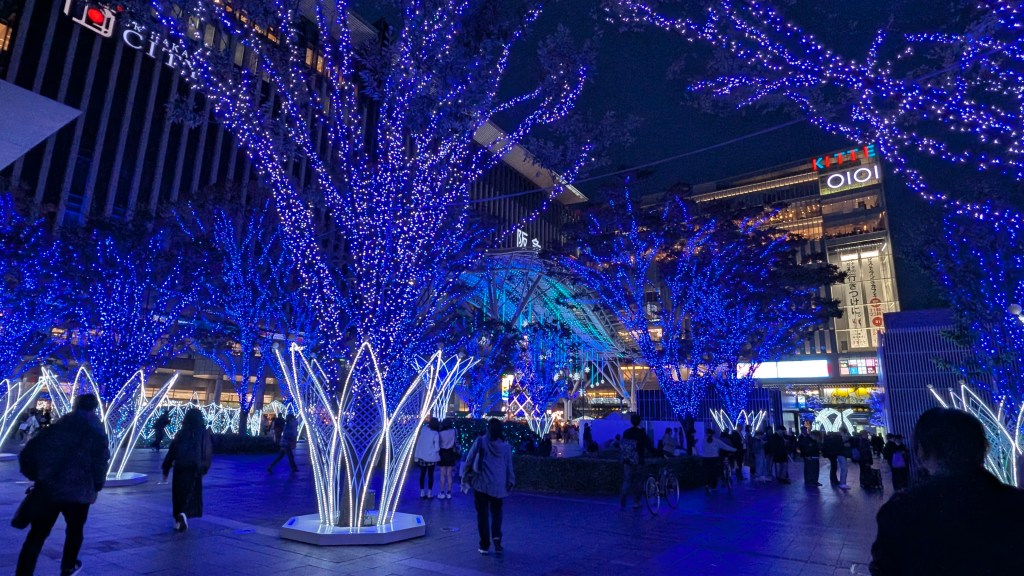
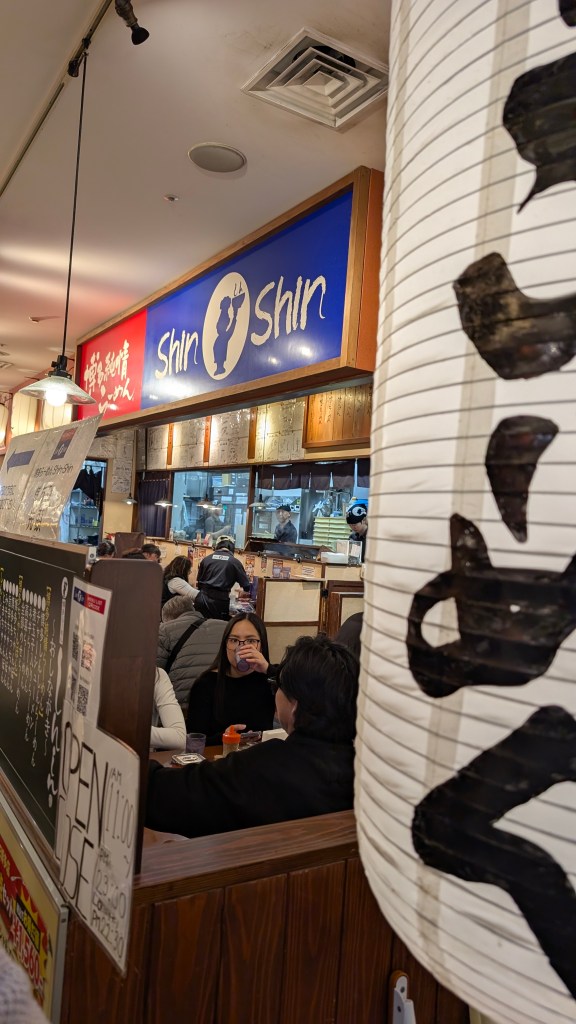
We make a b-line for Fukuoka’s famous Hakata Ramen at Shin Shin Hakata Deitos which is located in the popular shopping and dining complex directly inside JR Hakata Station.
Dinner: Shin Shin Hakata Deitos
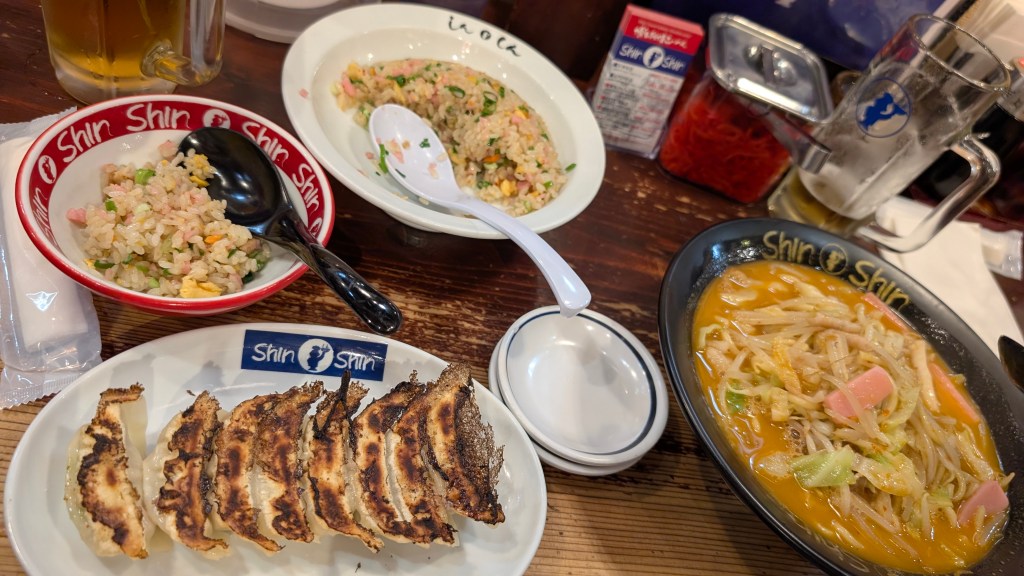
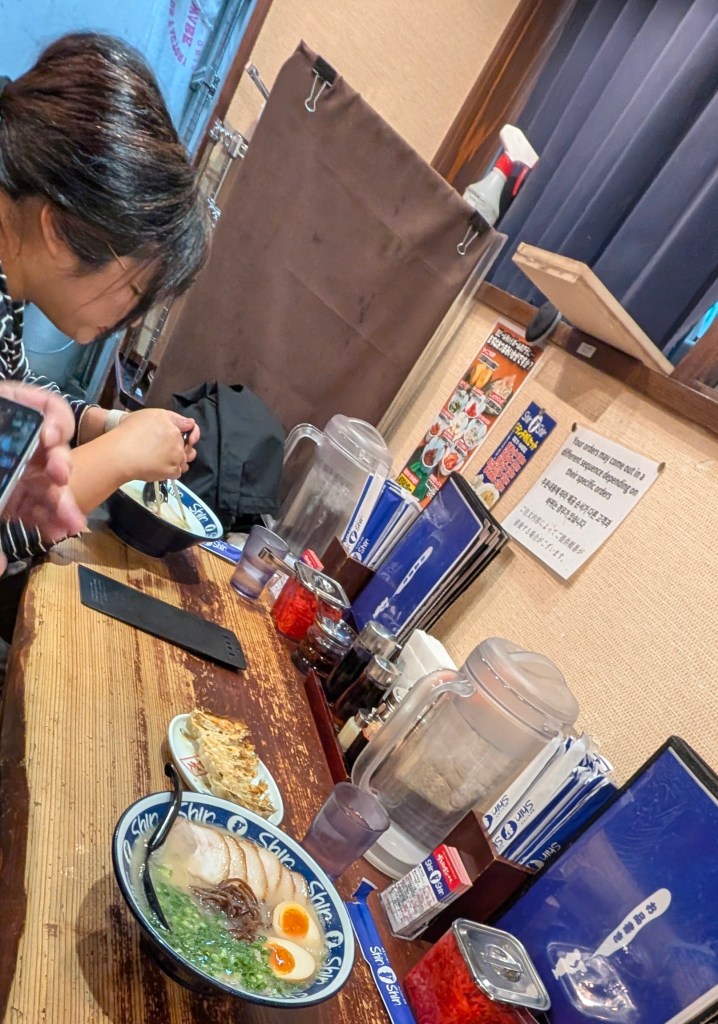
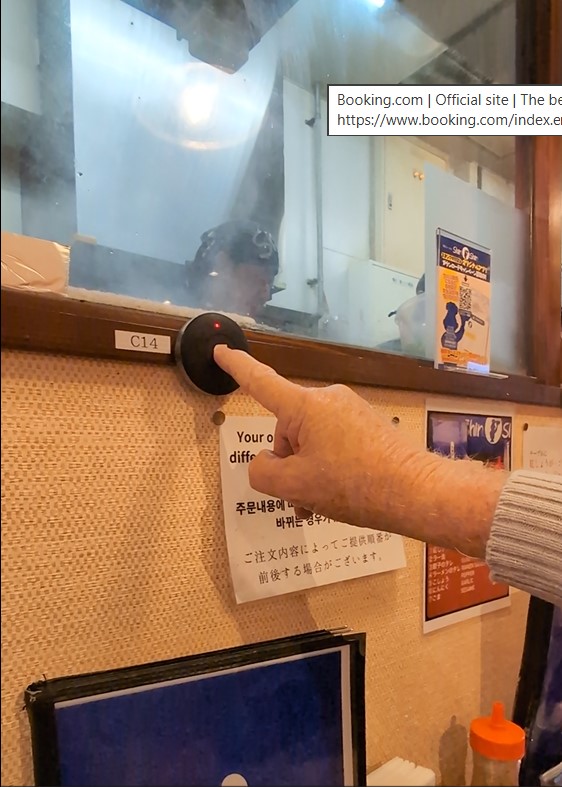
Shin Shin Hakata Deitos – is famous for its juicy pork bone broth served with aromatic vegetabls and thin, firm noodles. The restaurant also serves a wide variety of other noodle dishes, plus side dishes such as gyoza and yakisimeshi (grilled rice). You may have to line up for a table, but the line moves fairly quickly and it is well worth the wait. (P.S. Don’t forget to press the button to order!)
Address: 1-1 Hakataeki Chuogai, Hakata, Fukuoka 812-0012 Fukuoka Prefecture.
Day 2 – Fukuoka
Dazaifu Tenmangu Shrine:
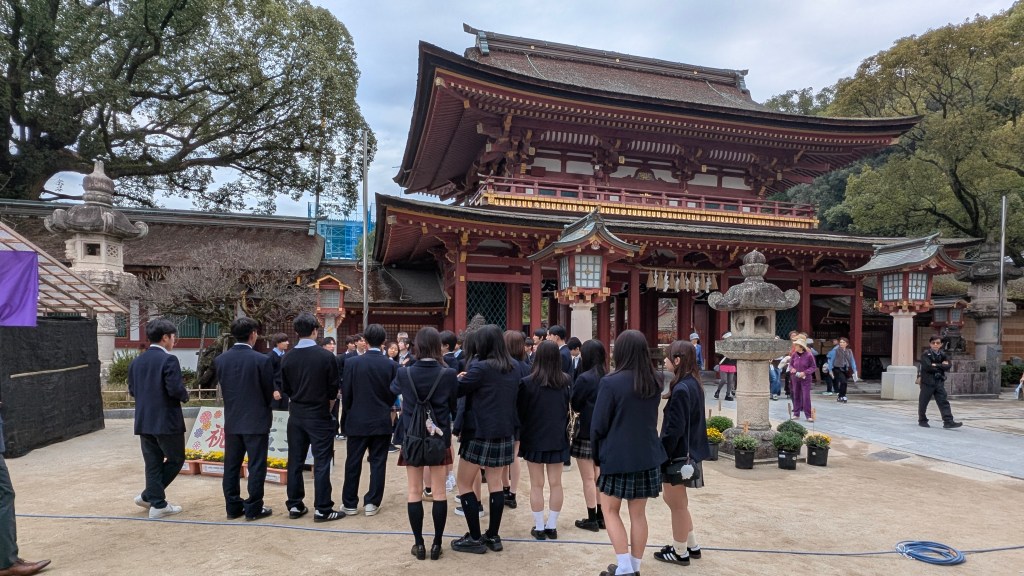
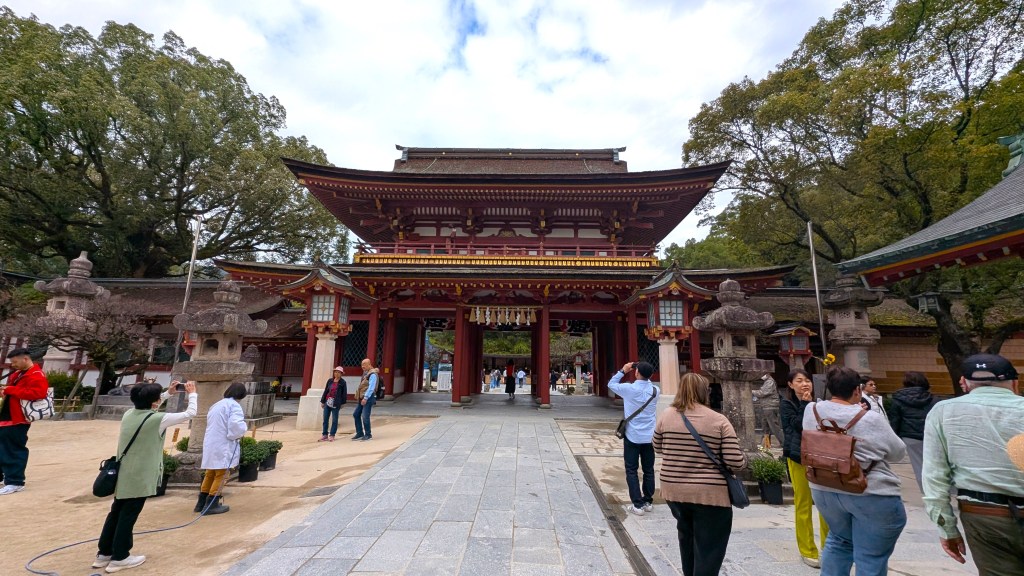
Located in Dazaifu City, Fukuwoka Prefecture, Dazaifu Tenmangu Shrine is the most famous and prestigious shrine for learning in Japan and is dedicated to the spirit of Sugawara Michizane, a scholar and politician of the Heian Period and the Shinto deity of learning, culture, and the arts. Attracting over 10 million visitors annually, it is a place where students from all over Japan come to pray for success in their exams. In addition to the elegant Honden (main sanctuary) which dates back to 1591, the grounds that surround it are stunning with scenic landscapes, beautiful bridges spanning a serene water feature and over 6,000 plum trees which decorate the grounds and burst into spectacular pink and white blooms in early March 🌸 The three Taiko Bridges crossing the heart-shaped pond represent the past, present, and future. Custom dictates you must not look back on the past bridge, do not stop on the present bridge, and do not stumble on the future bridge to purify your life.
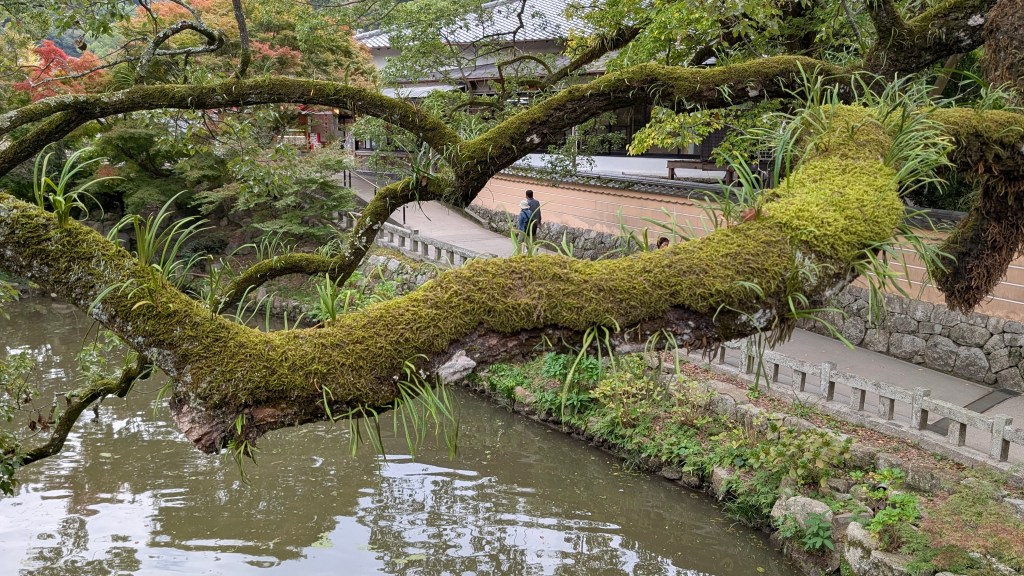
Between the pond and the main hall stands the Dazaifu Tenmangu Museum, which houses and displays many of the shrine’s treasures. And behind the main hall is the small Kanko Historical Museum, which displays the main events in the life of Michizane in small dioramas. Also in the grounds you’ll find 11 sacred ox statues which are believed to grant wisdom and clarity if you stroke their heads. Legend states that upon the death of Sugawara Michizane, the ox carrying his coffin stopped completely and refused to move. He was buried exactly on that spot, which became the shrine grounds.
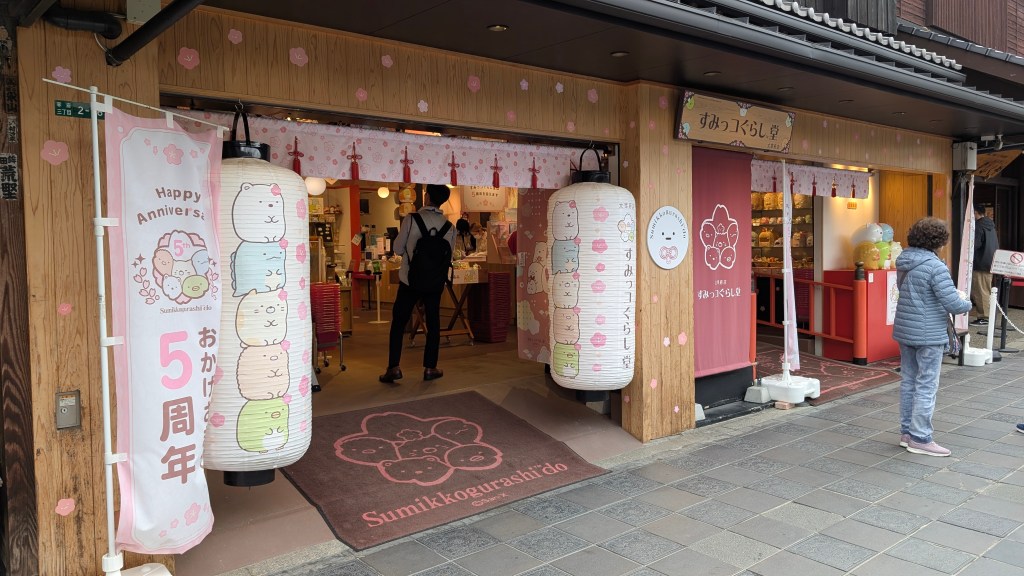
After exploring Dazaifu Tenmangu, head outside to Monzen-machi, the shrine town right outside the main Torii gate. It has served pilgrims and visitors for centuries with food, lodging and goods. Today this pedestrian shopping street is lined with cafes and countless shops selling unique Japanese souvenirs, but it is most famous for selling hot, grilled rice cakes filled with sweet red bean paste as well as other delicious Japanese snacks, both sweet and savoury.
Getting There: : A convenient 5-minute walk from Nishitetsu Dazaifu Station makes it an easy day trip from central Fukuoka (via Hakata or Tenjin Stations).
Admission: Free to enter the main shrine grounds.
Main Hall Opening Hours:
6:00 to 19:00 (April and May)
6:00 to 19:30 (June to August)
6:00 to 19:00 (early to mid September)
6:30 to 19:00 (late September to November)
6:30 to 18:30 (December to mid March)
6:00 to 18:30 (late March)
Book a Guided Tour:
Fukuoka: Dazaifu Tenmangu 2-hour Guided Tour
Explore the 1,200-year-old Dazaifu Tenmangu Shrine on a 2-hour guided tour. Learn about its rich history, spiritual role, and link to academic success with an English-speaking guide.
Hakata Machiya Folk Museum:
Returning to Fukuoka city, delve into the Hakata Machiya Folk Museum, where the region’s history and traditions come alive. The museum has displays depicting the two major festivals held in Hakata city during the year. There is artwork and craft from the Meiji and Taisho periods plus older pictures and paintings depicting life with the samurai.
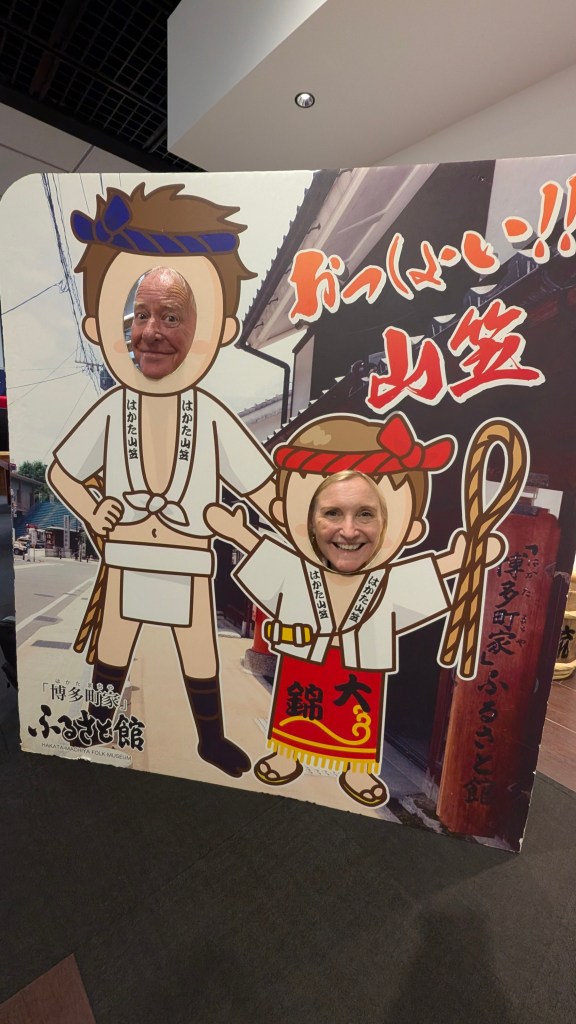
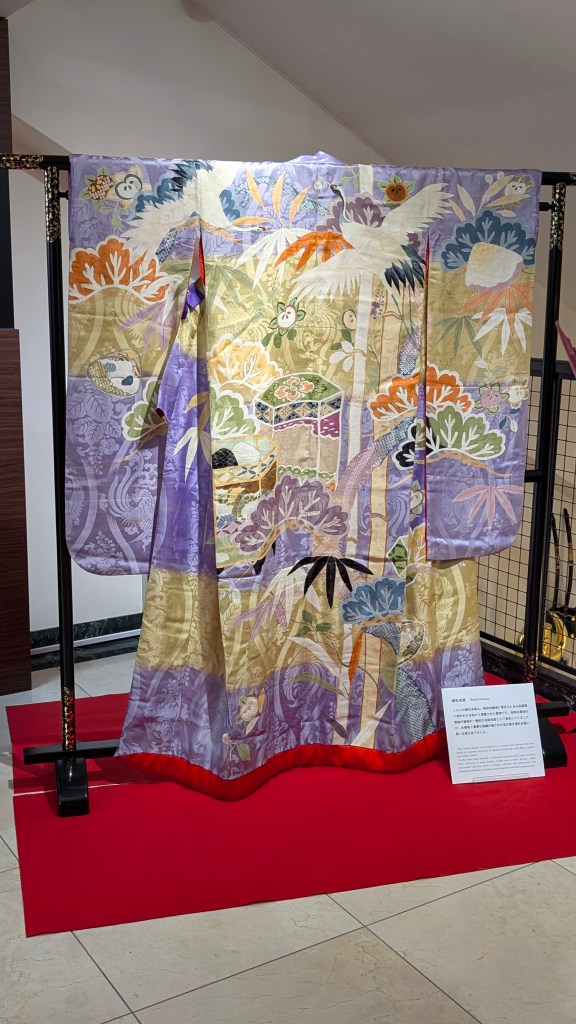
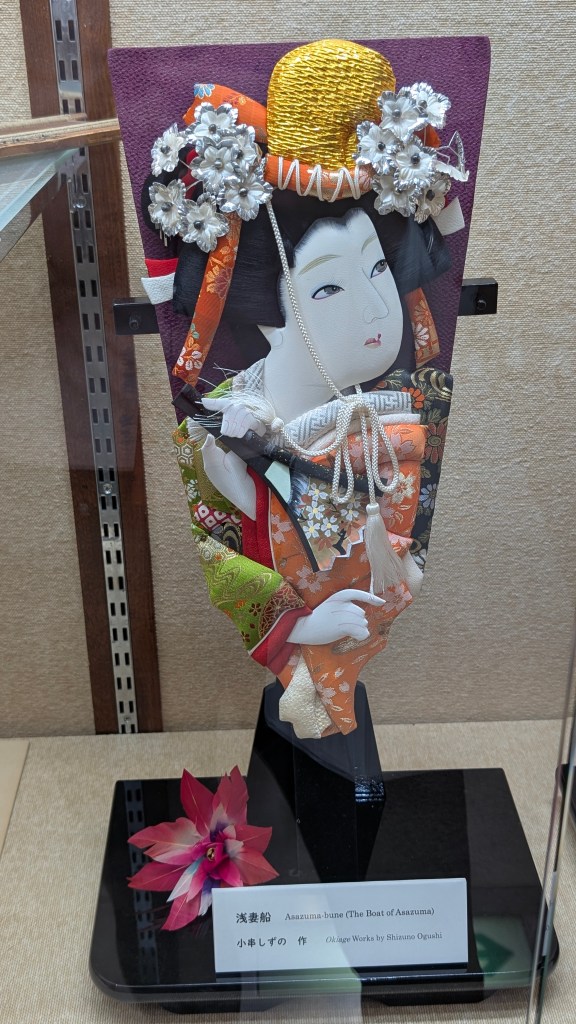
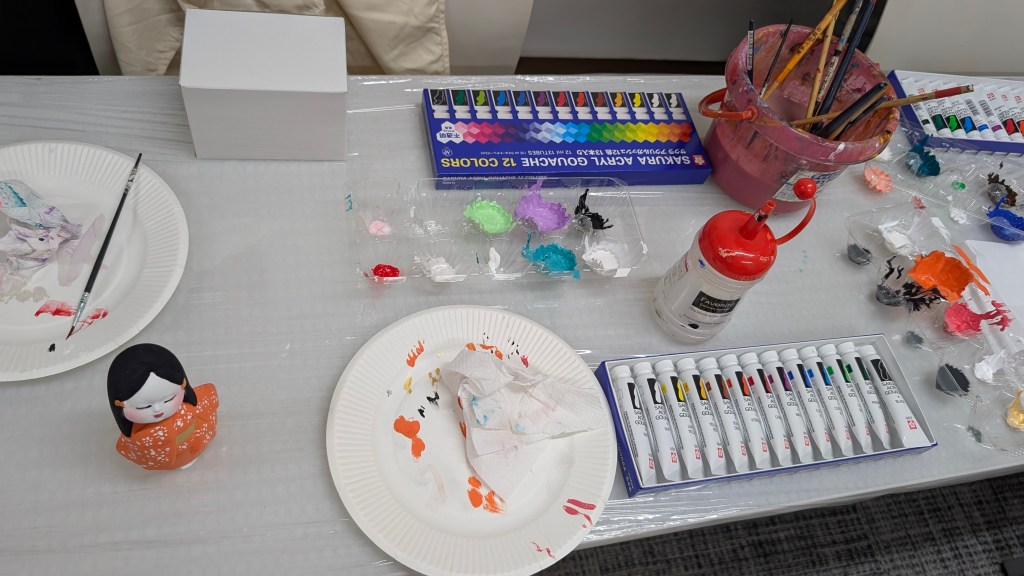
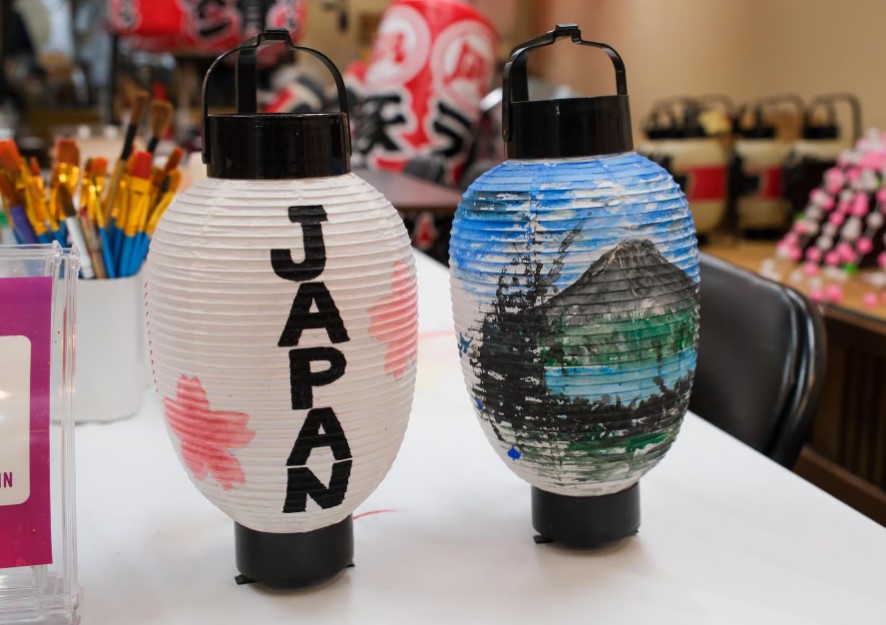
You can also participate in the traditional Japanese craft activities of Hakata papier-mâché, Hakata koma (spinning tops), Hakata magemono (traditional wooden handicrafts), and Hakata doll painting.
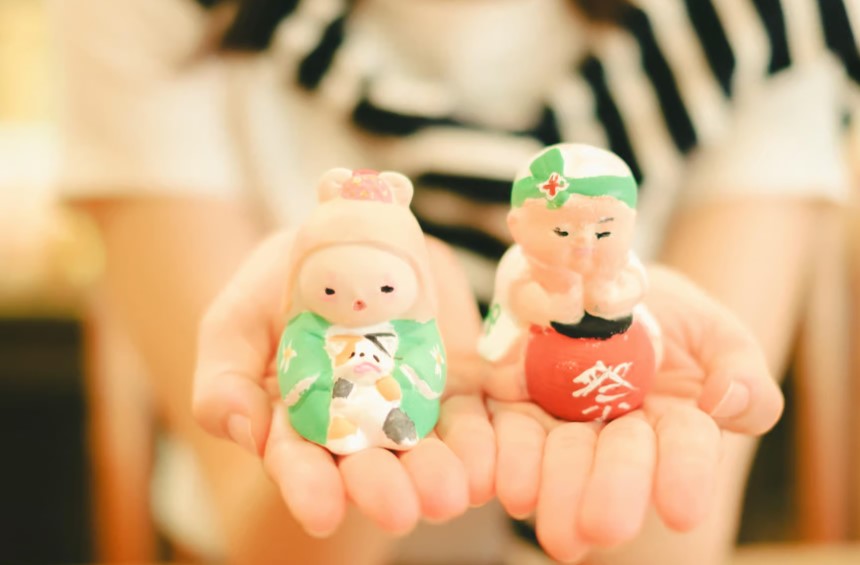
Hakata Dolls originated in the 1600s when the lord of the Fukuoka domain commissioned artisans to create high-quality dolls.The craze soon spread throughout Japan, and eventually reached a global audience at the Paris Expo in 1900. Today they are certified as a traditional craft and are considered an intangible cultural property of Fukuoka Prefecture.
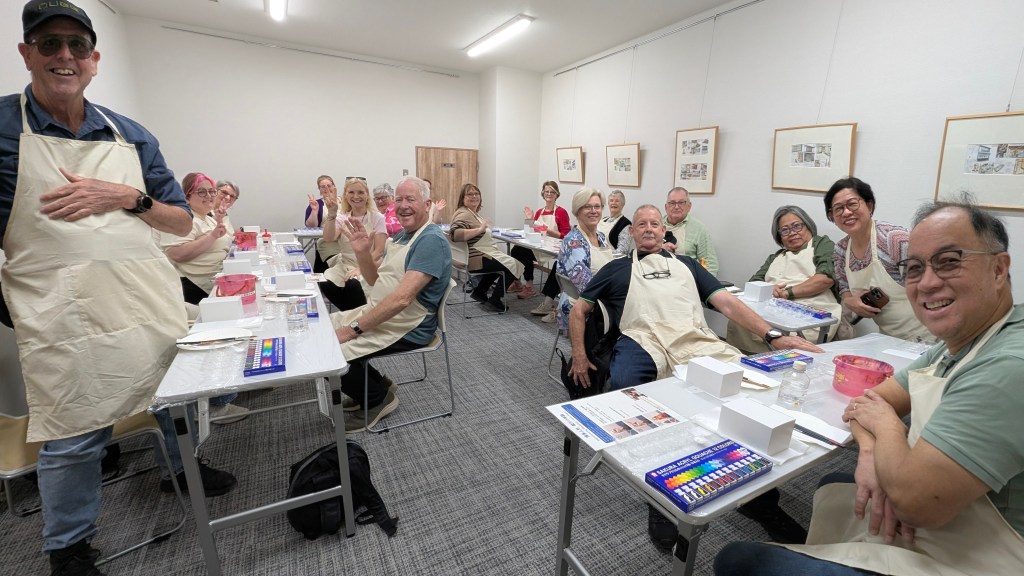
Our attempts at Hakata Doll Painting resulted in an eclectic collection of sweet-faced dolls sporting an array of colourful kimonos, hair colours and makeup styles. What a hoot it was, especially seeing the blokes don their aprons and get stuck in! 

Getting There:
- By subway, get off at Gion station (+ 5 minute walk)
- By bus, take Nishitetsu bus and get off at Gion-machi stop (+ 5 minute walk) or the Canal City Hakata-mae stop (+ 3-minute walk)
Address: 6-10 Reisenmachi, Hakata Ward, Fukuoka City, Fukuoka 812-0039, Japan
Opening Hours: From 9:30 AM to 5:30 PM daily
Book a Guided Tour:
Fukuoka: Hakata Old Town Culture Tour with Craft Workshop
Discover the history and culture of Hakata Old Town on a guided tour. Visit Kushida Shrine, explore the Hakata Machiya Folk Museum, enjoy a local lunch, and experience a hands-on cultural workshop.
Book a Guided Tour:
Fukuoka: Hakata Doll Painting Experience
Immerse yourself in Japanese culture by painting your own traditional Hakata doll. Learn about local heritage as you have fun creating an original piece of art during a guided workshop in Fukuoka.
Kushida Shrine:
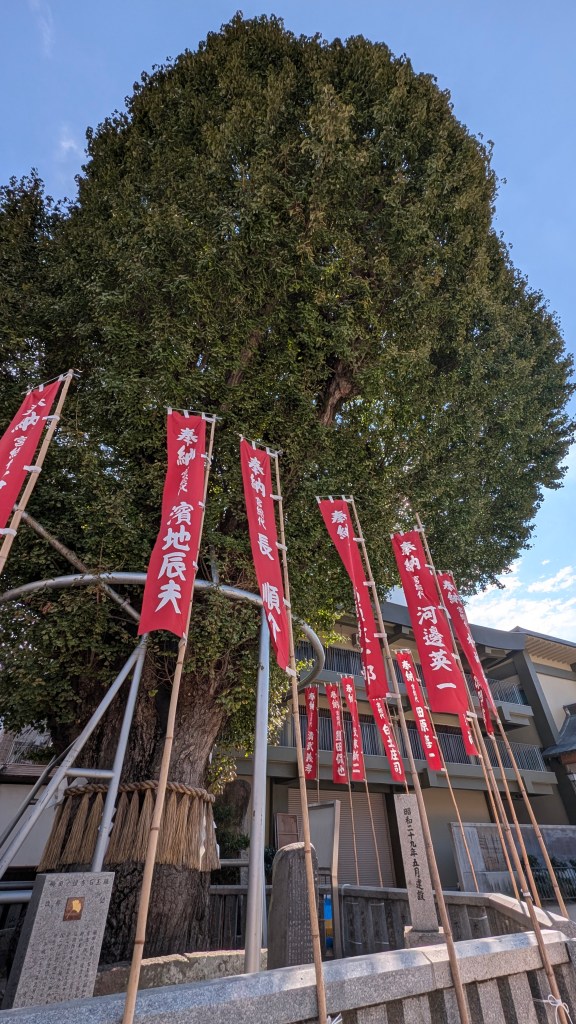
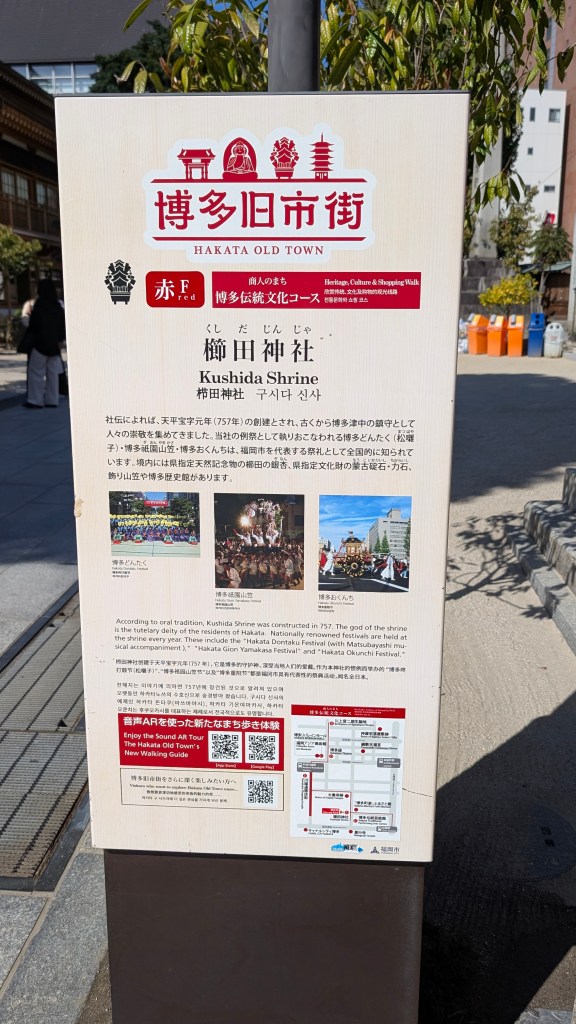
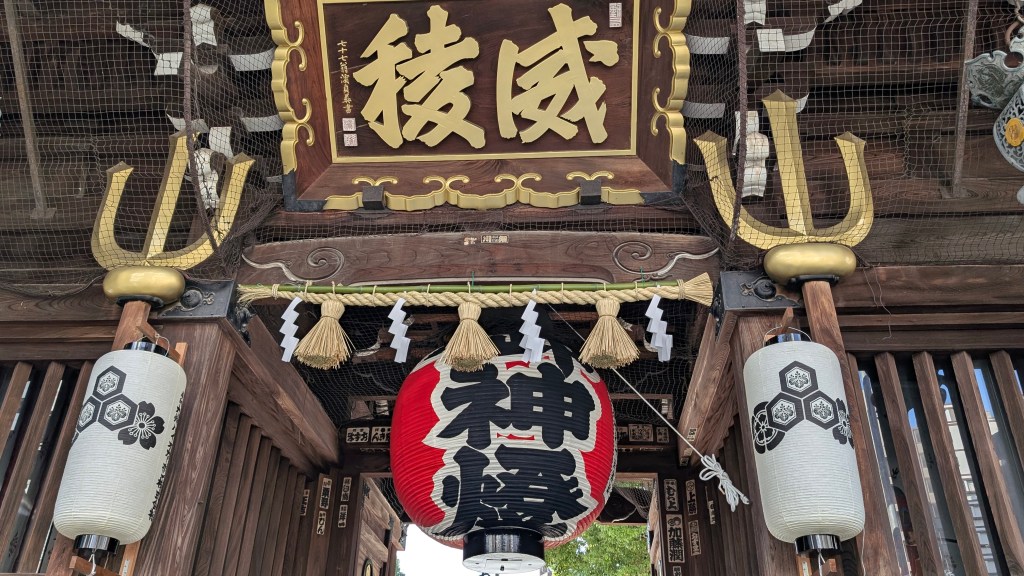
Kushida Shrine or “Okushida-san,” as it is affectionately called by locals and founded in 757, is the oldest shrine in the city and known as the guardian shrine of Hakata. Towering over the entrance to the shrine is the Kushida Ginkgo Tree (Kushida no Gian), which at over 1,000 years old, is widely revered as a symbol of longevity and family prosperity. Its leaves turn a brilliant golden color every autumn, and paired with a nearby male tree, the two represent husband and wife trees symbolizing matrimonial happiness. Shrine priests and maidens host an annual harvest event to gather ginkgo nuts, which are later handed out as good-luck charms.
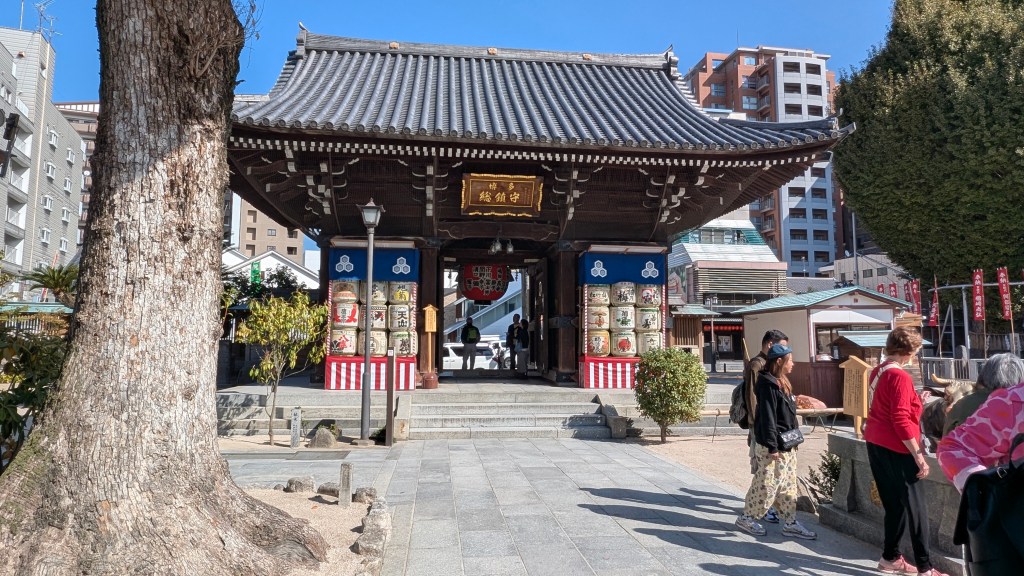
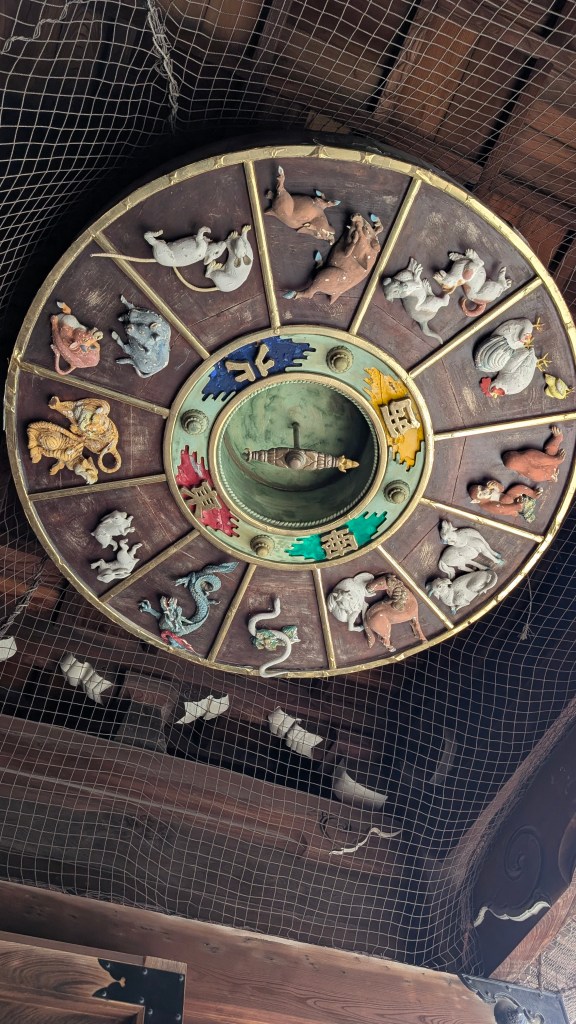
Locals love this spiritual oasis hidden among the modern office buildings and shopping malls, and it has become the city’s epicenter during its summer festivals, the Hakata Gion Yamasaka and Hakata Okunchi which start at the shrine.
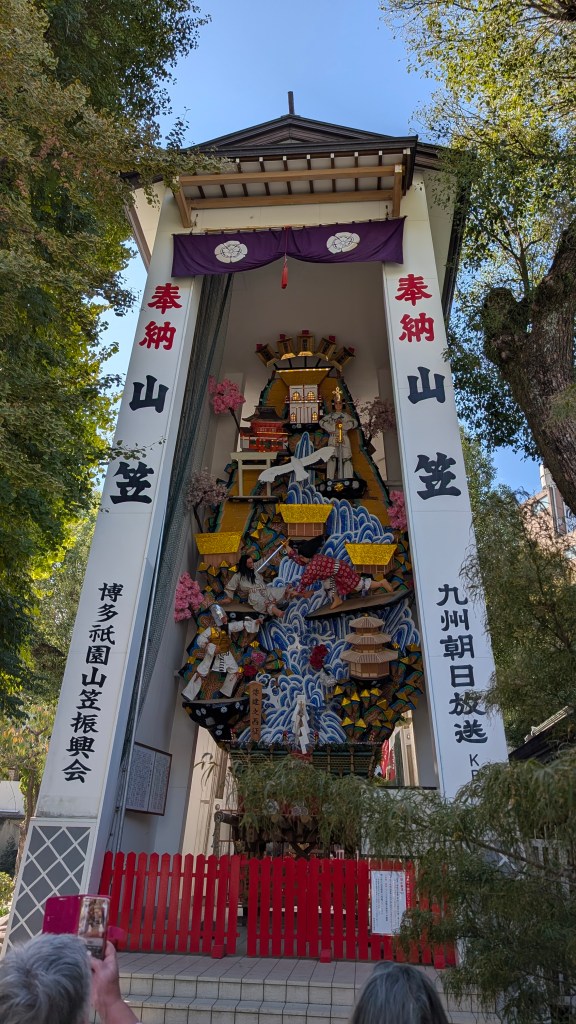
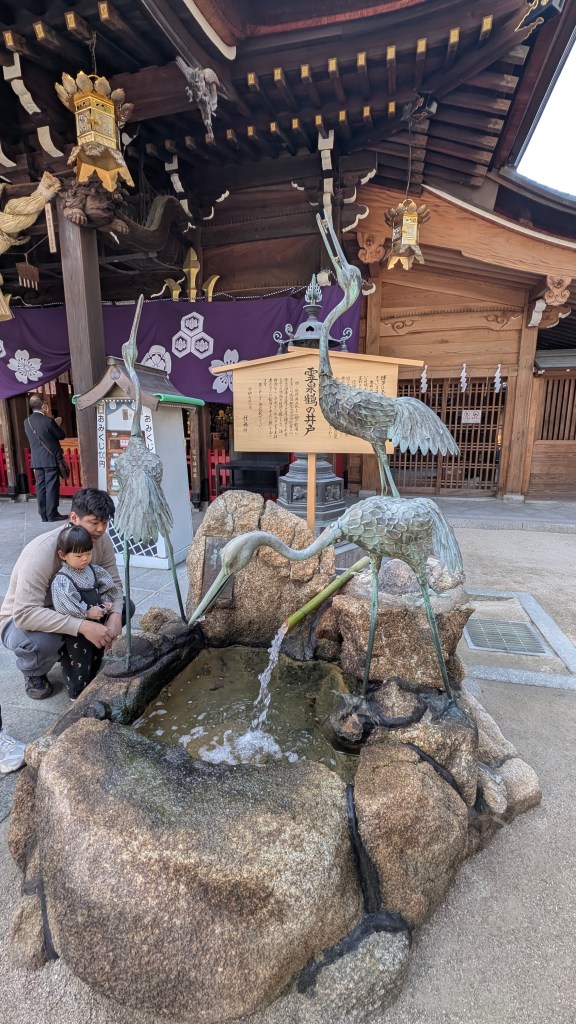
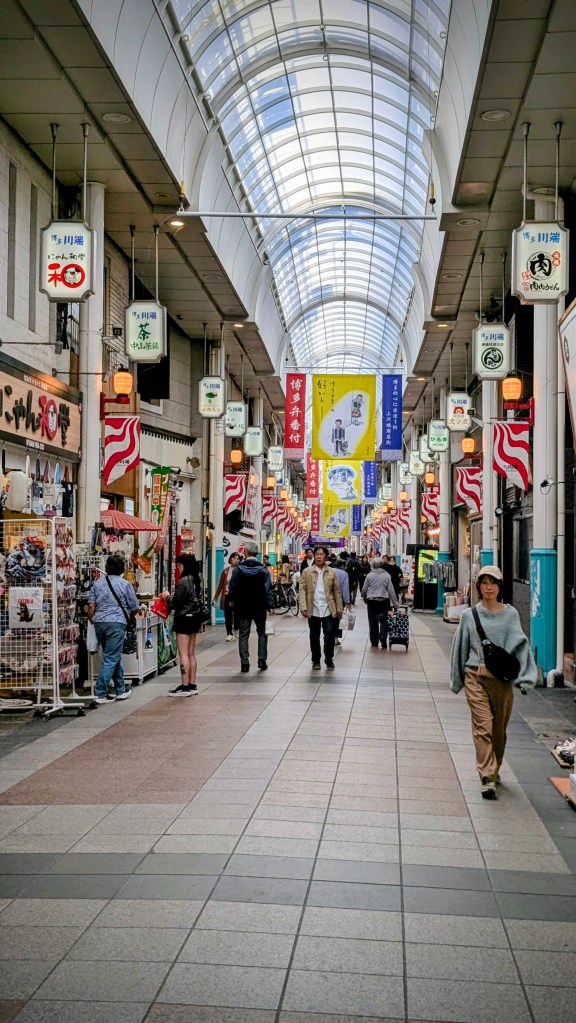
Kushida Shrine is also only a stone’s throw from the popular Canal City Shopping Mall where you can shop till you drop or feast on amazing Japanese dishes at the many food outlets.
Getting There: Kushida Shrine is about a 10 minute walk from Hakata JR Station.
Location: 1-41 Kamikawabatamachi, Hakata-ku, Fukuoka-shi, Fukuoka 812-0026
Opening hours:4:00-22:00 (Shrine office: 9:00-17:00)
Book a Guided Tour:
Fukuoka: Hakata Temple District Guided Walking Tour
Discover the heart of Hakata on a guided walking tour. Visit Tochoji Temple, Shofukuji, and Kushida Shrine, and learn about the history and culture of this charming area.
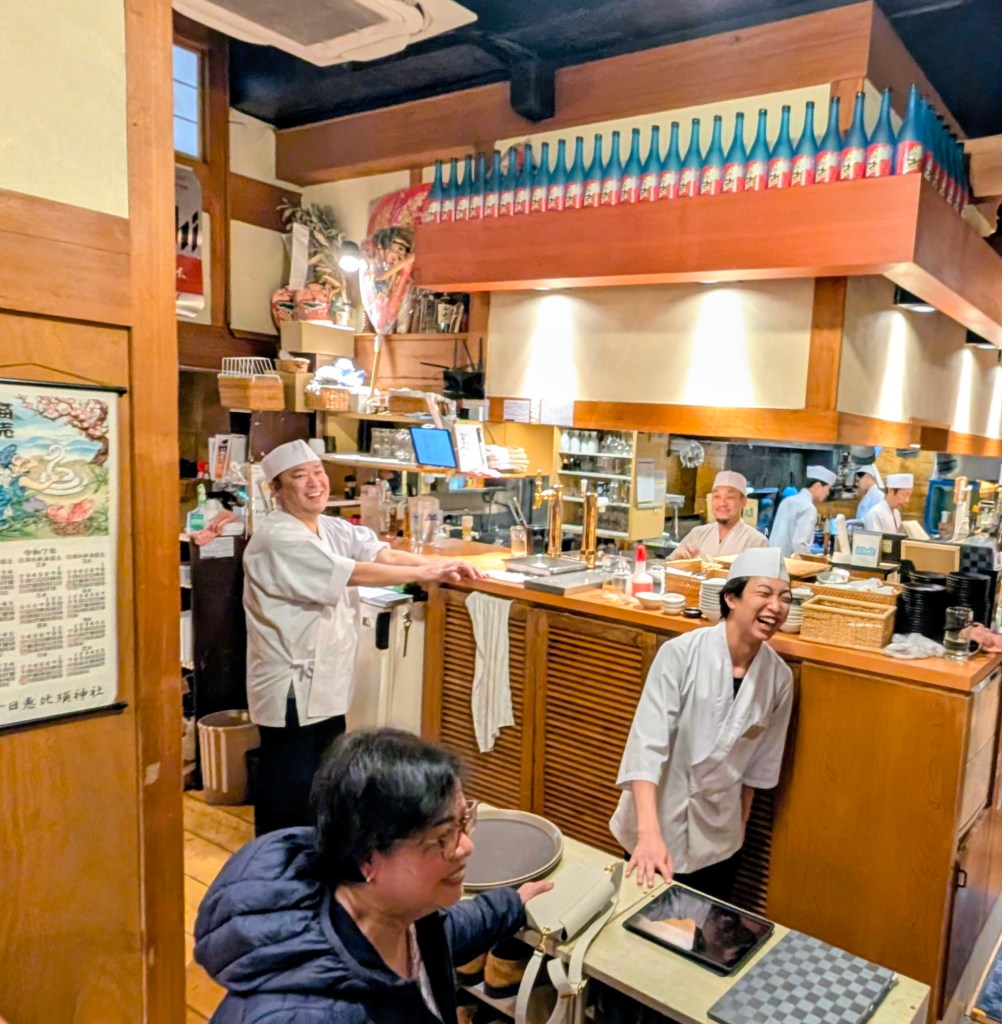
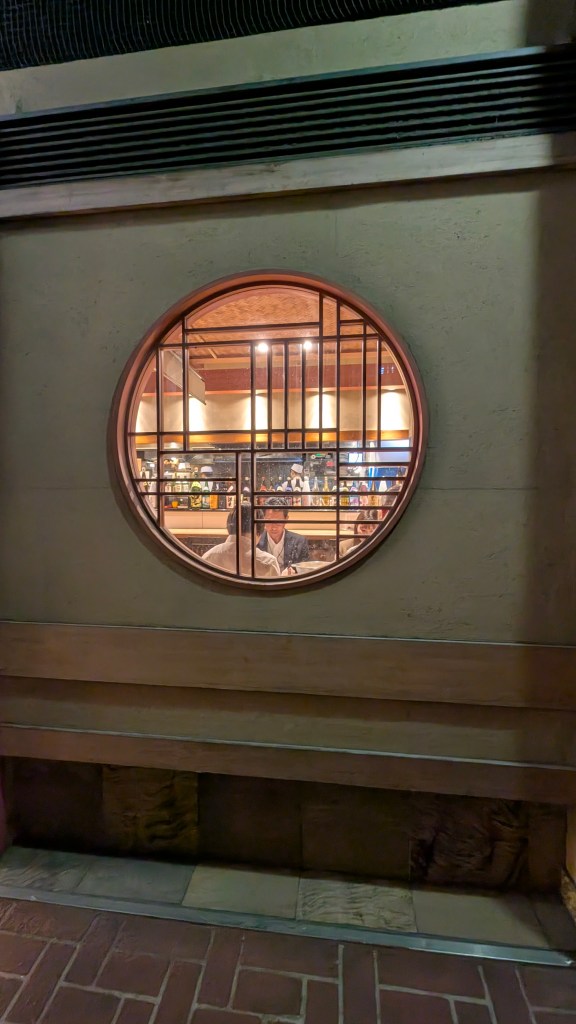
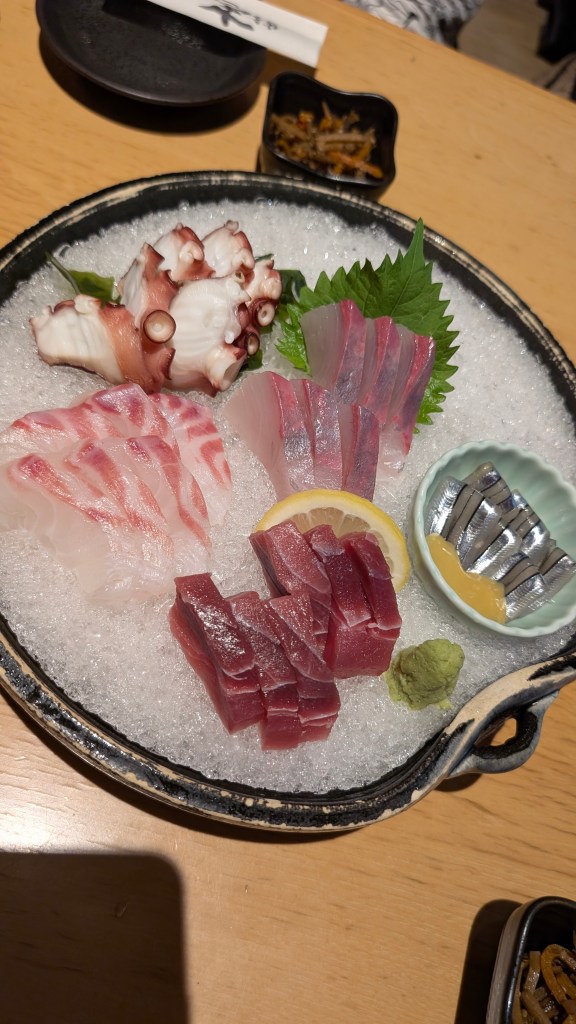
Dinner: Hakata Ichi Izakaya
Hakata Ichi is a seafood and motsunabe izakaya restaurant offering private rooms, course meals and a wide selection of delicious Hakata dishes, including beautiful, transparent Yobuko squid, fresh, plump sesame mackerel, motsunabe (offal hotpot), mizutaki (hot pot), and more. The staff here are very helpful, striving to ensure that guests enjoy their meal and are always on hand to assist foreigners in understanding the meal options on offer.
We enjoyed a private room for our group and had a great night!
Address: 2 Chome-10-12 Hakata Ekimae (a 3-minute walk from Gion Station)
Day 3 – Kagoshima Prefecture
Fukuoka – Kagoshima – Kirishima
Ride the Shinkansen:
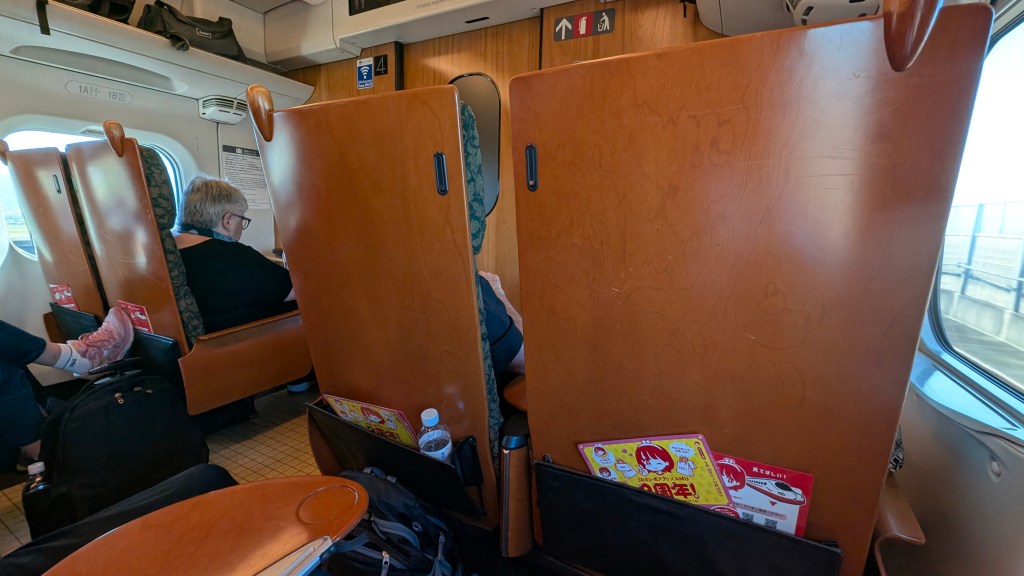
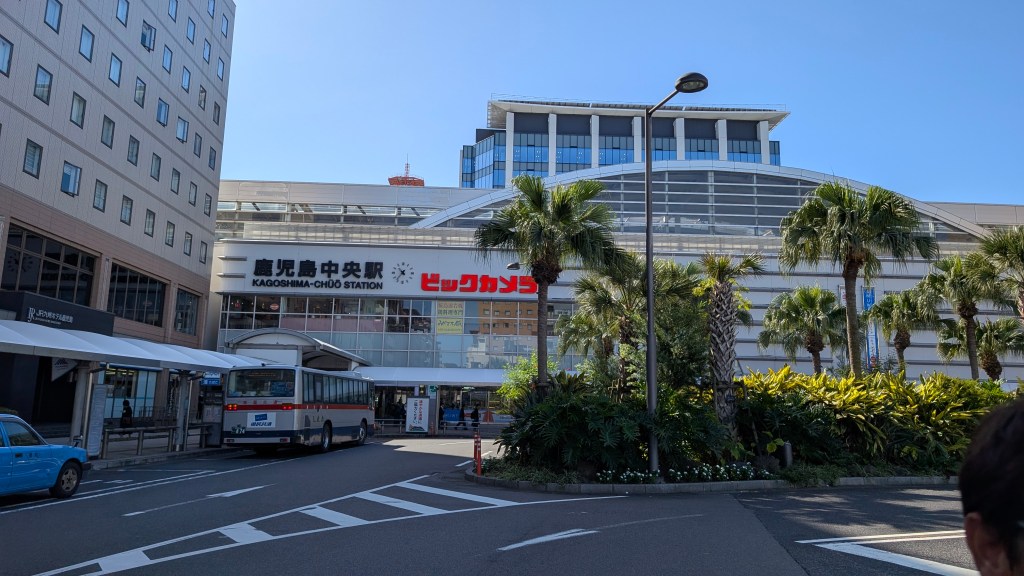
Today, jump on the Shinkansen (Bullet Train) for a smooth and speedy (approx 270 kmph) ride through cities and countryside as you head down the west coast of Kyushu to Kagoshima. The journey takes approx 1 hour & 20 minutes, arriving at Kagoshima Chuo Station.
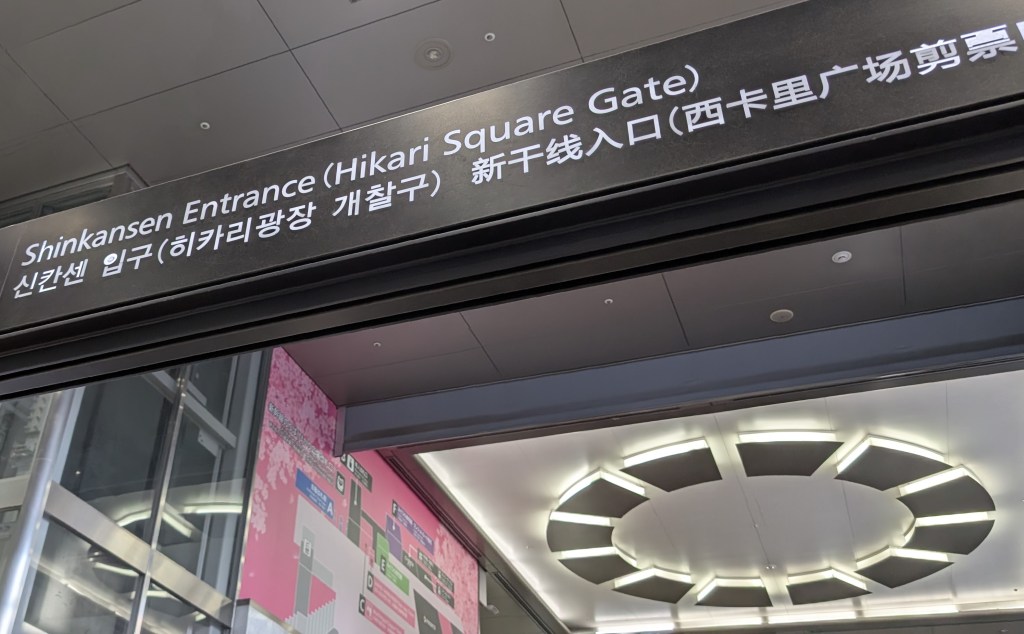
Book Official Japan Bullet Train Tickets – Kagoshima to Fukuoka Shinkansen and more.
Discover more Shinkansen timetables, journey times and ticket prices at Trip.com
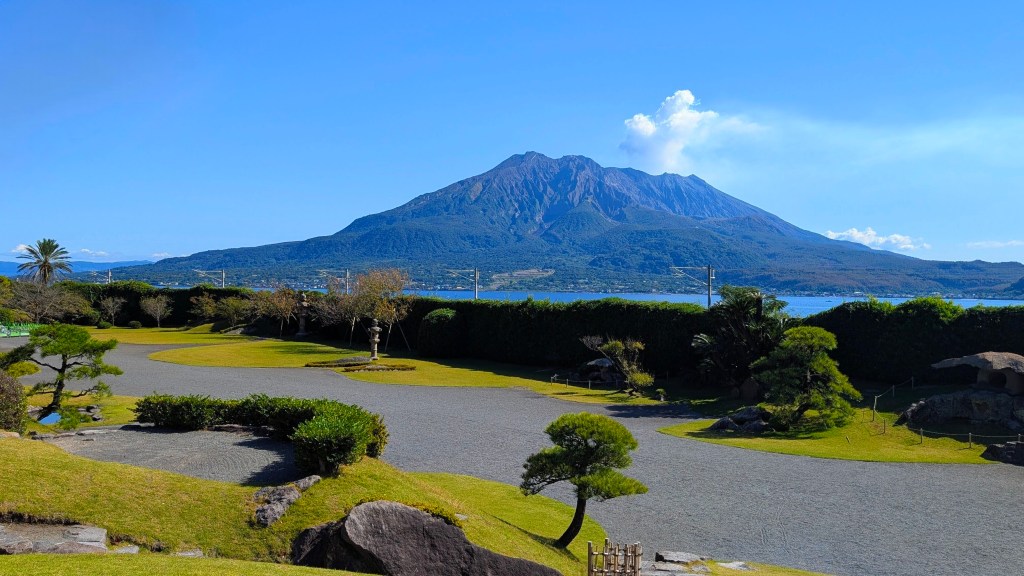
Kagoshima Travel Guide – A Helpful Resource for Planning Your Trip – Use this article’s guide to Kagoshima’s highlights, access information, and sample itineraries. It should help you build the perfect travel plan for your trip.
Shiroyama Park Observatory:
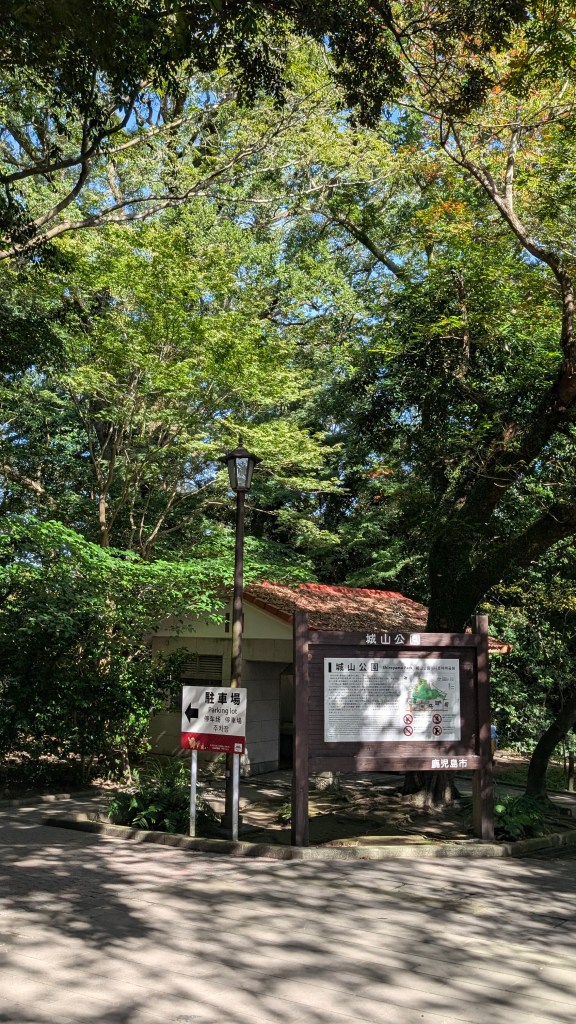
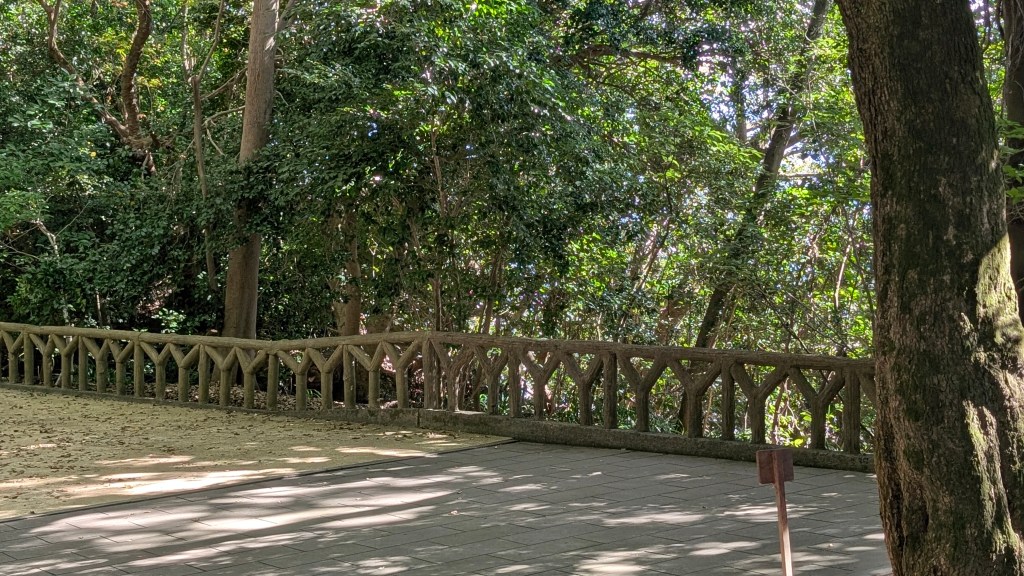
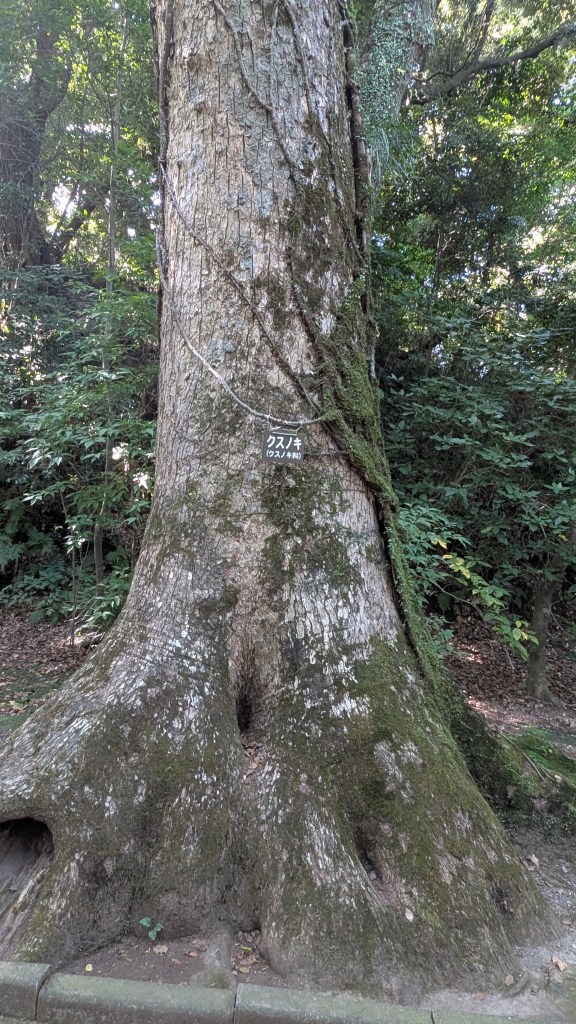
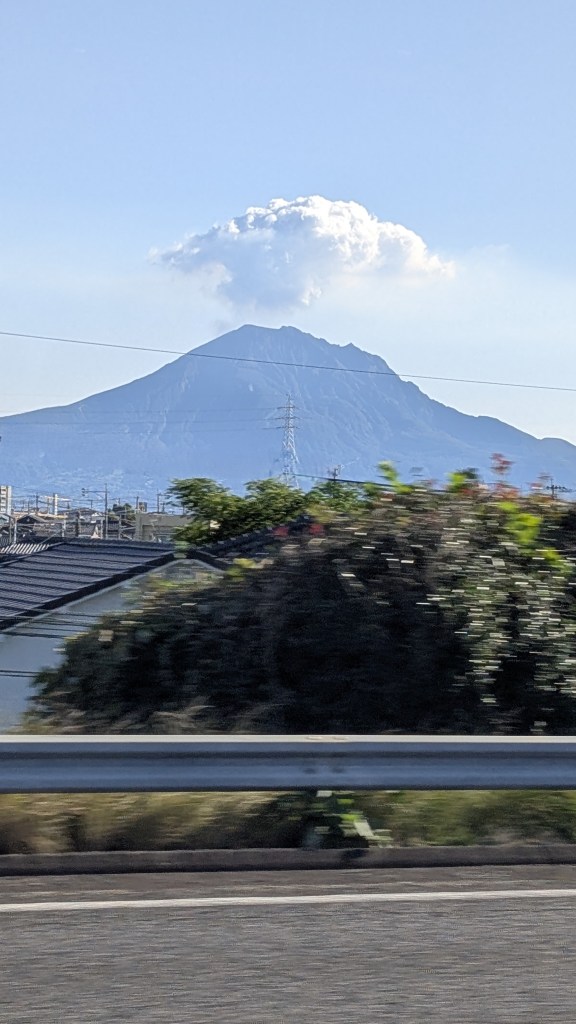
Your first stop in Kagoshima must be at Shiroyama Observatory, where panoramic views of Kagoshima City and its majestic surroundings unfold before your eyes. Sitting atop 104m high Shiroyama Hill (Castle Mountain), overlooking Kagoshima Bay in the heart of Kagoshima’s downtown area, the observatory is in turn, overlooked by the magnificent 1,117m high active volcano, Sakurajima. Walk the 2km Shiroyama Nature Trail to enjoy peaceful ‘forest bathing’ while discovering over 600 plant species and a profusion of birds and insects or take an early morning walk and be rewarded with a stunning sun rise behind Mt. Sakurajima. At dusk, witness the magical golden glow of Kagoshima’s city lights below as they twinkle on at night.
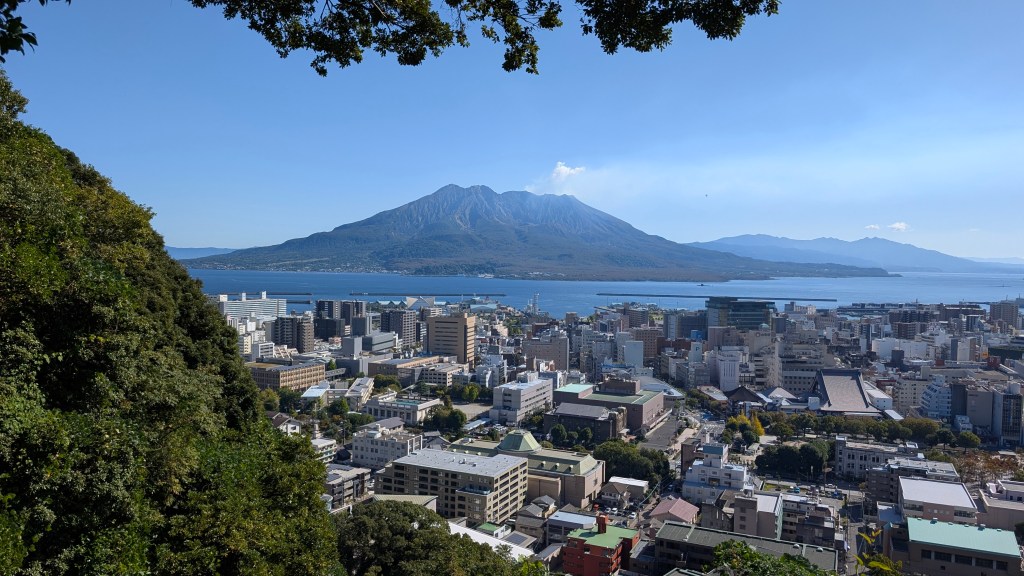
Shiroyama Park is also home to many historic sites that tell the story of the Satsuma Rebellion, an uprising against the government by the Samurai class in 1877. The leader of the rebellion was Saigo Takamori, who met his end at this very spot. At Saigo Takamori Shuen no Chi a monument now stands, while nearby Nanshu Park is home to his grave.
Near the observatory stands a statue marking the site of the the Satsuma Army’s rebellion headquarters – Seinan Sensou Satsugun Hon’ei Ato. Lastly, just near the entrance to the Shiroyama Nature Trail stands the Terukuni Shrine. Founded in 1864, it was destroyed by the Satsuma Rebellion in 1877, then by air raids during the Pacific War. It has since been rebuilt and expanded, and is a special place to visit before commencing your hike.
Getting There:
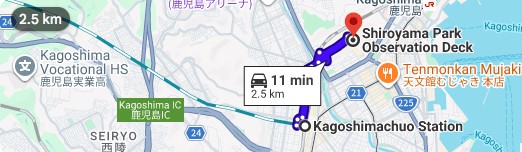
- From Kagoshima-Chuo Station, take the Kagoshima City View Bus (Shiroyama-Iso line) directly from the station. The scenic loop ride takes about 25 minutes, costs ¥190 one-way, and drops you off at the Shiroyama stop, just a short 2-minute walk from the viewpoint.
- Alternatively, a car or taxi takes only 10 – 15 minutes.
Location: Located in Shiroyama Park – 22-33 Shiroyamacho, Kagoshima, 892-0853, Japan
Opening Hours: Open 24 hours daily
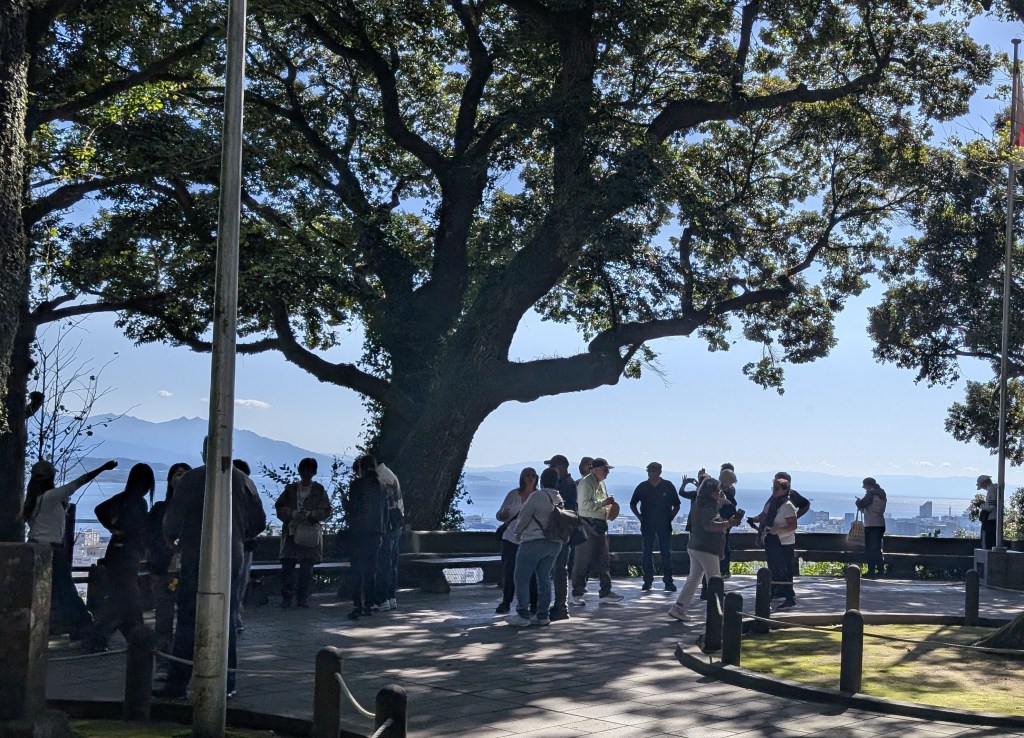
A Scenic Travel Guide to Shiroyama Park Observatory: – Learn more about food, sightseeing and places to stay near Shiroyama Park.
Senganen Garden:
Next, with Sakurajima still in your sights, but this time from ground level, immerse yourself in the tranquillity of Senganen Garden, a UNESCO World Heritage site, where over 12 acres of traditional Japanese Gardens and historical charm converge harmoniously.
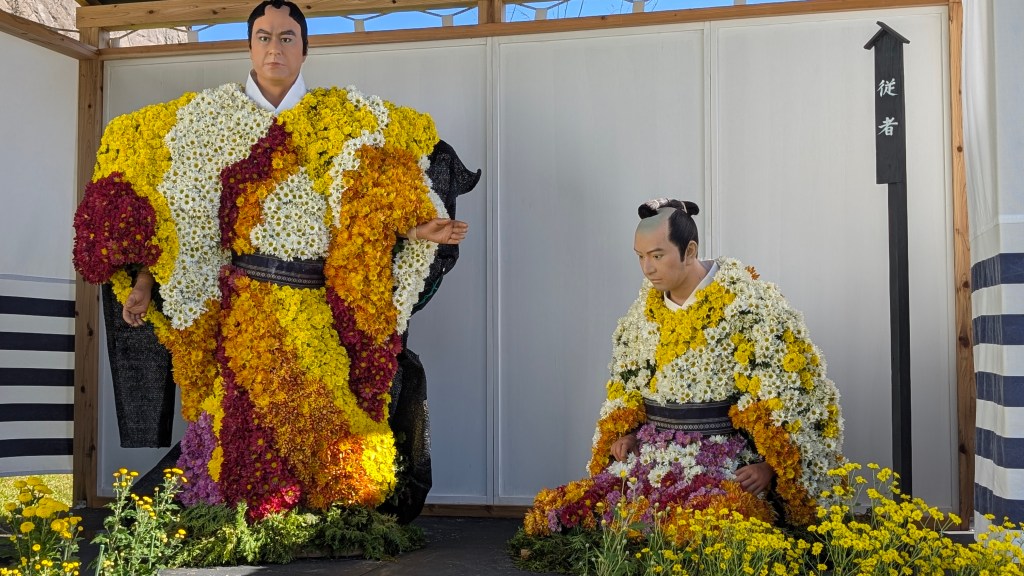
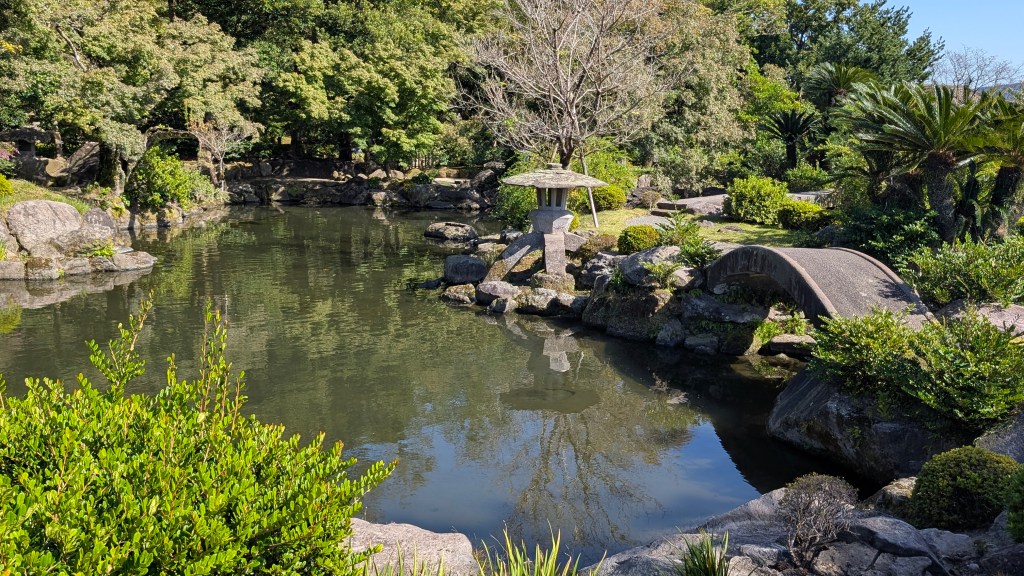
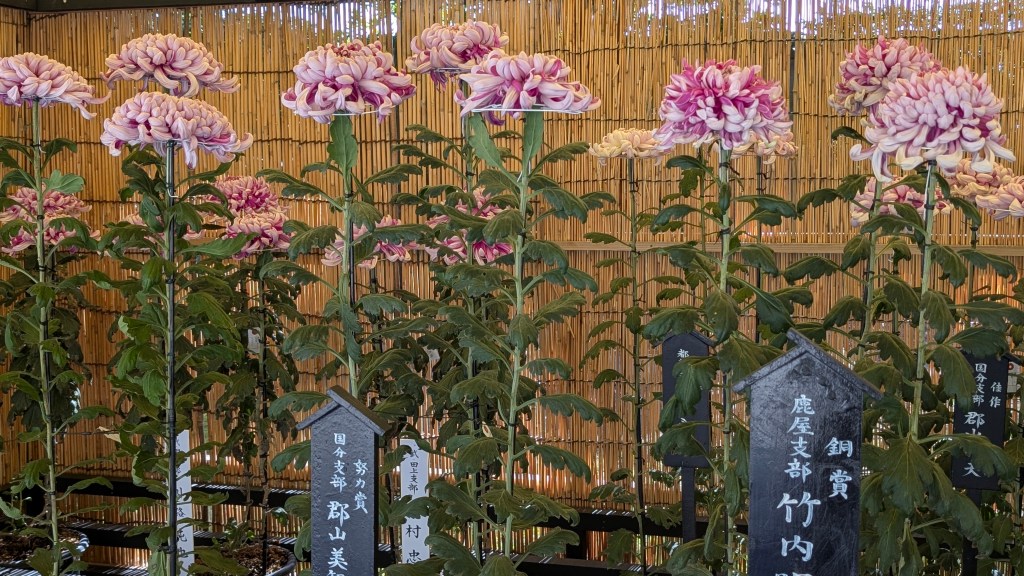
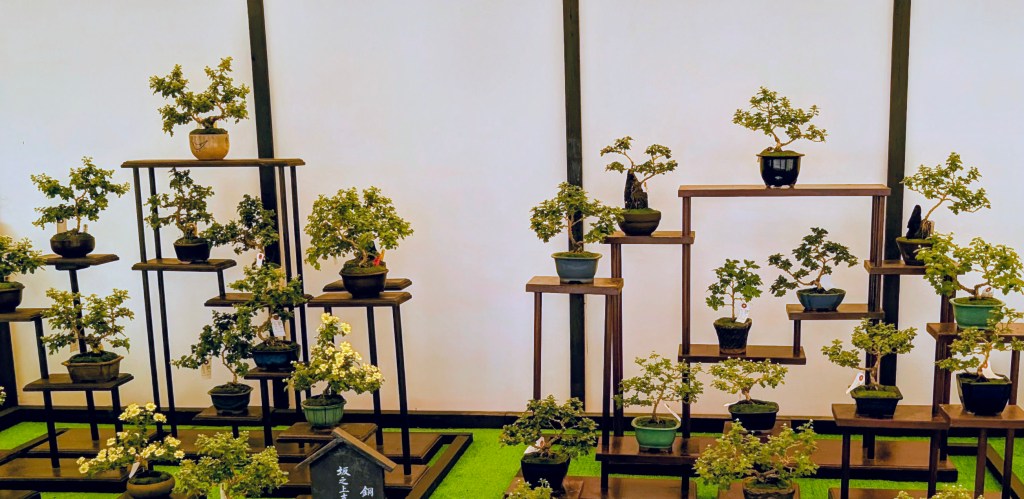
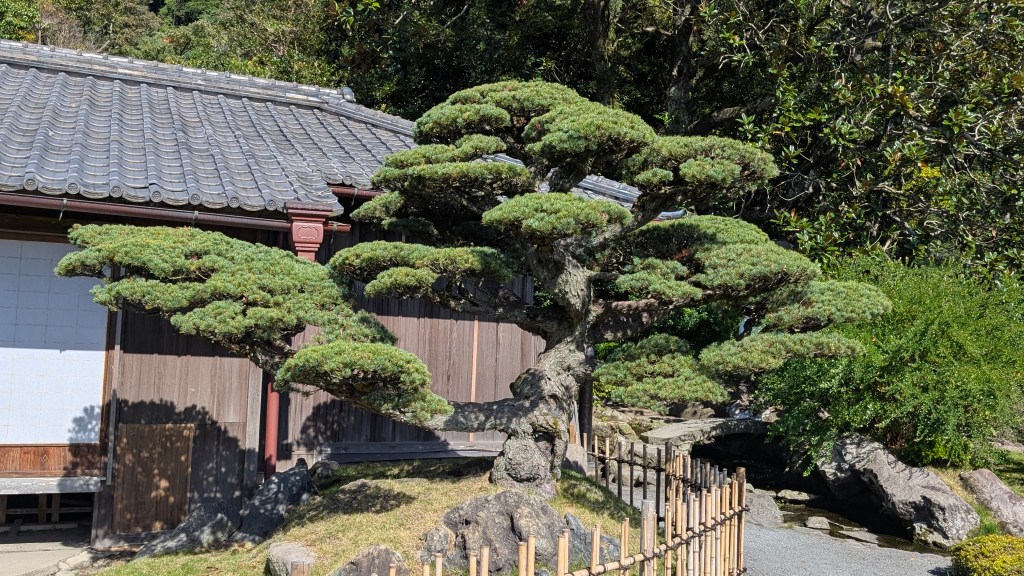
Wander these beautiful Japanese-style gardens built in 1658 and discover pretty ponds, bubbling streams, flowering displays, a traditional tea room, a bamboo grove and even a Cat Shrine with a fascinating history and story….
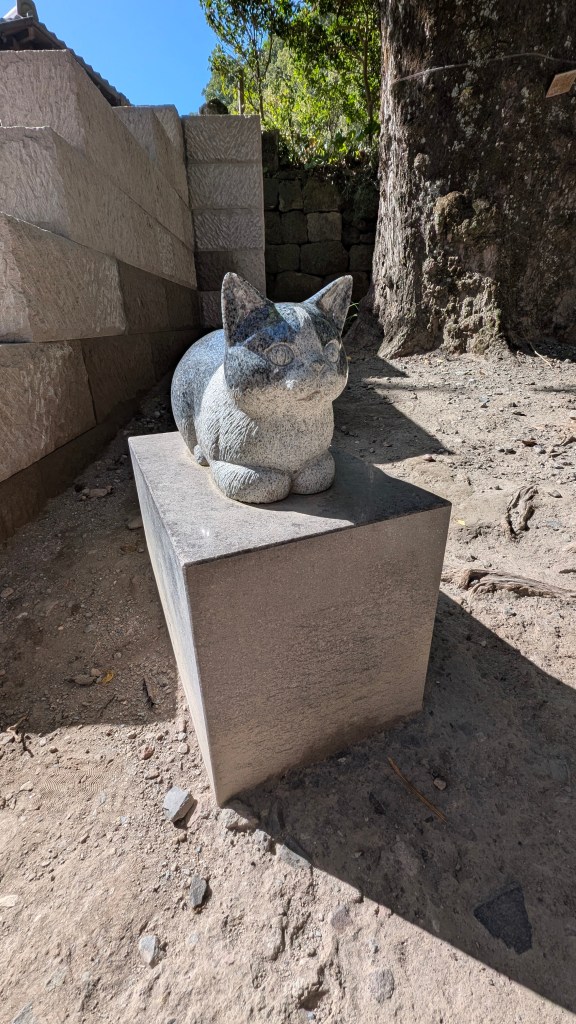
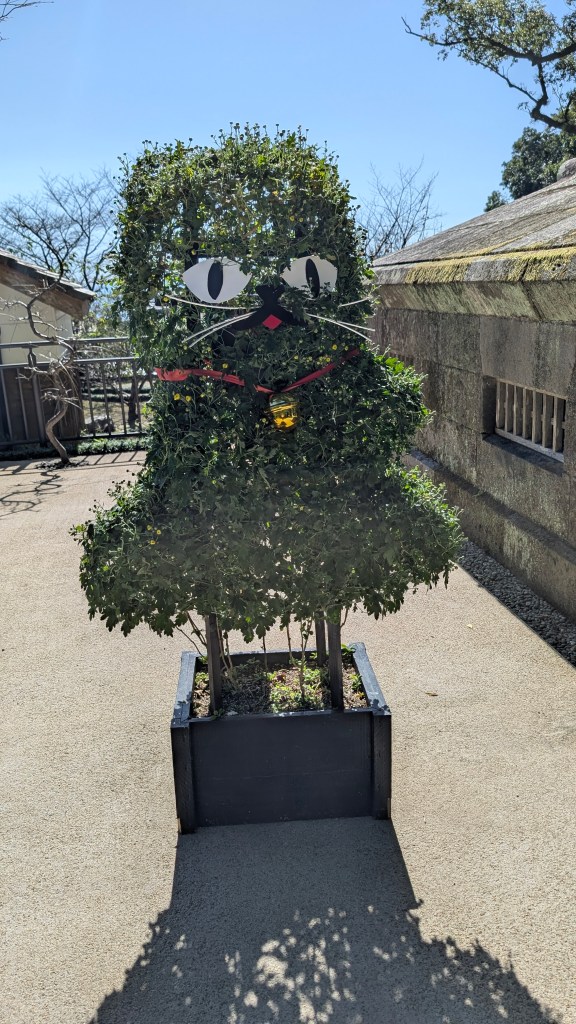
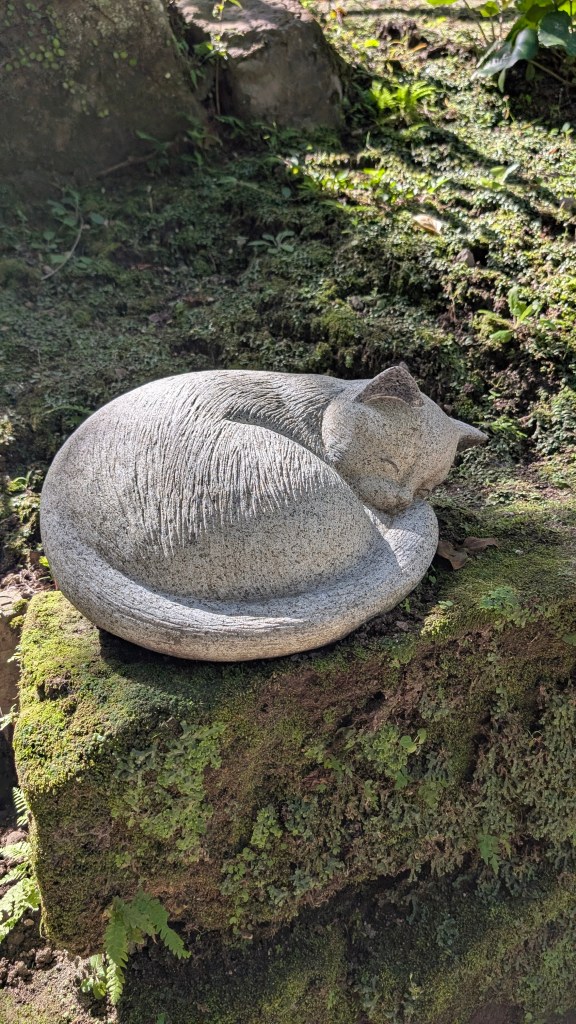
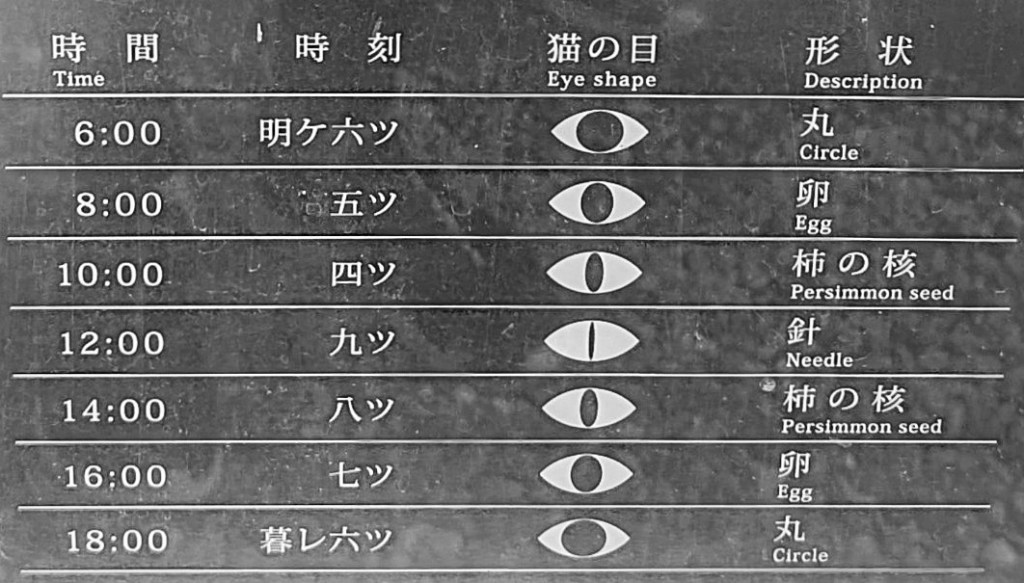
In the late 16th century military leader Yoshihiro Shimadzu was ordered to take an expeditionary army to Korea. He took seven cats with him, and by looking at their eyes, could accurately tell the time of day during battle – ‘Round at six, like an egg at eight and four, like a persimmon seed at ten and two, and a needle at midday”. Two out of the seven cats survived the journey back to Kagoshima and are now enshrined in the Cat Shrine at a quiet and secluded spot in Senganen Garden.
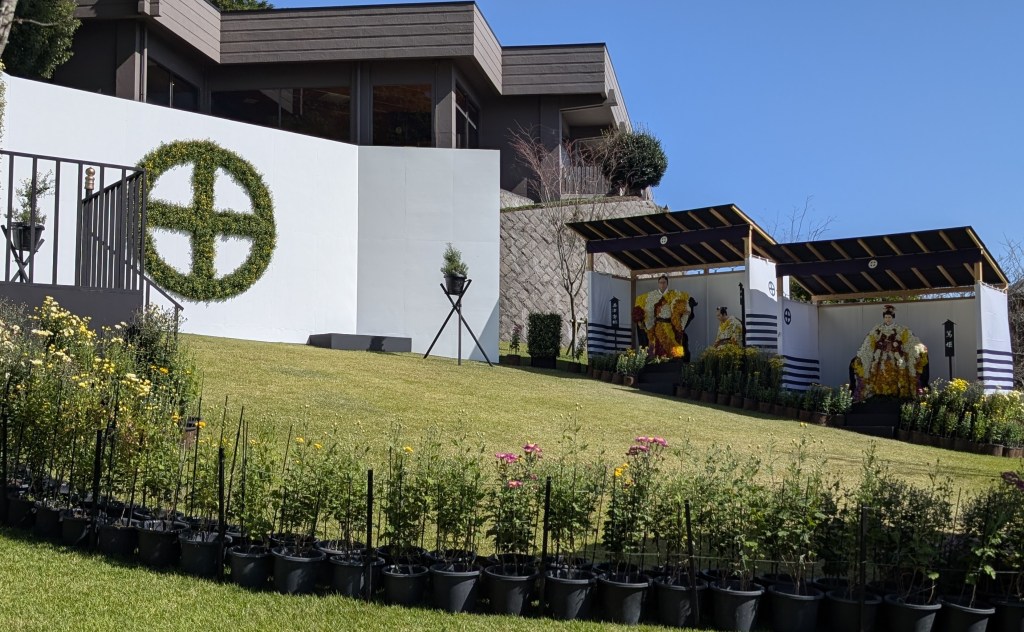
Senganen Garden – Set against the backdrop of Kagoshima Bay and the active volcano, Sakurajima, Senganen is one of Japan’s finest examples of a fuedal lord’s garden. Built in 1685 it is a must-see when visiting Kagoshima.
See What’s on at Senganen Garden
Getting There:
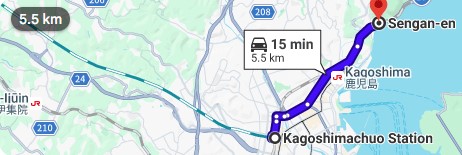
- Coming from Shiroyama Park, it’s approx 25 mins by bus + 5 min walk.
- The ride from Kagoshima Chuo Station takes 8 minutes, costs 240 yen and is covered by the Japan Rail Pass and Kyushu Rail Pass. There are one or two trains per hour.
- Alternatively, the garden can be reached by the City View Bus in about 50 minutes from Kagoshima Chuo Station.
Address: 9700-1 Yoshino-chō, Kagoshima, 892-0871, Japan
Opening Hours: 9:00am to 5:00pm
Kagoshima to Kirishima:
In the afternoon we head to Kirishima, a scenic volcanic region and national park straddling Kagoshima and Miyazaki prefectures, famous for its hiking trails, hot springs, and deep roots in Japanese mythology. We are heading to an authentic Japanese onsen (hot spring) resort. Nestled amidst lush landscapes, the resort offers a serene retreat, complete with soothing hot springs, and a kaiseki (traditional course) dinner featuring regional delicacies.
Top Kirishima Attractions:
- Kirishima Jingu: A stunning, historically significant 6th-century shrine nestled in a deep forest.
- Kirishima Onsenkyo: A popular hot spring resort town high in the mountains offering traditional ryokan inns and therapeutic baths.
- Mount Karakuni: The highest peak in the volcanic range (1,700 meters), known for panoramic hiking trails and crater views.
- Mount Takachiho-no-mine: A legendary mountain tied to Japanese mythology where a heavenly spear marks the descent of the god Ninigi no Mikoto.
- Maruo Falls: A scenic waterfall along the main road featuring warm mineral water fed from nearby hot springs
Getting There:
- The limited express train from Kagoshima-Chuo Station to Kirishima-Jingu Station takes about 50 minutes (approx 2,000 yen).
- Kirishima-Jingu Station to the Kirishima Hotel takes approximately 20 minutes by car
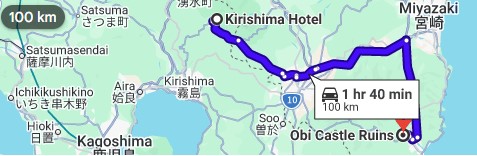
- Drive direct to Kirishima Hotel from Kagoshima-Chuo Station in roughly 1 hour 10 minutes
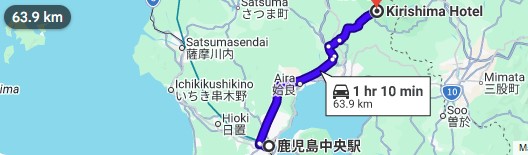
O/Nite: Iwozan Onsen Kirishima Hotel
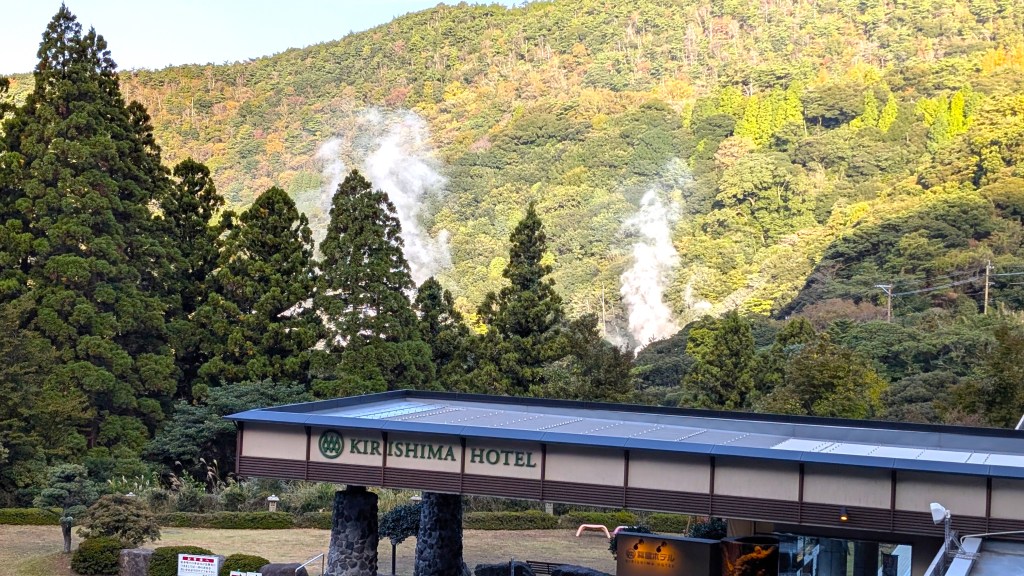
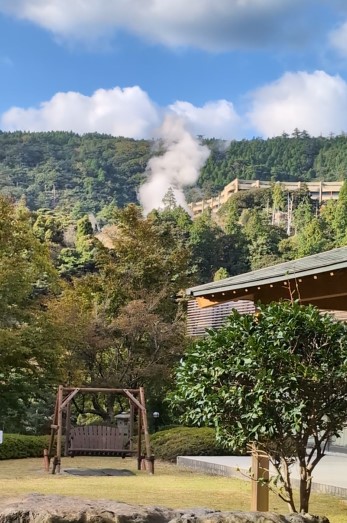
The Kirishima Hotel is perched high in the Kagoshima mountains, where pockets of billowing hot steam and pine forests merge into one living, breathing landscape. At this special place you’ll experience authentic Japanese hospitality and soothing hot spring waters which eminate from 300 year old ancient Sulphur Valley hot springs.
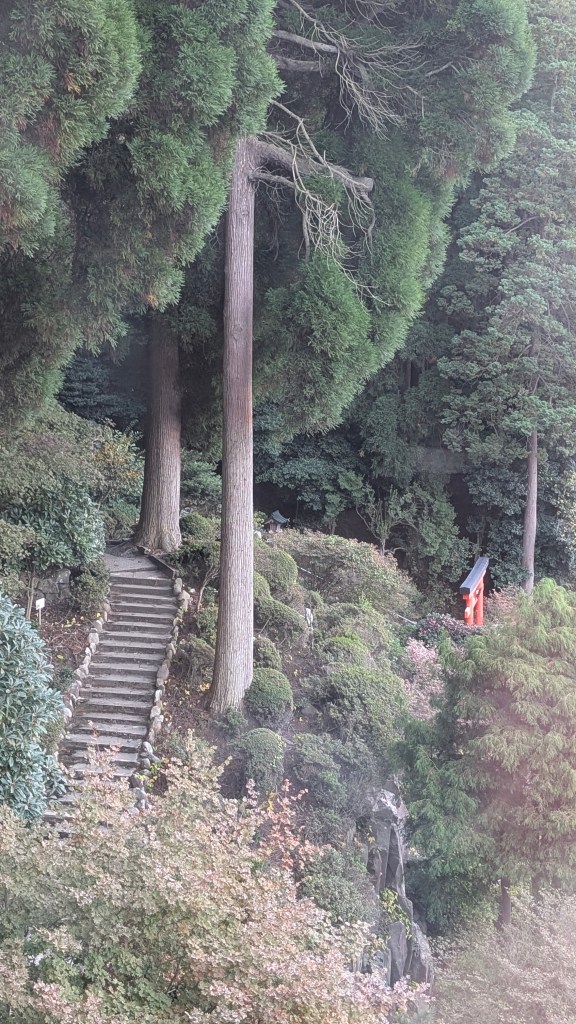
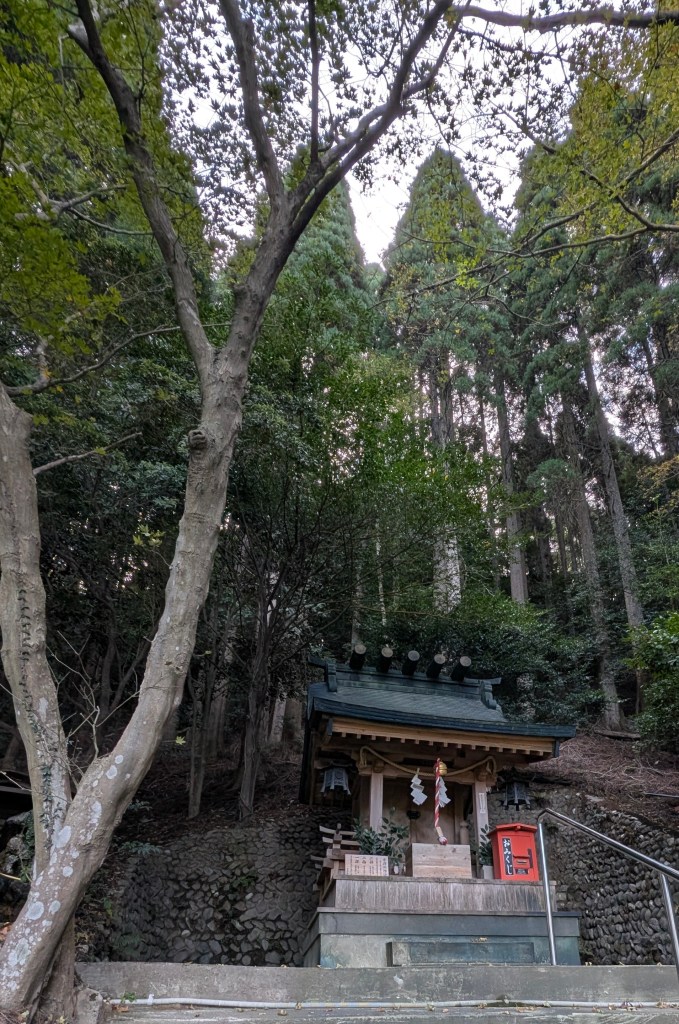
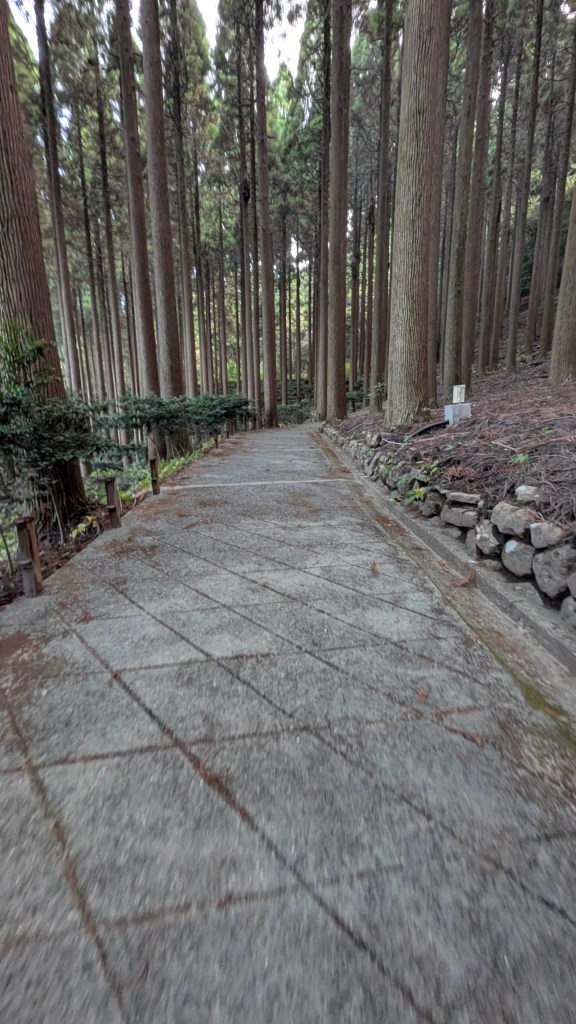
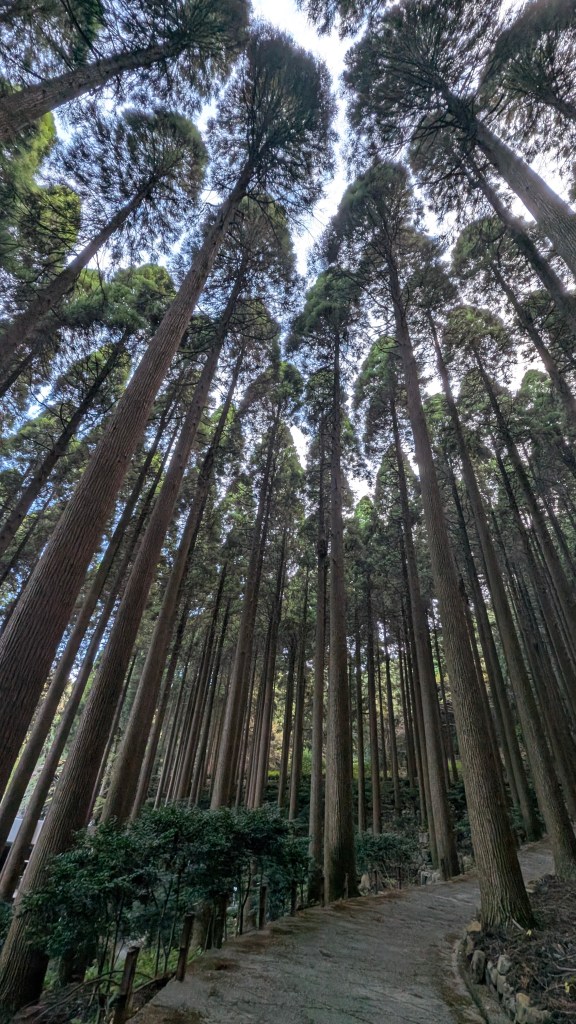
This beautiful Iwozan Onsen (hot spring) resort is nestled amidst tranquil gardens and boasts a majestic one hundred year old cedar grove, perfect for a meandering morning wander.
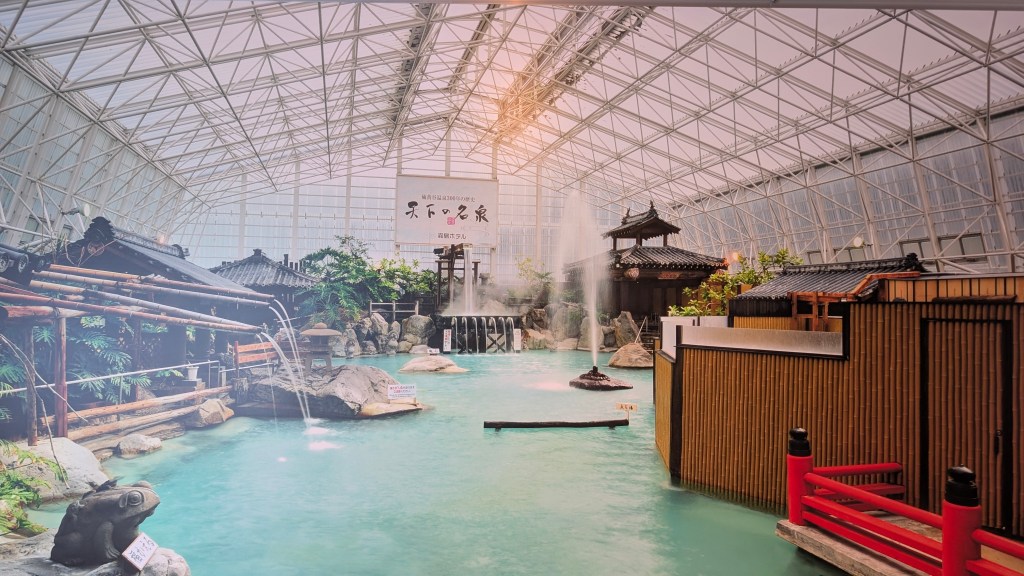
But the palatial Grand Bath onsen must be your first stop. A huge steaming hot sulphur pool where both men and women can bathe together (at a designated special time, wearing towels if preferred). At 25m long and 1.4m deep, it is the largest bath in Kyushu and you can soak up to your shoulders while standing.
This steaming hot, cloudy sulfur bath made my skin feel silky smooth and soft, and the effect continued well into the next day (sigh!)
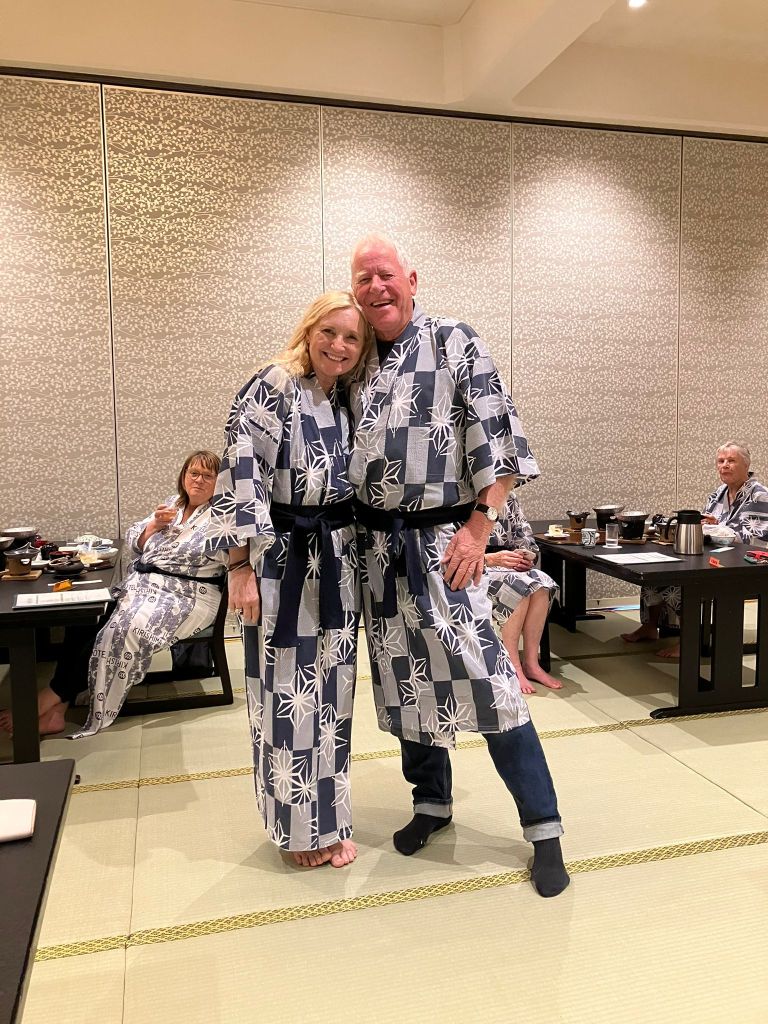
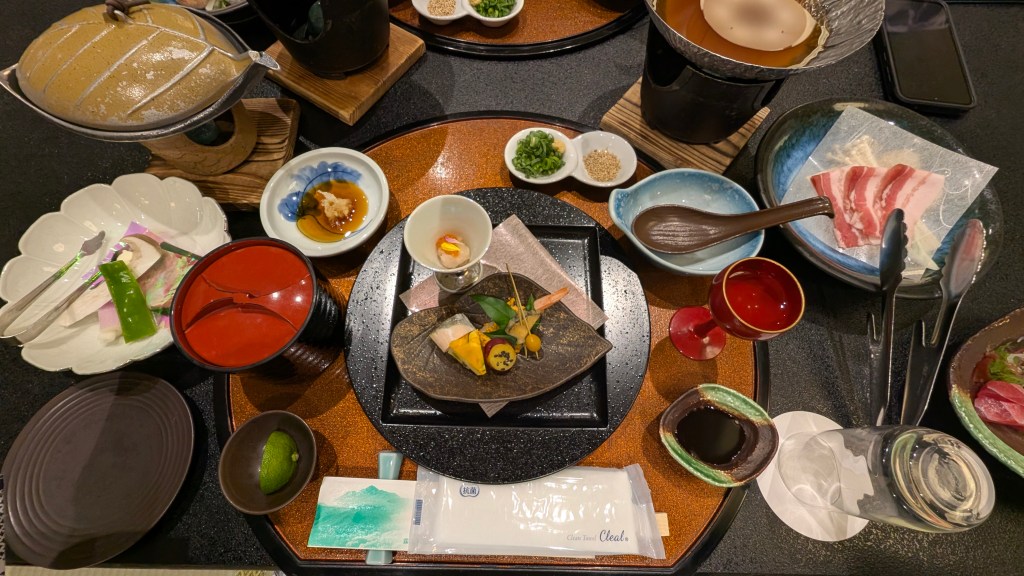
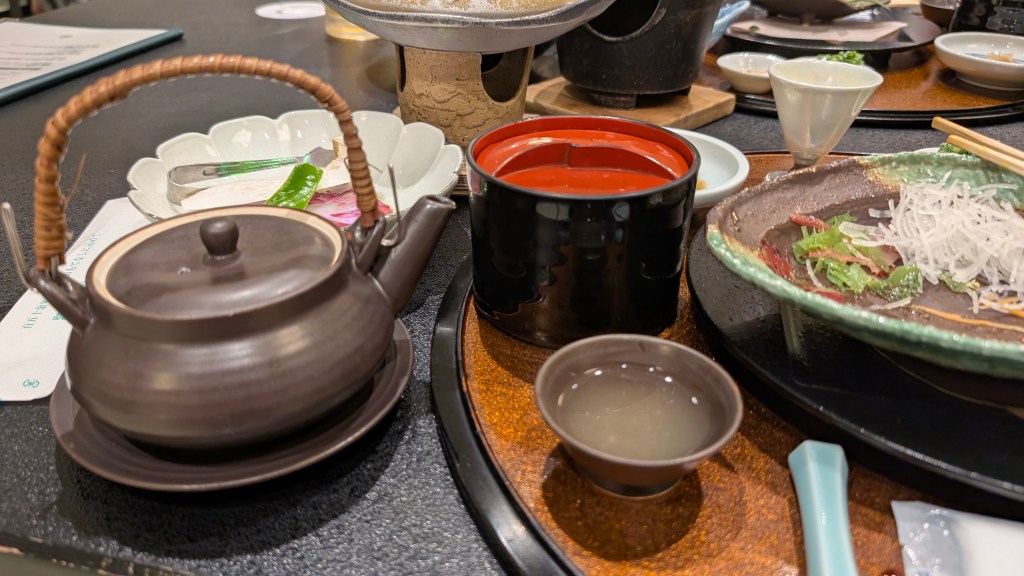
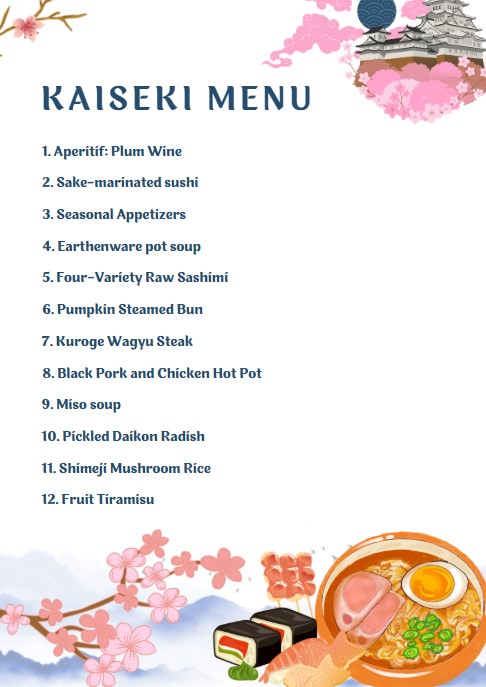
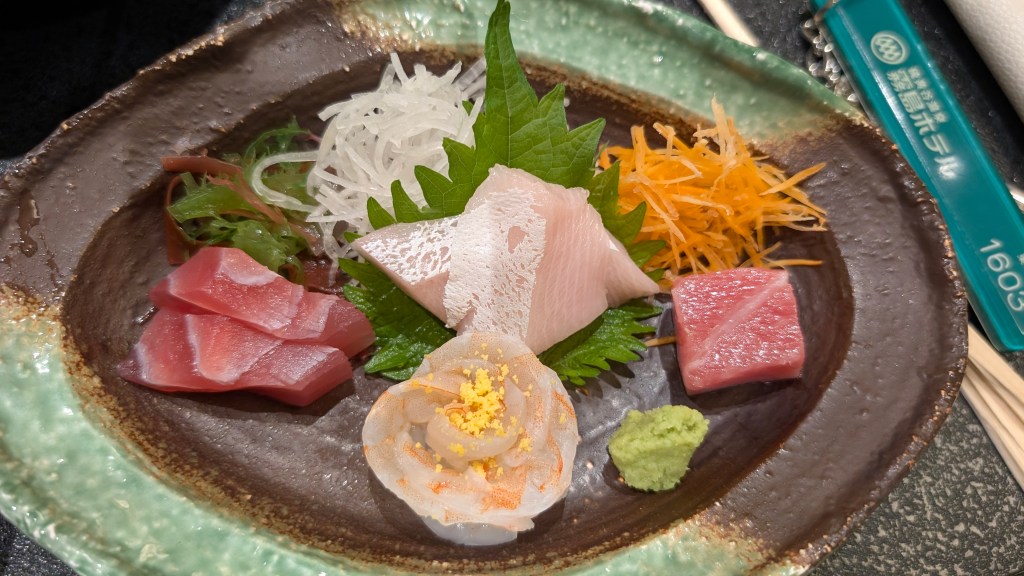
In the evening, dressed in yukata, we enjoyed a traditional kaiseki (traditional course) dinner featuring regional delicacies such as Japanese Black Beef Steak (“When you bring it to your mouth it makes your tongue feel so rich” – Kirishima Hotel) and Sakesushi, sushi made with sake instead of vinegar.
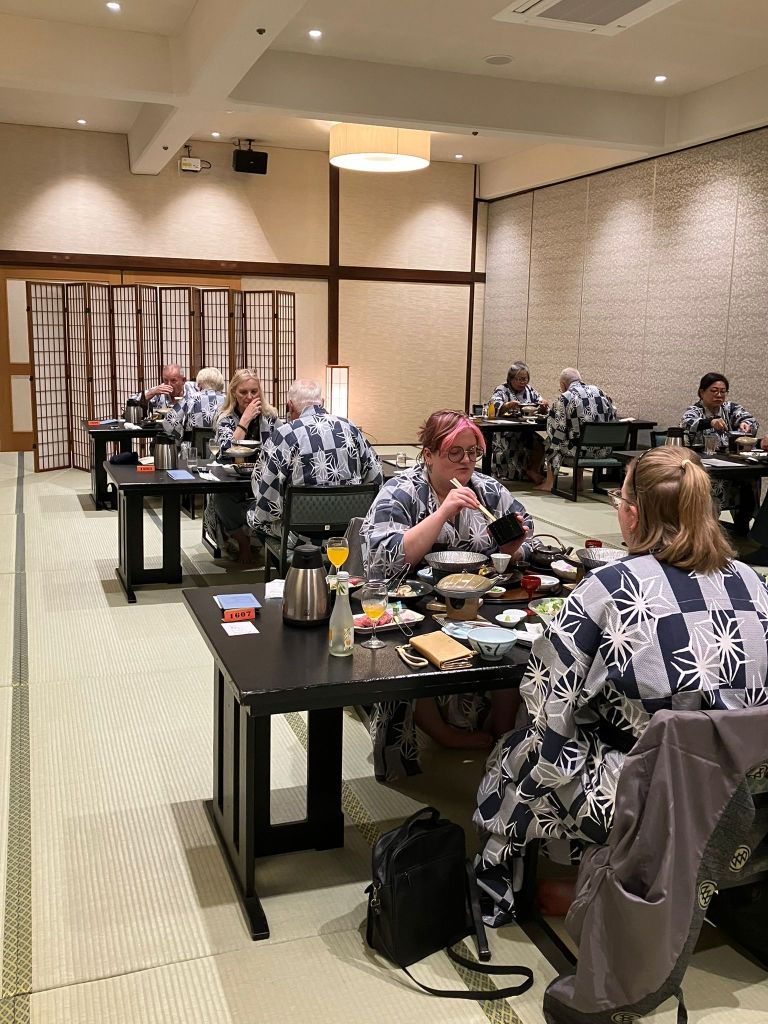
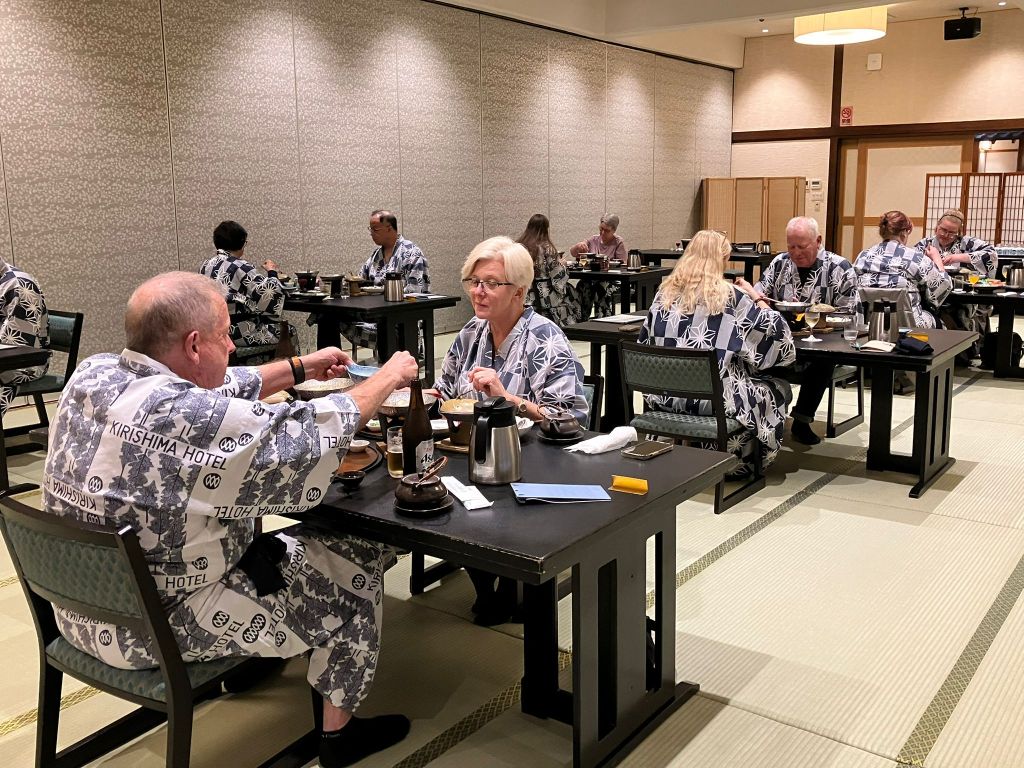
Twelve courses later, and we were ready to sleep it off! 
Day 4 – Miyazaki Prefecture
Kirishima – Miyasaki
Obi Castle Town:
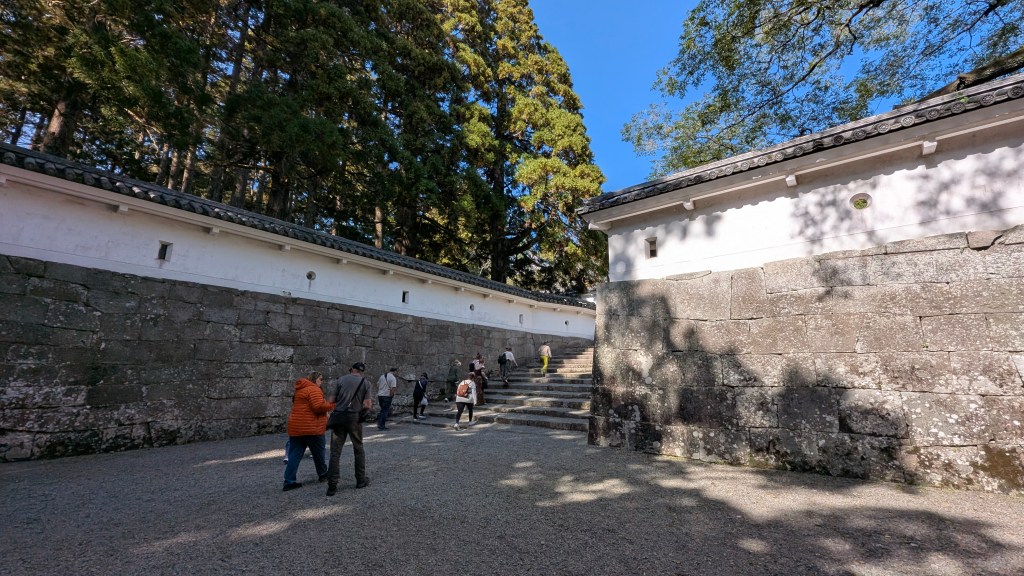
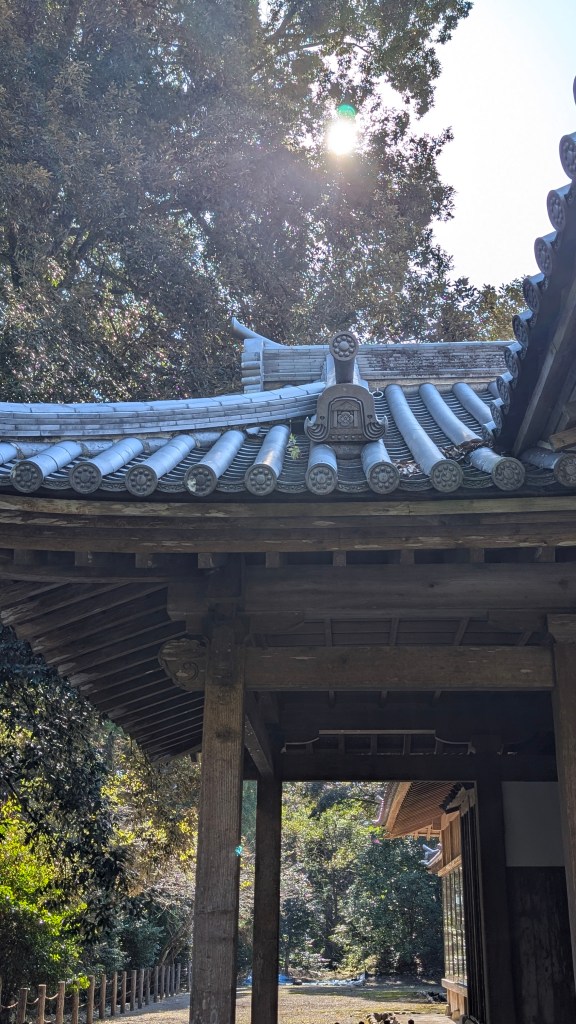
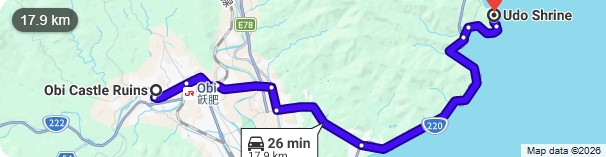
Today, head east towards Miyazaki Prefecture- famous for its lush green landscapes, scenic coastlines and place in Japan’s ancient mythology. On the first stop discover Obi Castle Town, a well-preserved samurai treasure trove which is sometimes referred to as Kyushu’s own ‘little Kyoto’. As you enter, explore the reconstructed Ote-mon main gate built with local Obi cedar and stone walls dating back to the Edo period, then take your time to wander the castle grounds, visit the many historical buildings, residences, and the Obi Castle History Museum. Here you’ll be treansported back to 1588 as you delve into life as a samurai lord with displays of swords, armor, weapons, and clothing.
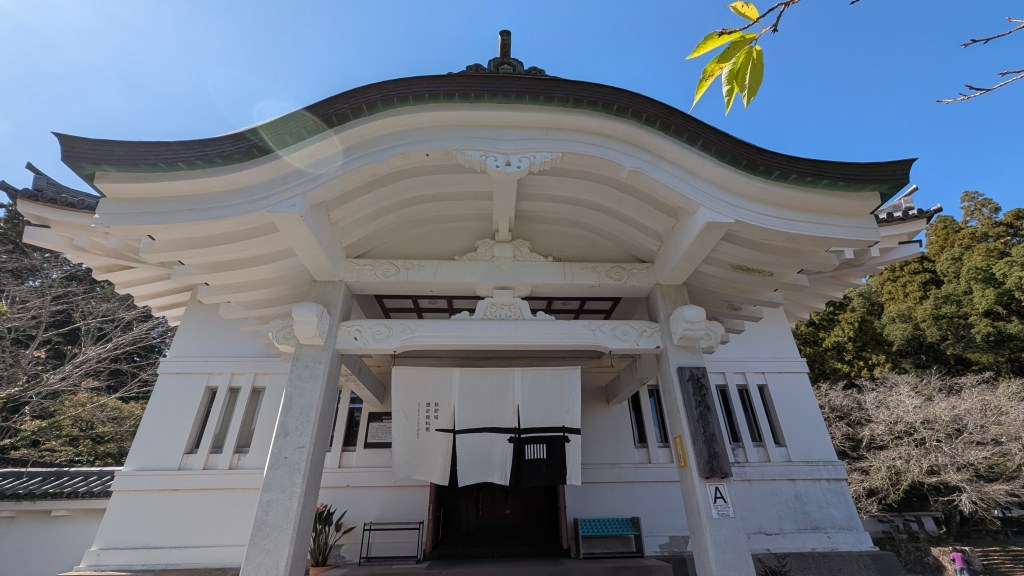
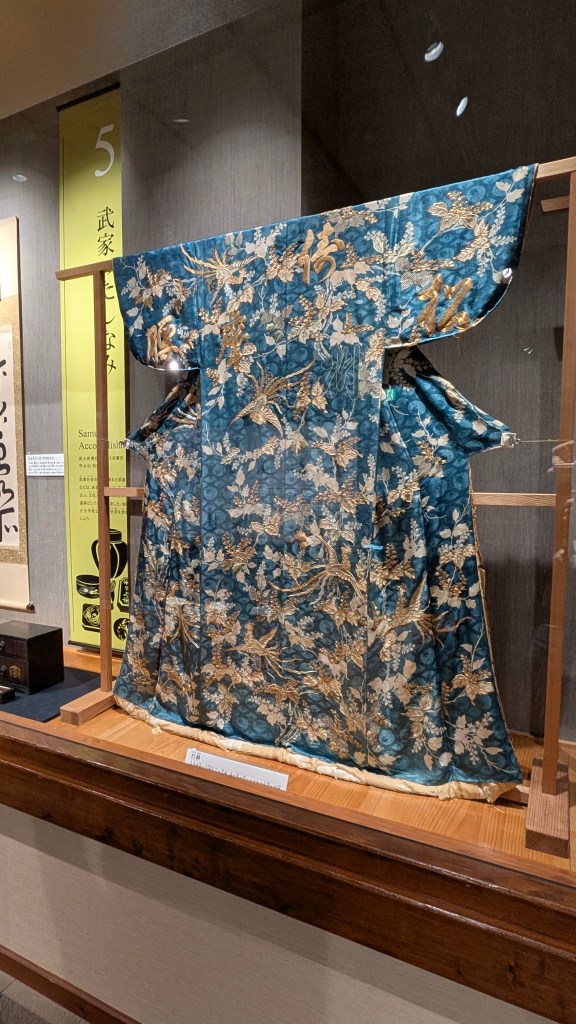
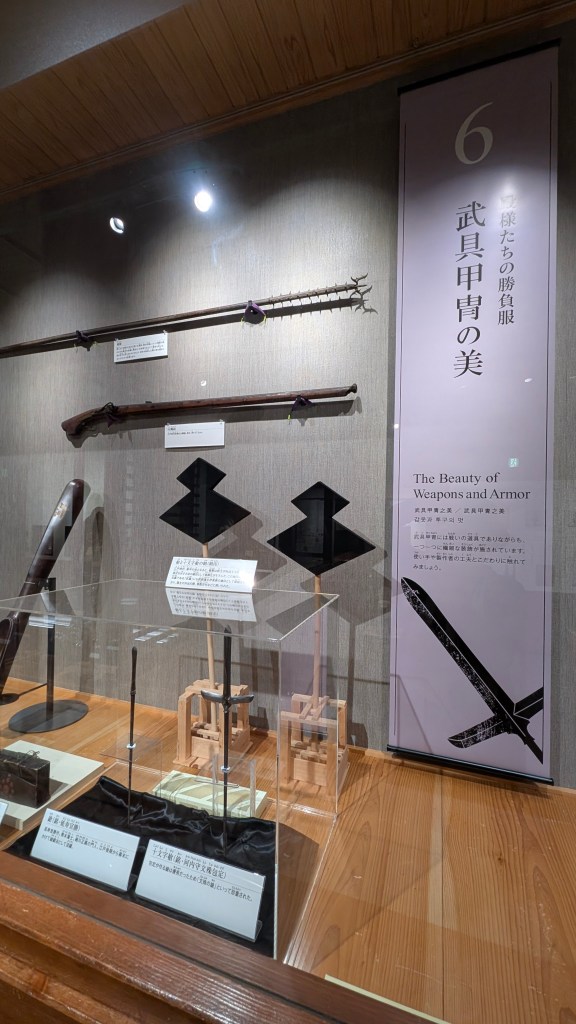
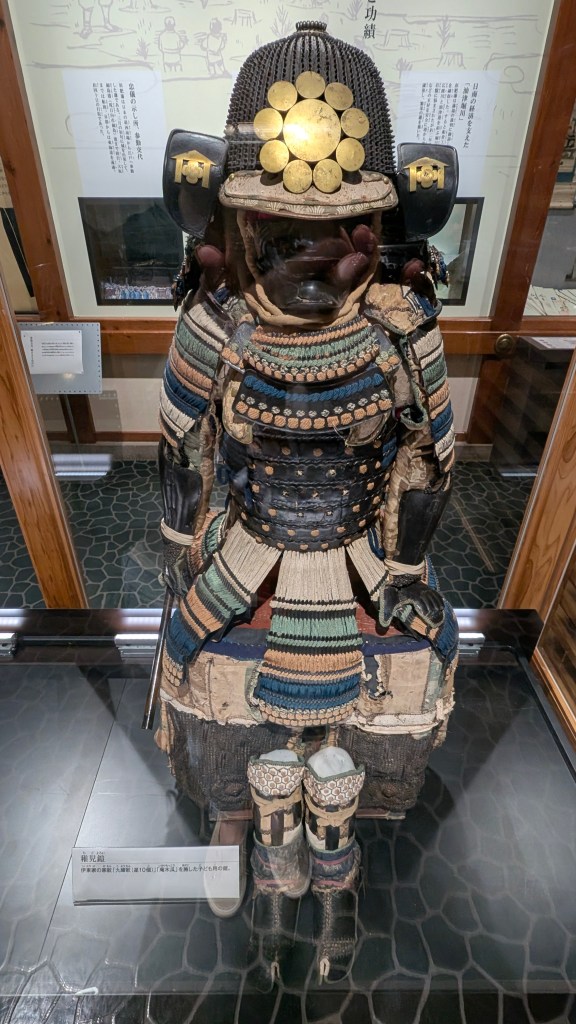
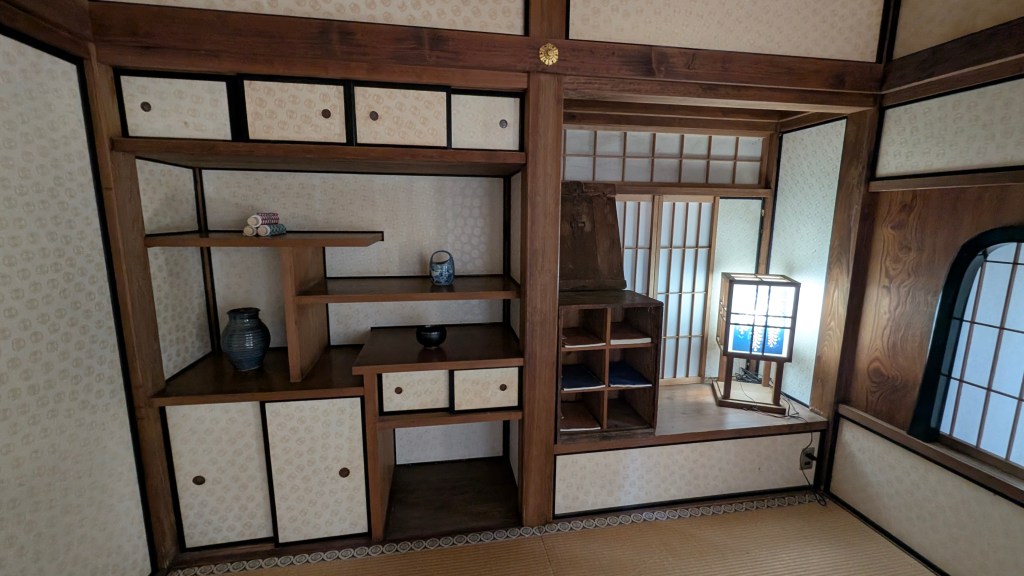
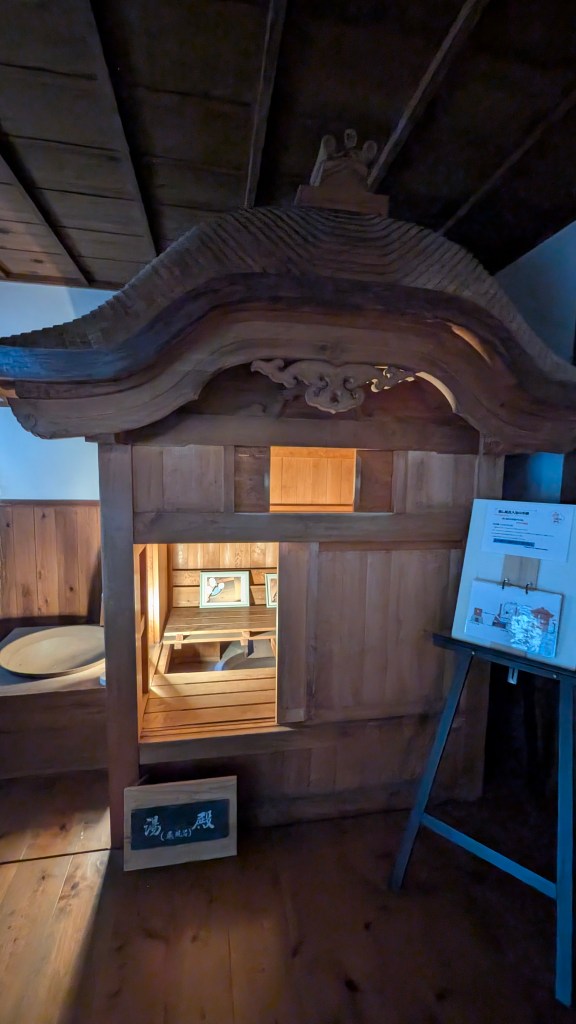
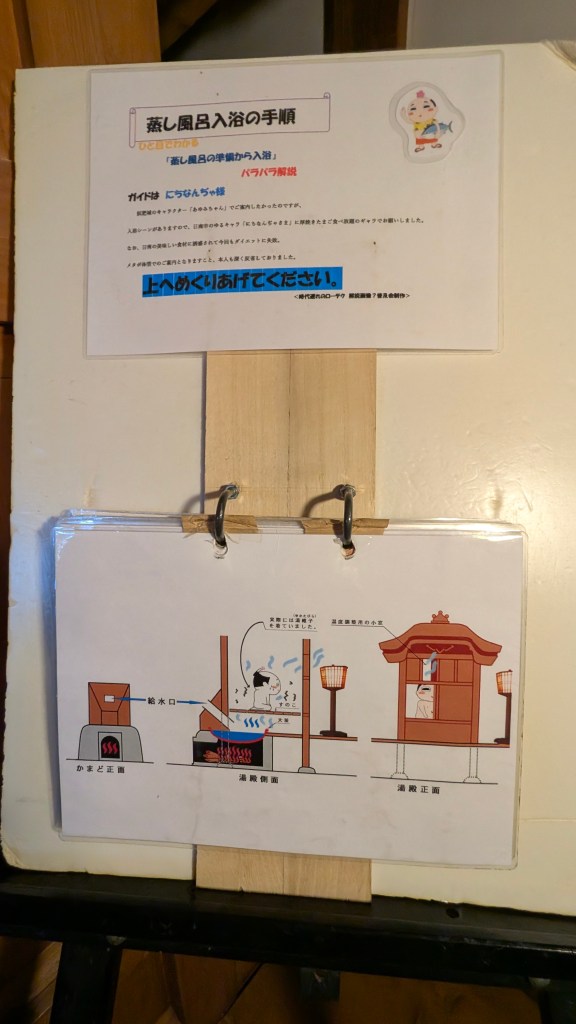
Matsuo no Maru at Obi Castle is a reconstructed traditional shoin-style high-ranking samurai residence built in 1979 using fragrant local Obi cedar. This beautiful residence includes a tearoom, living room and bathroom complete with a steam room and sauna!
Afterwards, wander through Obi Town itself and try some of the regional specialties like Obi tempura (a sweet-savory fried fish cake) or Atsuyaki tamago (thickly fried sweet egg omelet). Before you start your walk grab a copy of the Ayumichan Map from the local tourist information center or the main tourist parking lot. It costs around 1600 Yen and includes tickets to various venues plus five vouchers for special and famous local Obi gifts.
Getting There:
- Train: About a 1-hour train ride on the JR Nichinan Line from JR Miyazaki Station to JR Obi Station, followed by a 15-minute walk.
- Car: Roughly a 1-hour drive from downtown Miyazaki City or Miyazaki Airport
Address: 10 Chome-1 Obi, Nichinan, Miyazaki 889-2535, Japan
Opening Hours: Daily from 9:30am to 5:00pm
Udo Shrine:
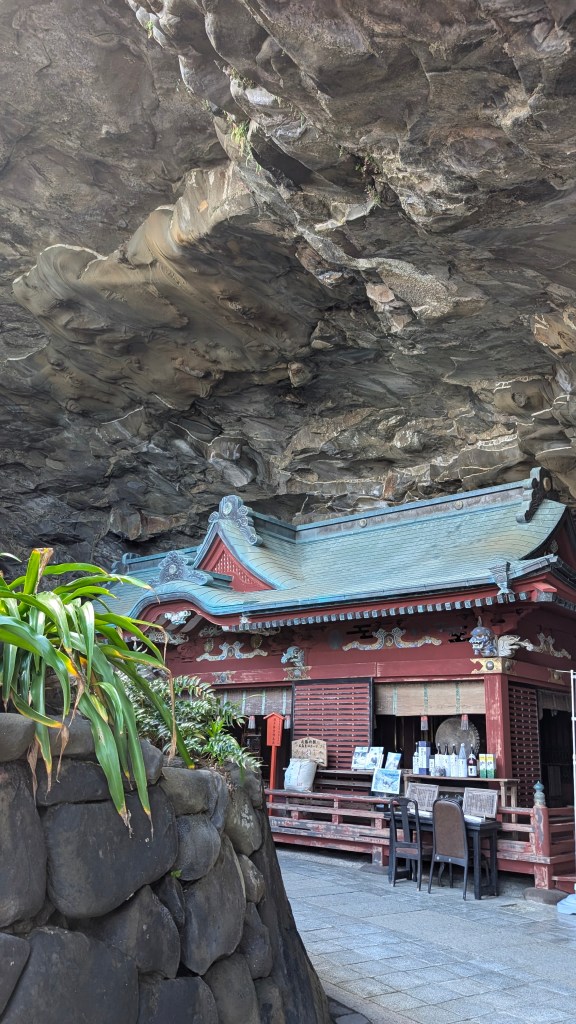
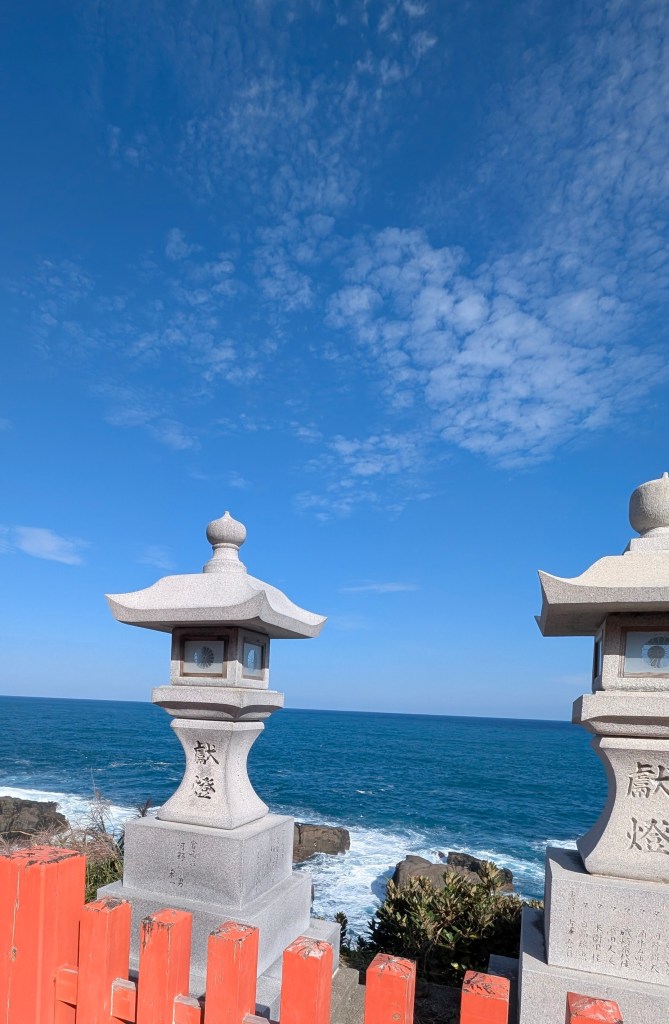
Continue east from Kirishima to Udo Shrine, a truly unique and mythical cliffside shrine, set in a cave perched atop a steep cliff face overlooking the beautiful blue waters of the Pacific Ocean.
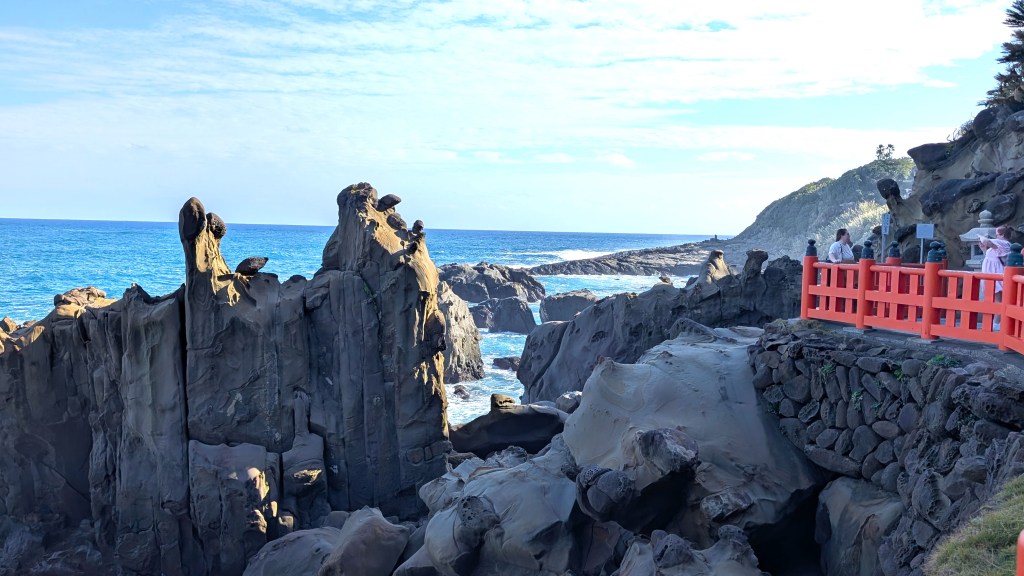
According to shrine legends, it is the place where the sea goddess Toyotama-hime, built a birth-hut from the feathers of a cormorant. The grounds of Udo Shrine are also dotted with statues of rabbits, which are believed to be messengers of the enshrined deities and of course represent abundant fertility
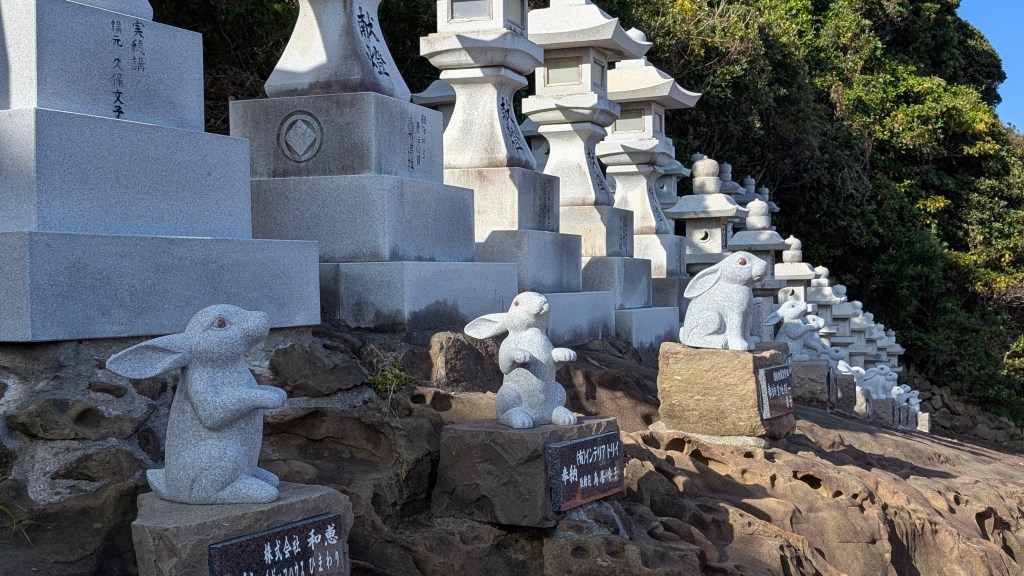
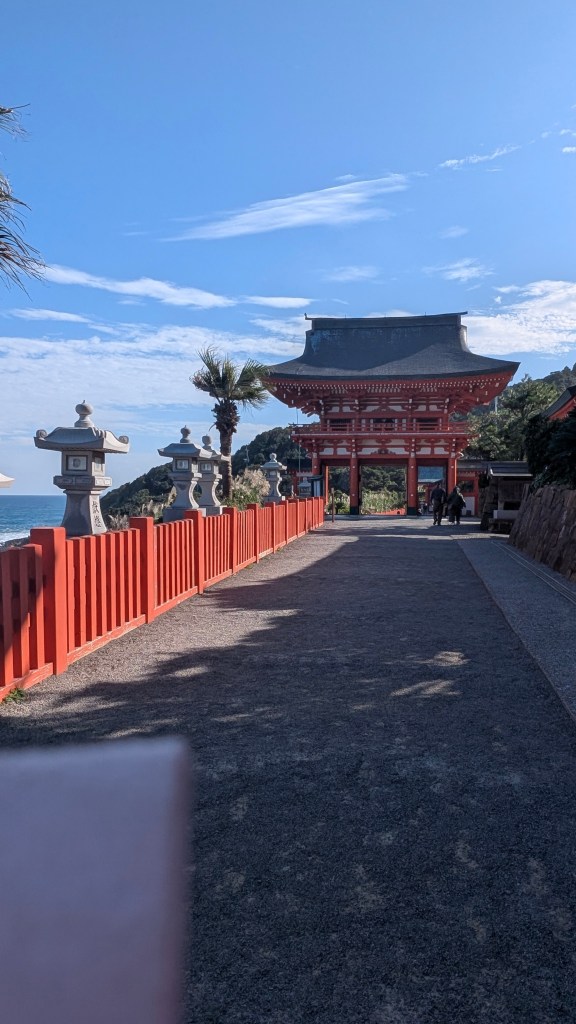
The shrine is popular with young couples hoping for easy childbirth and a happy marriage. Worshippers can also try their luck at ‘Undame-nage‘ where they toss an Undama, or luck ball, using their left hand (men) and right for women. If the ball lands in the dip of a special rock called Kameishi, or turtle rock, then your wish will come true.
Getting There:
- Car: Roughly a 26 minute drive from Obi Castle
Address: 3232 Miyaura, Nichinan City, Miyazaki Prefecture 887-0101, Japan
Opening Hours:
April to September: 6:00am – 7:00pm
October to March: 7:00am – 6:00pm
Aoshima Island:
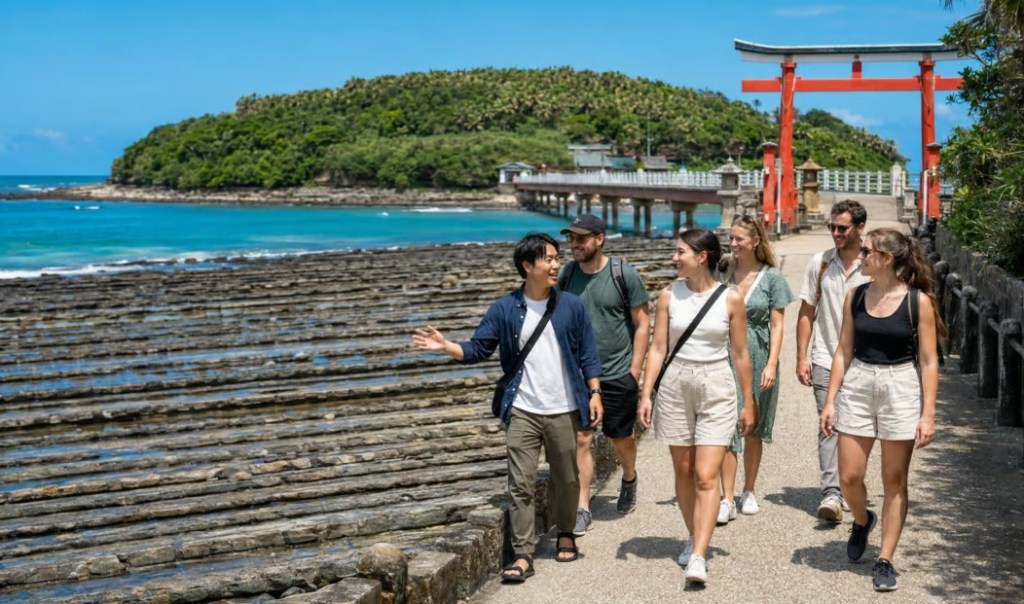
In the afternoon, visit Aoshima Island, a tiny but spiritual island in Miyazaki, connected to the mainland by footbridge. It holds a magical secret – a shrine located amidst lush tropical vegetation in the center of the island, dedicated to the deity of matrimony, making it a popular spot for couples.
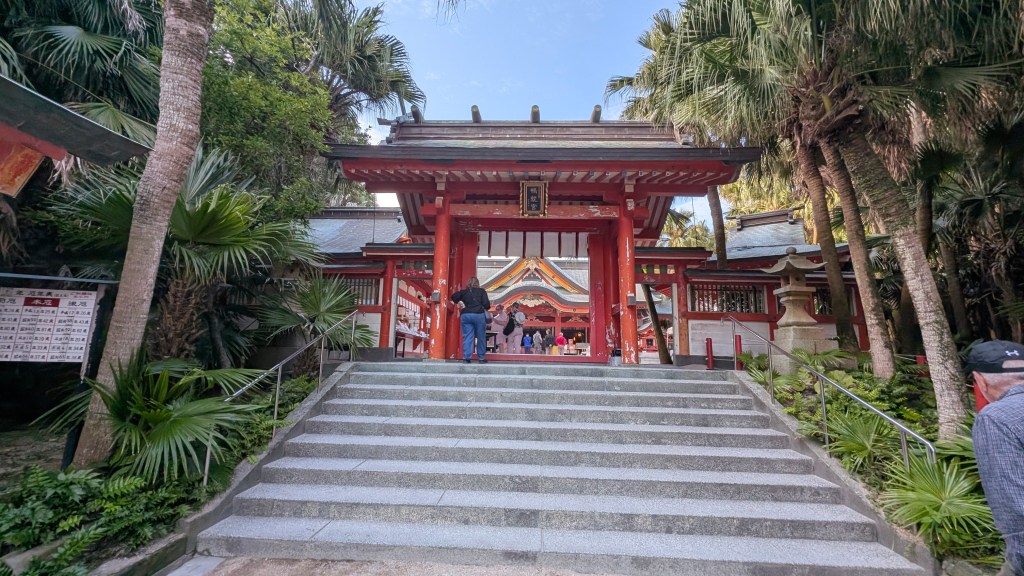
This little island (circumference approx 1.5 km) is surrounded by unique wave-like rock formations created by the erosion of sandstone and mudstone layers, known as the ‘devil’s washboard’.
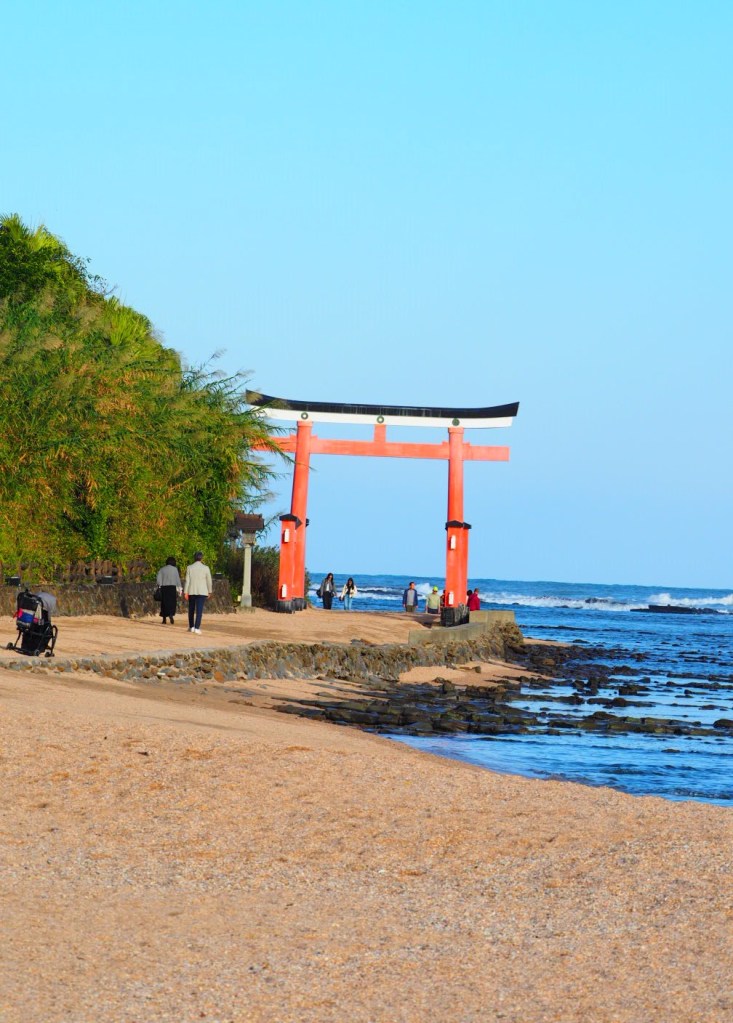
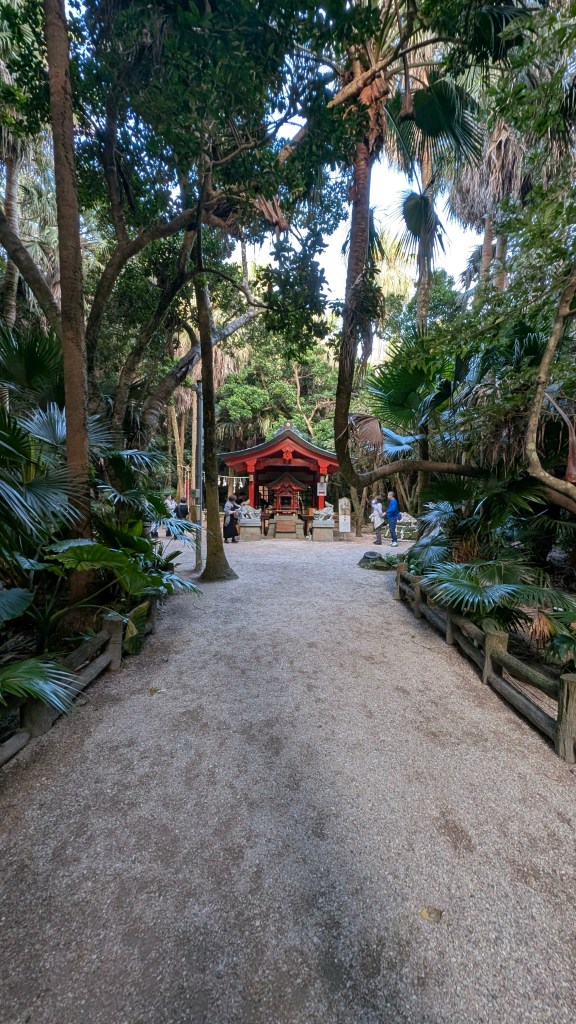
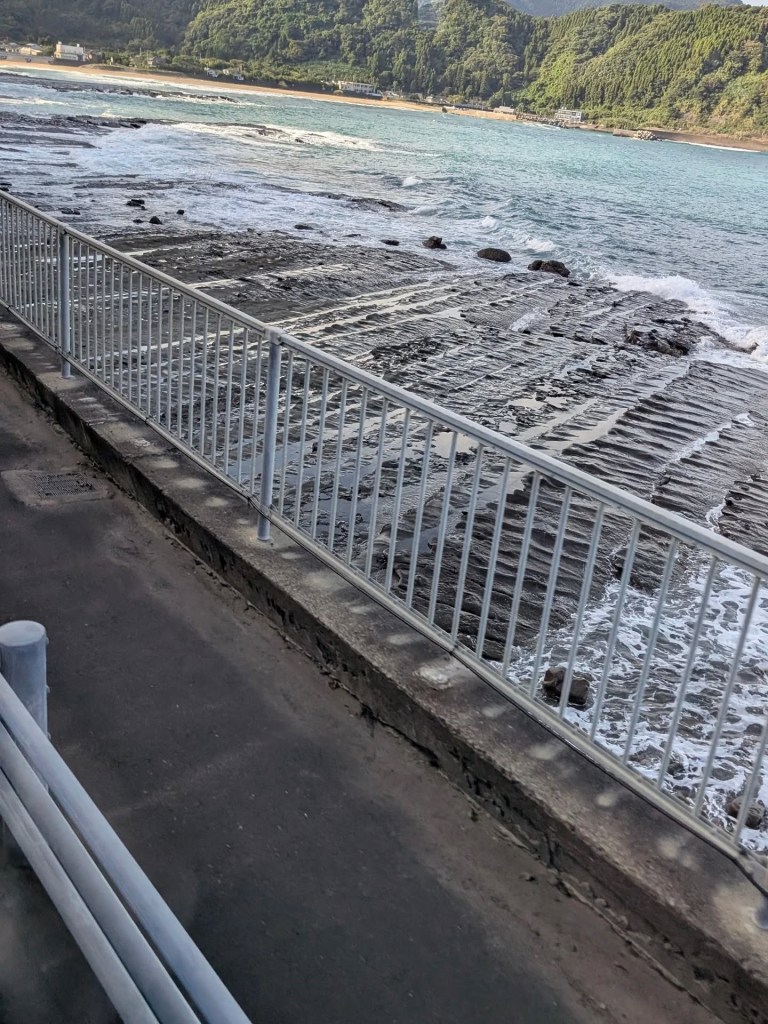
Once again here on the southern edge of Kyushu we are pleasantly reminded of the coastal beaches back home in Queensland, with tropical rainforest walks and tumbling blue waves of the Pacific Ocean...We have visited many shrines, but each time we are amazed by their unique personality and individuality, created by the special landscape in which they live.
Book a Guided Tour:
Miyazaki: Aoshima Shrine & Devil’s Washboard Walk – Explore Aoshima on a private photo walk. Capture ocean views, the Devil’s Washboard, Aoshima Shrine, tropical forests, and peaceful beach scenery while discovering Miyazaki’s myths and nature.
Getting There:
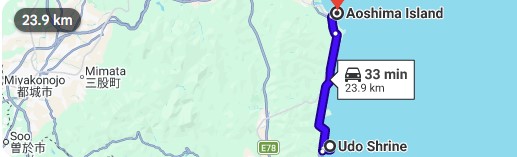
- Car: Roughly a 33 minute drive from Udo Shrine
Address: 2 Chome-13-1 Aoshima, Miyazaki-shi, Miyazaki-ken
Opening Hours: The island is freely accessible at any time, though visiting the famous Aoshima Shrine on the island is generally recommended from around 6:00 AM to sunset
O/Nite: Hotel JAL City, Miyazaki
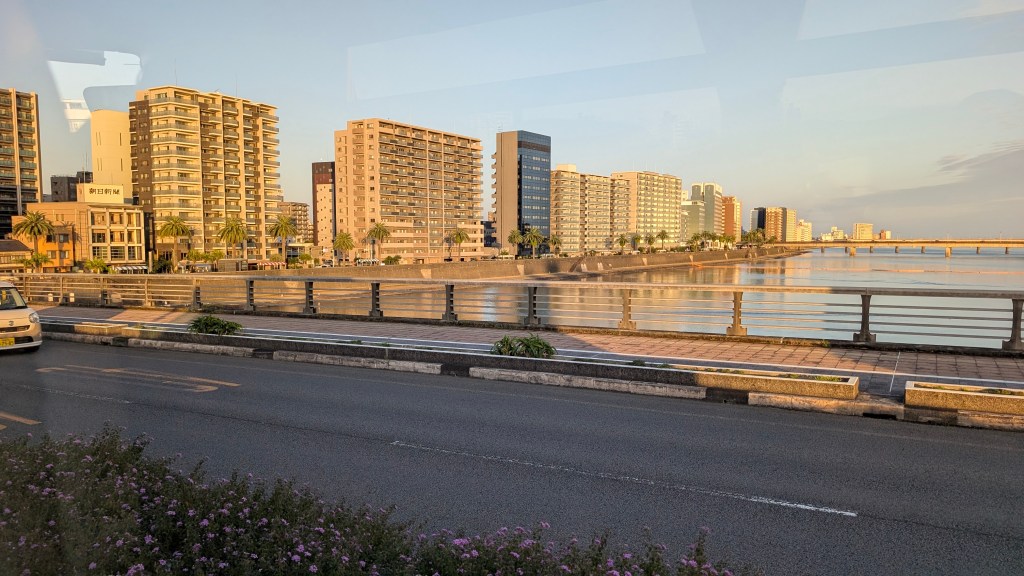
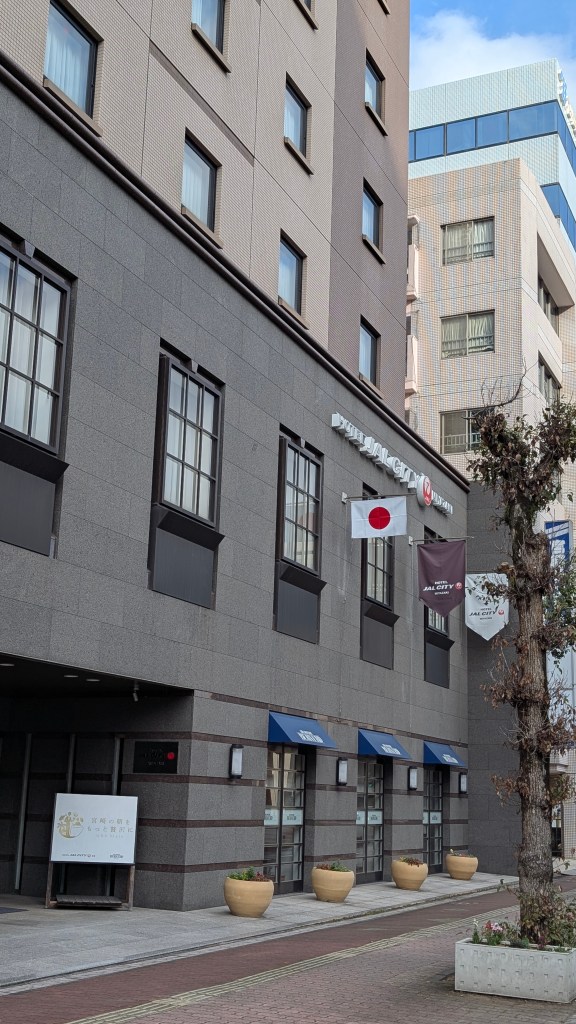
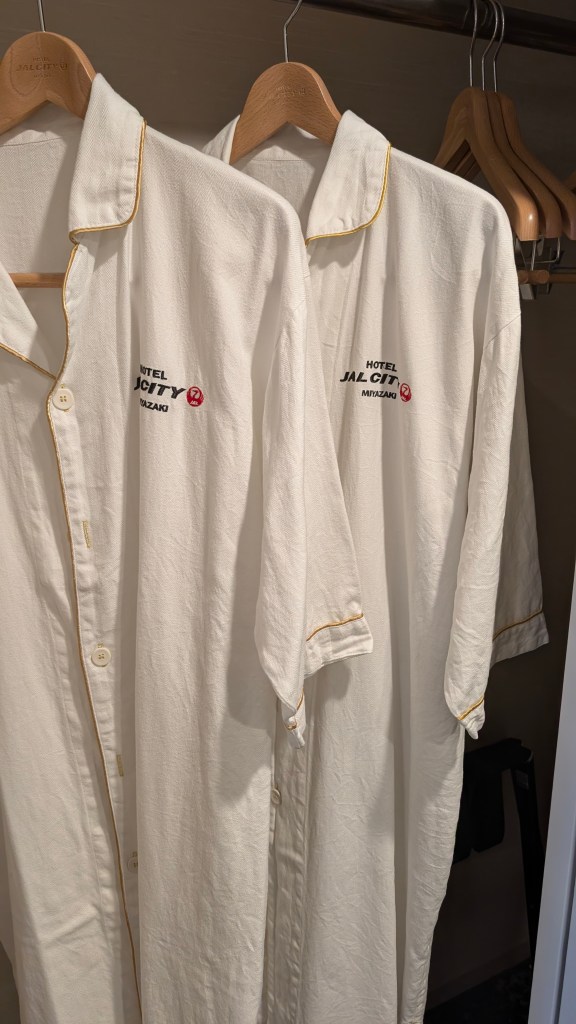
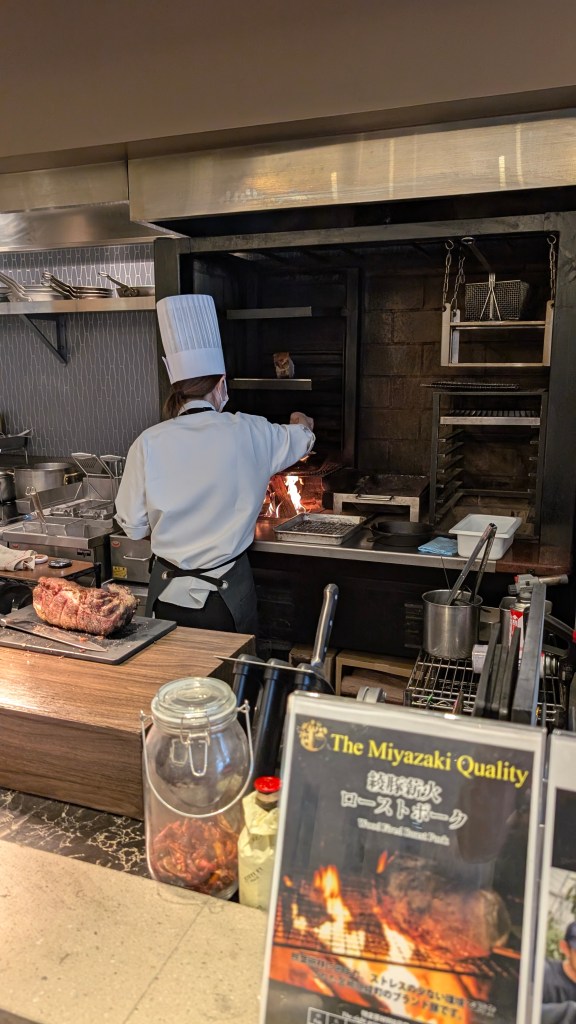
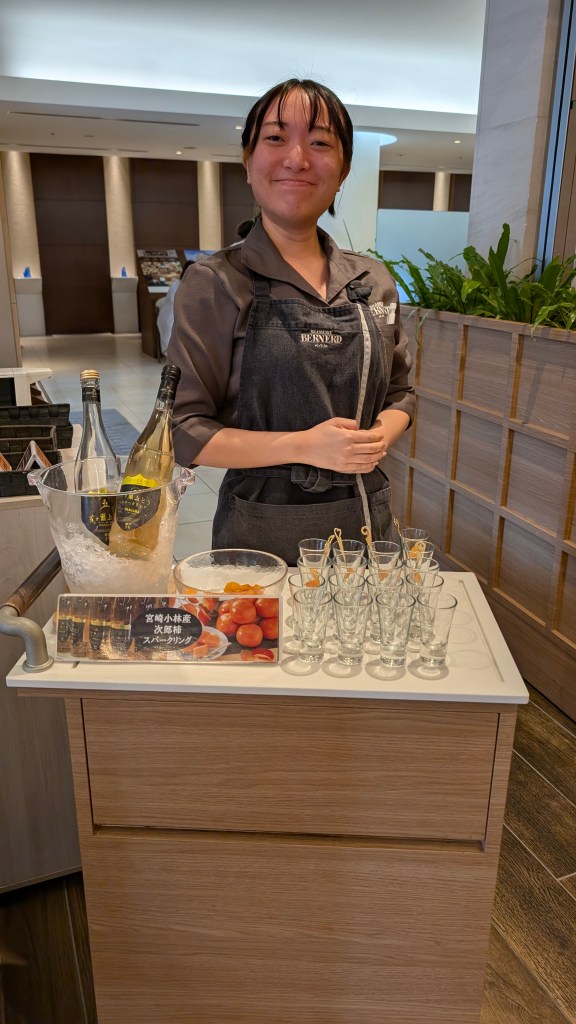
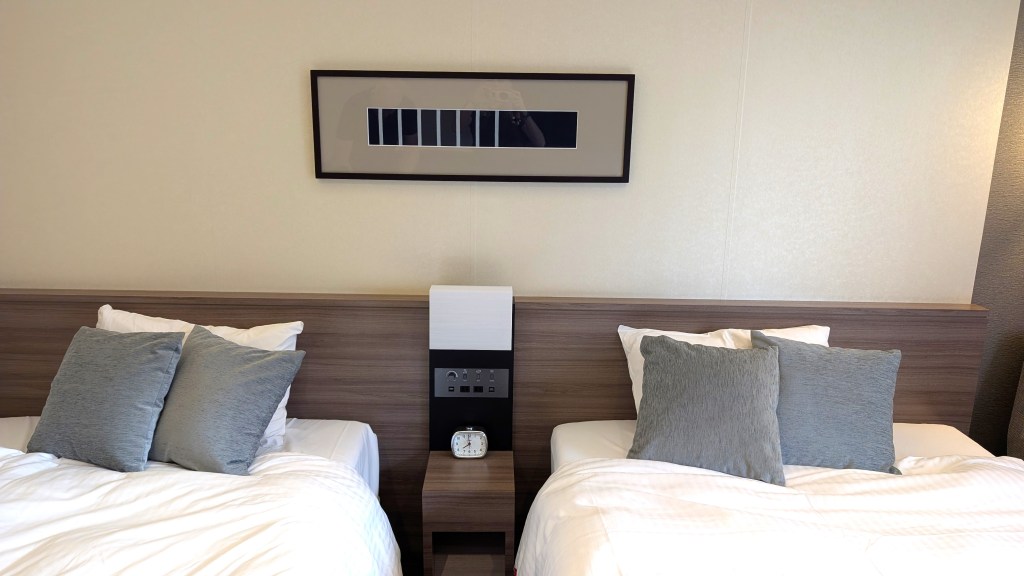
Hotel JAL Miyazaki is conveniently located along Tachibana-dori, the main street of Miyazaki City, just a few minutes’ walk from the main shopping area. Rooms are modern, clean, and well-equipped with amenities like free Wi-Fi, air purifiers, and comfortable beds. The breakfast buffet is excellent, featuring a mix of Japanese and Western dishes and the staff are happy and friendly.
Day 5: Kumamoto Prefecture
Miyazaki – Takachiho Gorge – Aso
Takachiho Gorge:
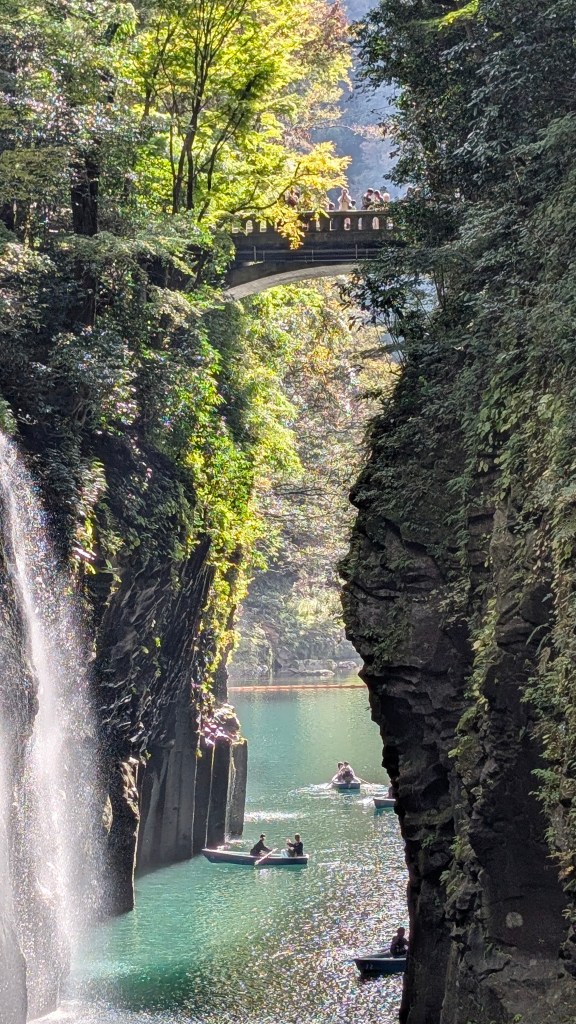
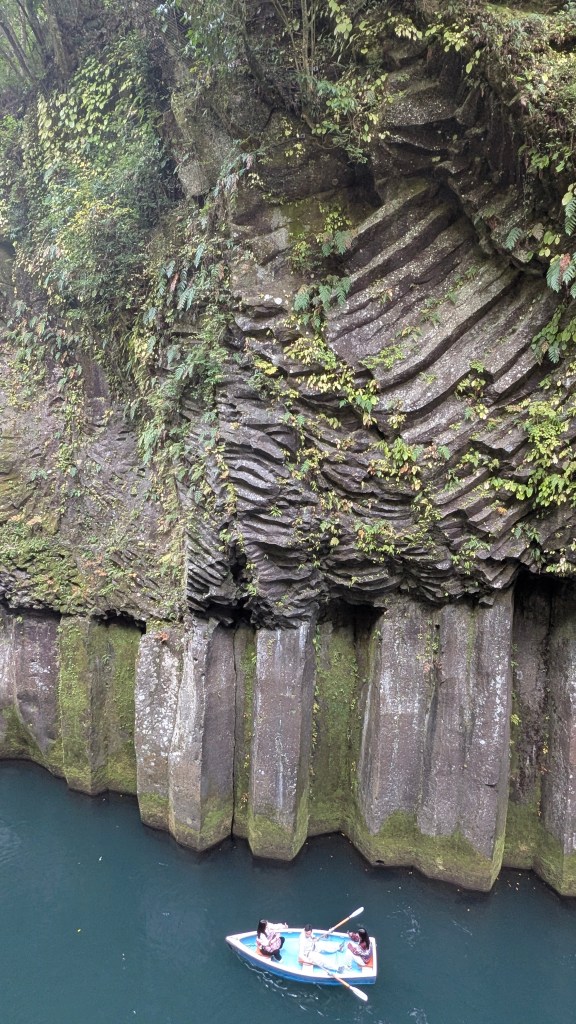
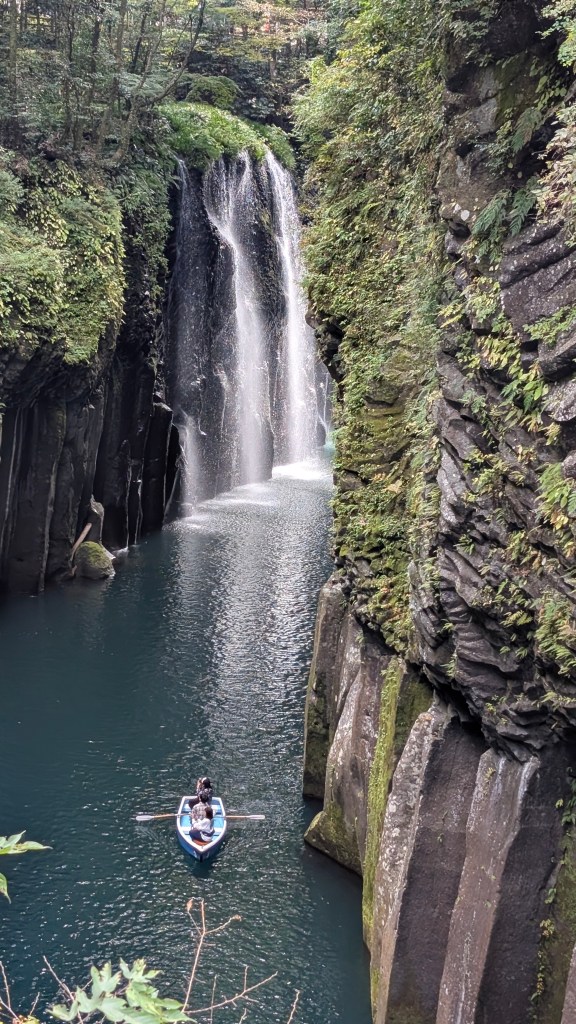
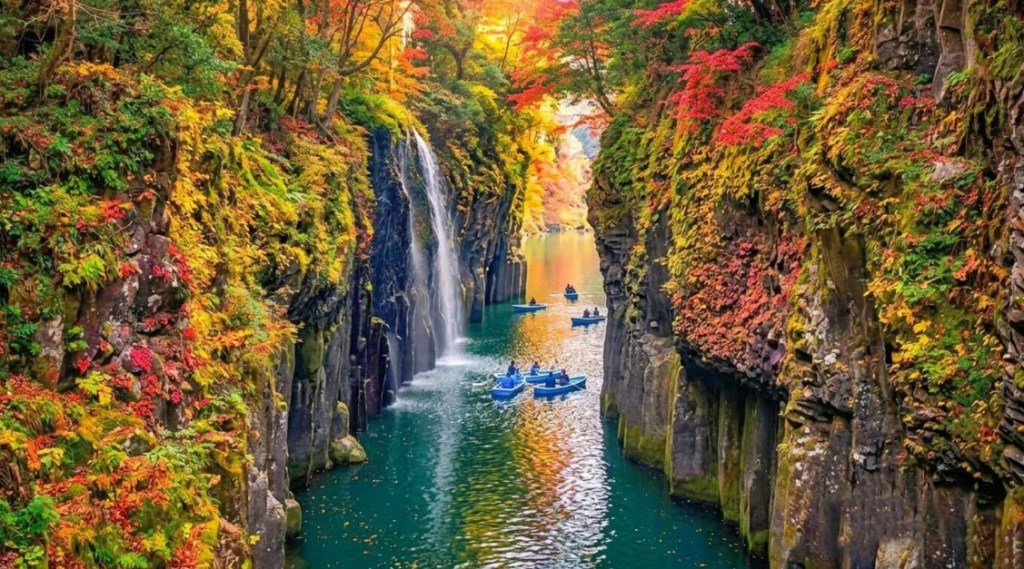
Today, beauty unfolds before your eyes amidst the natural wonders of Takachiho Gorge, a breathtaking marvel shaped over 100,000 years ago by eruptions from the nearby Mount Aso volcano. The gorge’s 80-100m high basalt cliffs line the chasm, just 3 meters wide at its narrowest point and the towering cliffs, adorned with vibrant foliage, contrast magnificently with the crystal-clear waters below.
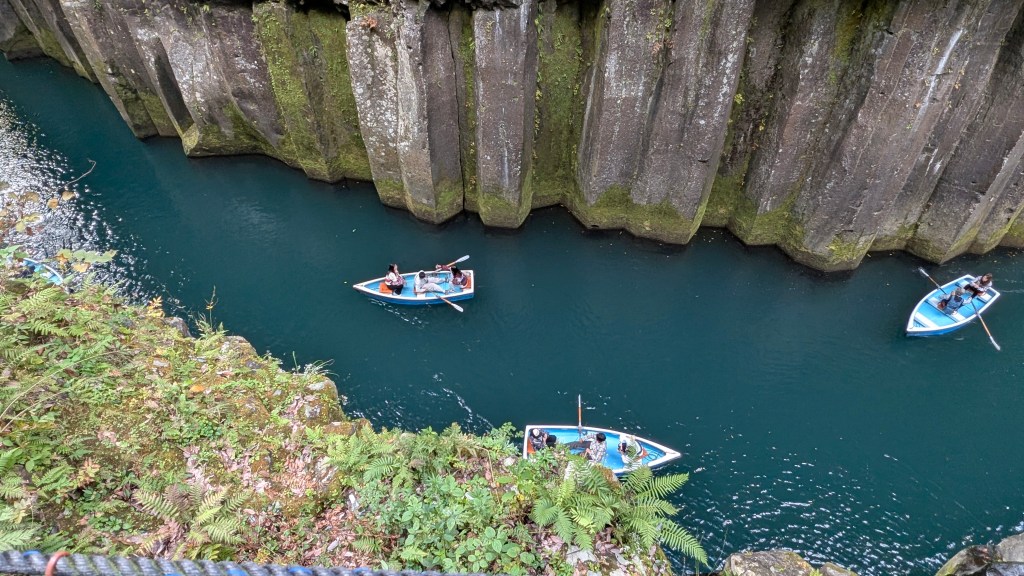
7km long Takachiho Gorge is nationally designated as a special place of scenic beauty and a natural monument, while the 17 m drop Manai Falls is one of the top 100 waterfalls in Japan. The towering cliffs adorned with vibrant foliage contrast magnificently with the crystal-clear waters below.
You can explore the gorge from two distinct perspectives: the first entails a serene row down the river aboard rental boats (available for an additional fee, with possible wait times) where the calm waters make for easy self-navigation, or explore from above via a leisurely stroll along the paved path tracing the gorge edge. From here you can gaze straight down into the river below..
Getting There by Car (recommended):
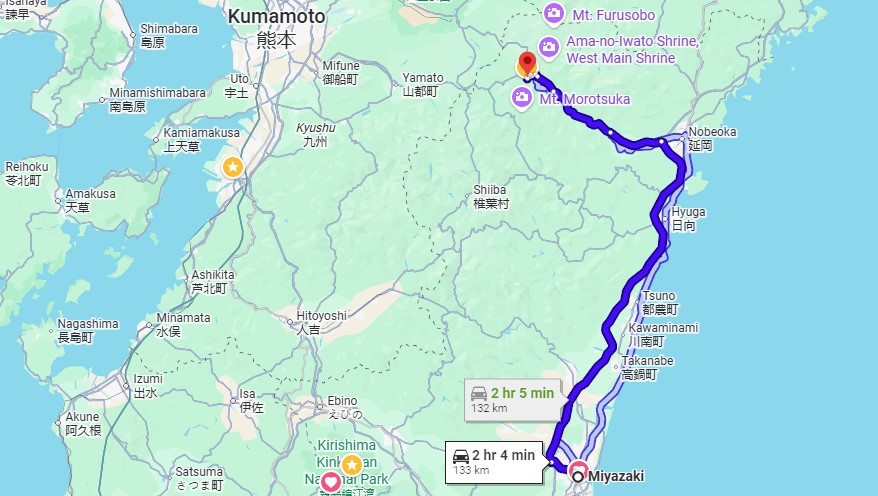
- Time: About 2.5 hours from Miyazaki.
- Distance: 140 kilometers.
- Route: Take the Higashi Kyushu Expressway north from Miyazaki toward Nobeoka, switch to the Kyushu Chuo Expressway at Nobeoka JCT, and follow Route 218 to Takachiho.
- Gorge Access: Open 24 hours (free admission)
- Rental Boat Hours: 8:30am – 5:00pm (last entry/departure at 4:30pm)
Book a Guided Tour:
Mt. Aso & Takachiho Gorge Tour with Optional Boat Ride
Visit Mt. Aso Crater, stroll through Kusasenri Grasslands, and have the option to boat through Takachiho Gorge. Experience the natural beauty and mythical charm of Kyushu.
Mt Aso:
After enjoying the picturesque sights of Takachiho Gorge, cross into Kumamoto Prefecture to explore the Aso-Kuju National Park and spend the evening in the shadow of Mount Aso.
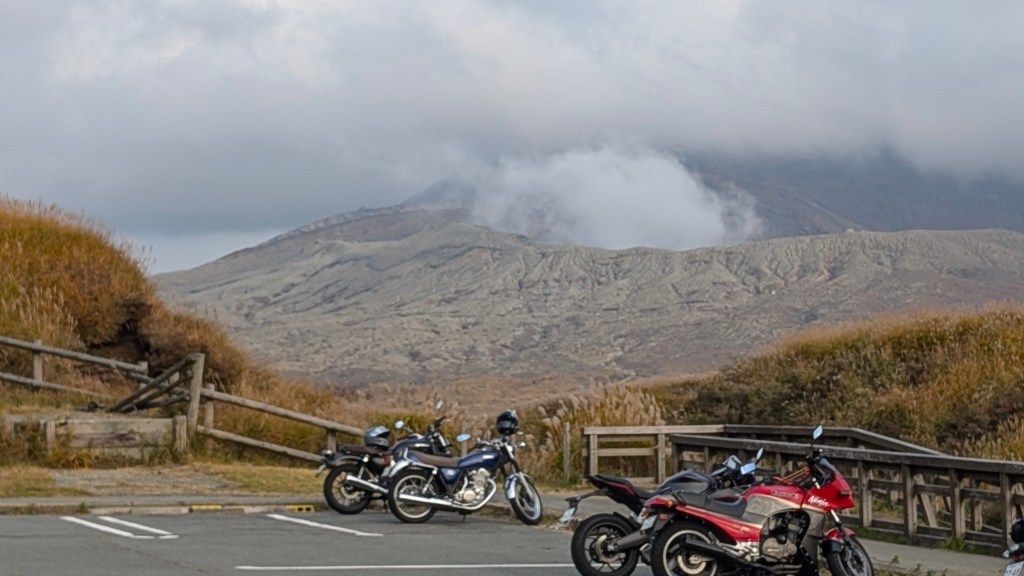
Mount Aso is a large active volcano in the center of Kyushu. The mountain’s caldera, created by multiple gigantic eruptions in the distant past, has a circumference of over 100 kilometers, one of the largest in the world. Surrounded by a circular rim, the caldera contains multiple rural towns and wide areas of rice fields.
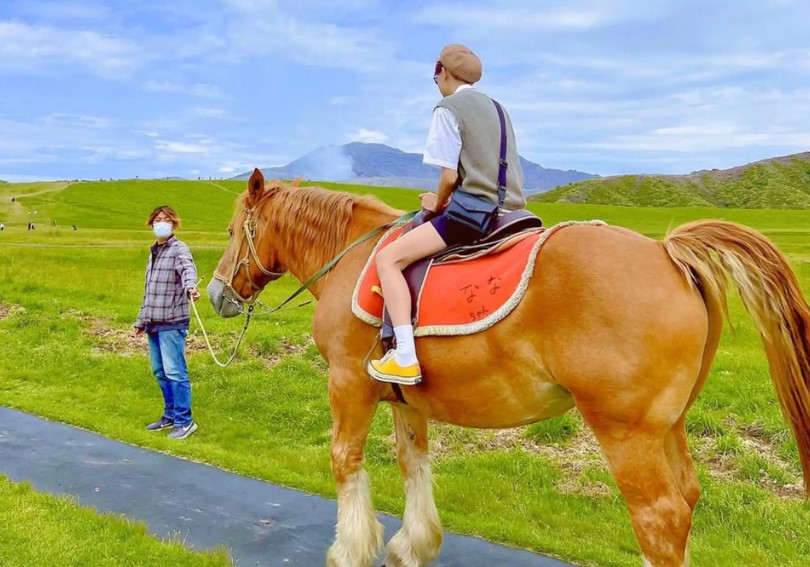
In the center of the caldera stand the currently active peaks of the volcano. The main crater can be accessed and viewed by visitors, but can occasionally be closed due to high levels of volcanic gases or volcanic activity. On the grassy slopes of the volcanic peaks graze horses and cows, making for scenic, pastoral views.
Book a Guided Tour:
Kyushu: From Fukuoka Aso Shrine Grassland & Onsen Day Tour
Kyushu day trip: horse riding at Aso’s Kusasenri grasslands, plus Mount Aso & Takachiho Gorge. Includes transport from Fukuoka
O/Nite: Kamenoi Hotel Aso Park Resort
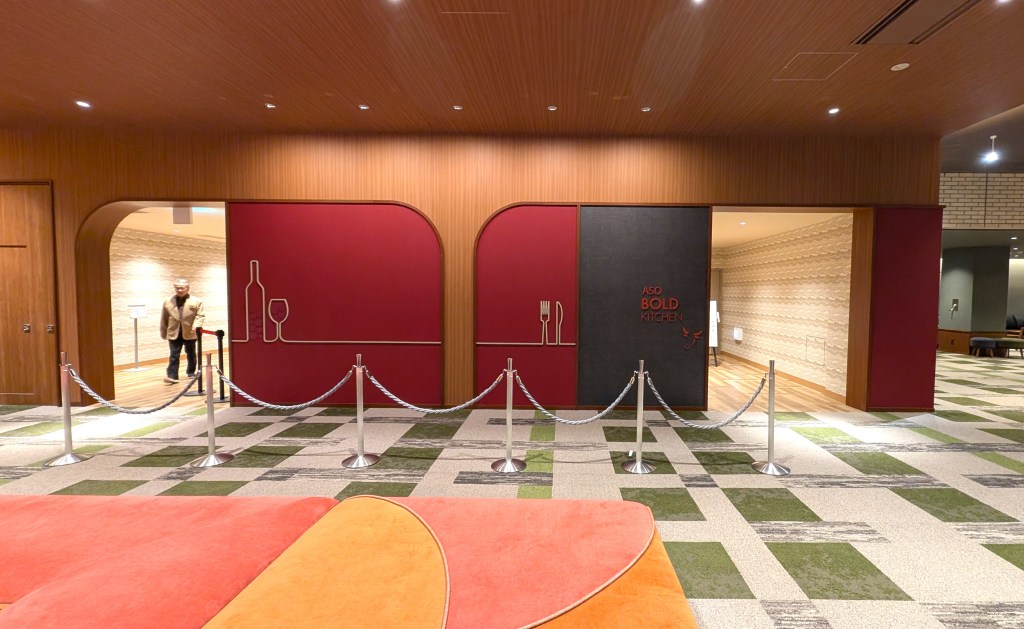
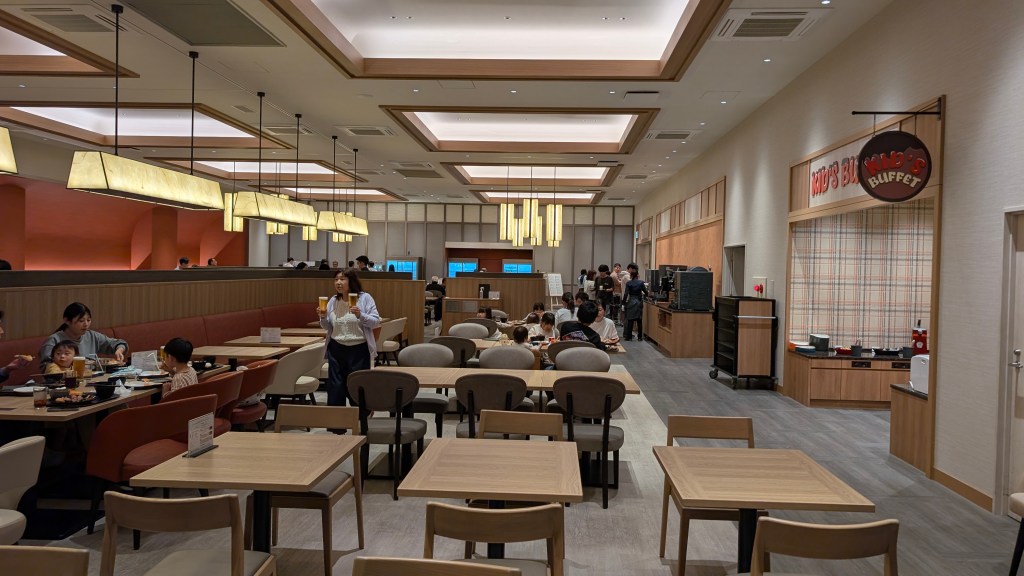
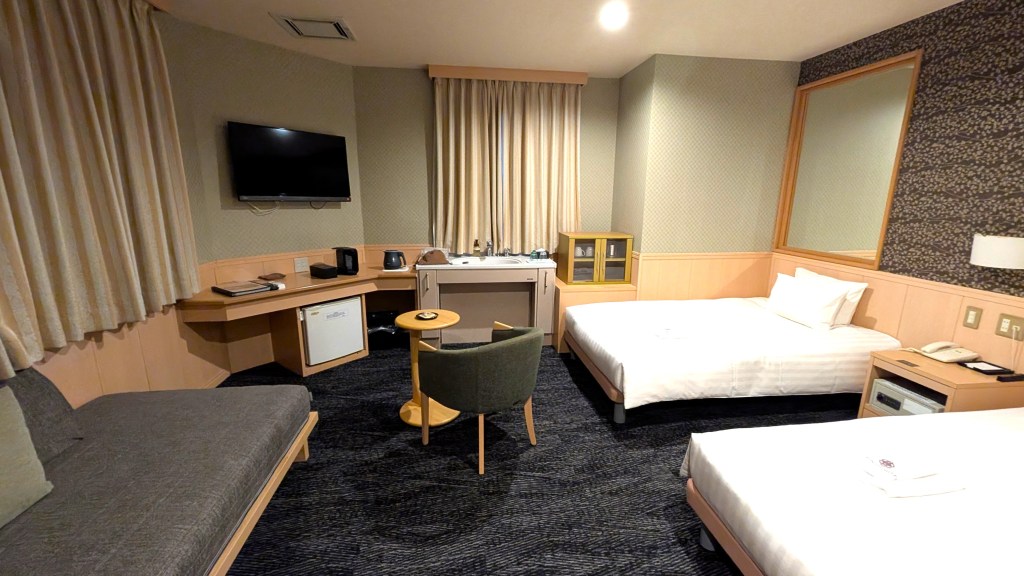
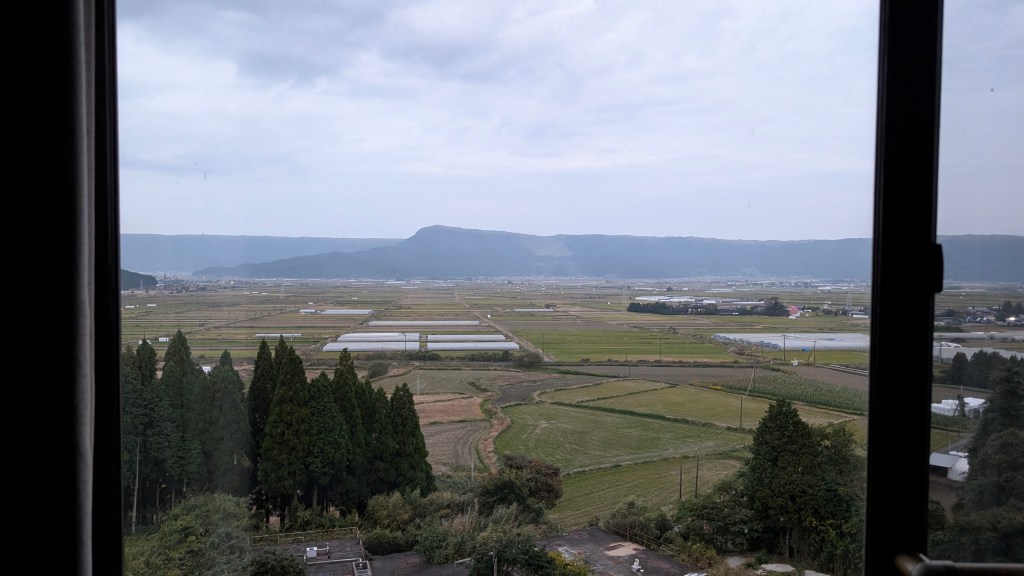
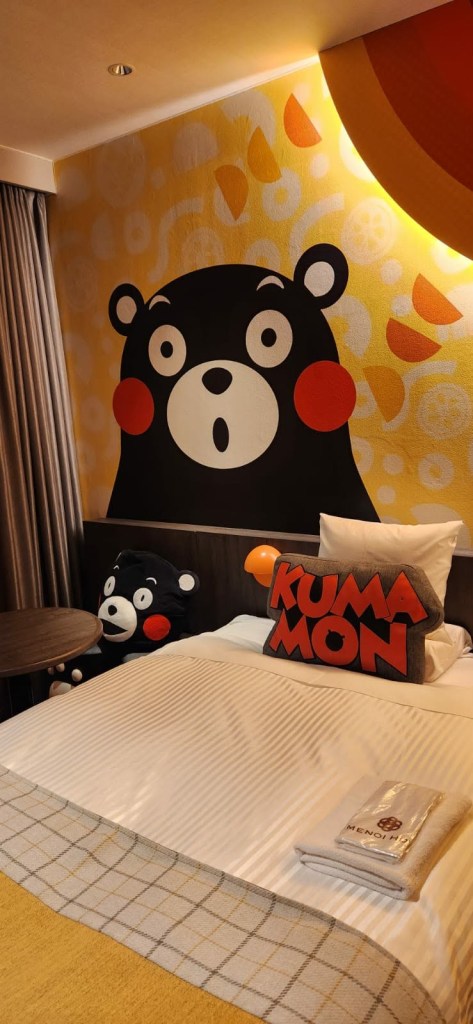
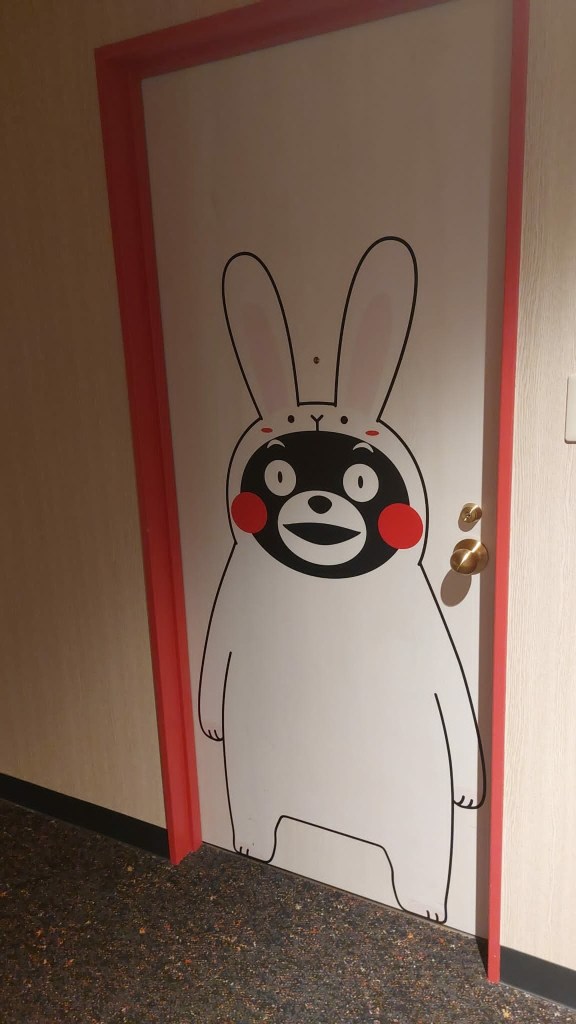
Kamenoi Hotel Aso Park Resort – A family-friendly hot springs resort hotel in the Aso caldera in Kumamoto. The hotel offers panoramic views of Aso Five Mountains as well as natural onsen baths, an indoor heated pool complex, and newly renovated rooms including concept rooms such as Kumamon-themed twin and maisonette rooms.
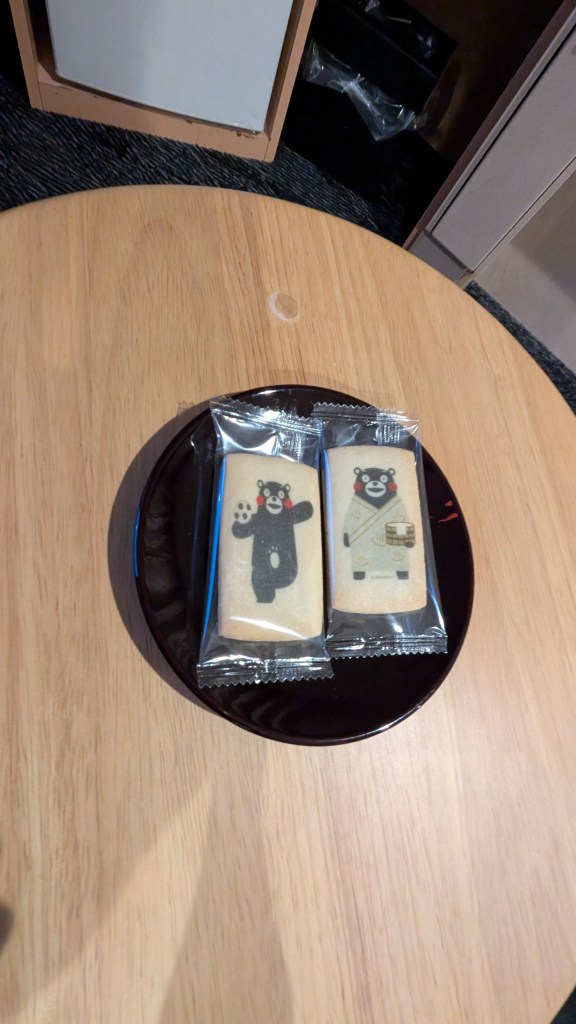
Hotel Features:
- Hot Springs (Onsen): Features large public indoor baths with panoramic mountain views, open-air baths, private family baths, and a sauna
- Indoor Pool & Spa: Includes an all-weather indoor pool area (Qua Resort Omer) with a lazy river, jacuzzi, and swimwear-accessible sauna
- Dining: Features ‘Aso Bold Kitchen’, a large 380-seat buffet restaurant with live cooking stations serving local specialties like Akagyu (Aka) beef and dengaku tofu
Getting There:
- A 5-minute free shuttle ride from JR Aso Station (advance reservation required) and roughly 45 minutes by car from Aso Kumamoto Airport.
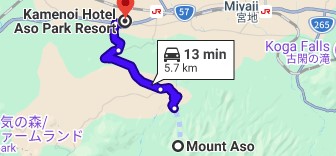
- A 13 minute drive by car from Mount Aso in Aso-Kuju National Park
Address: 1230 Kurokawa, Aso-shi, Kumamoto 869-2612, Japan
Day 6: Oita Prefecture
Aso – Bungo Ono – Beppu
Aso Shrine:
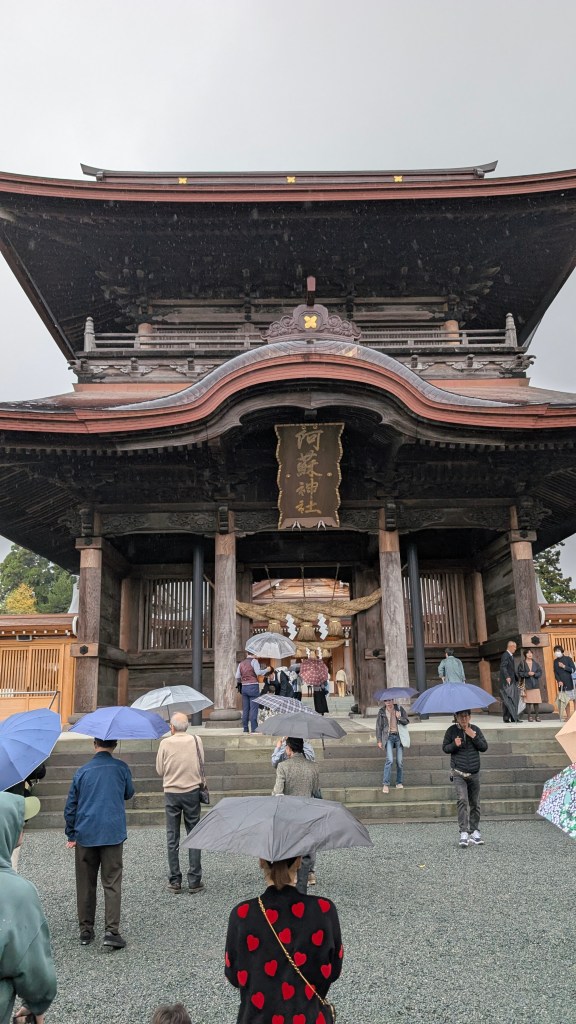
Aso Shrine is just 10 minutes by car from Kamenoi Hotel Aso Park Resort and well worth the detour on your way to Bungo Uno.
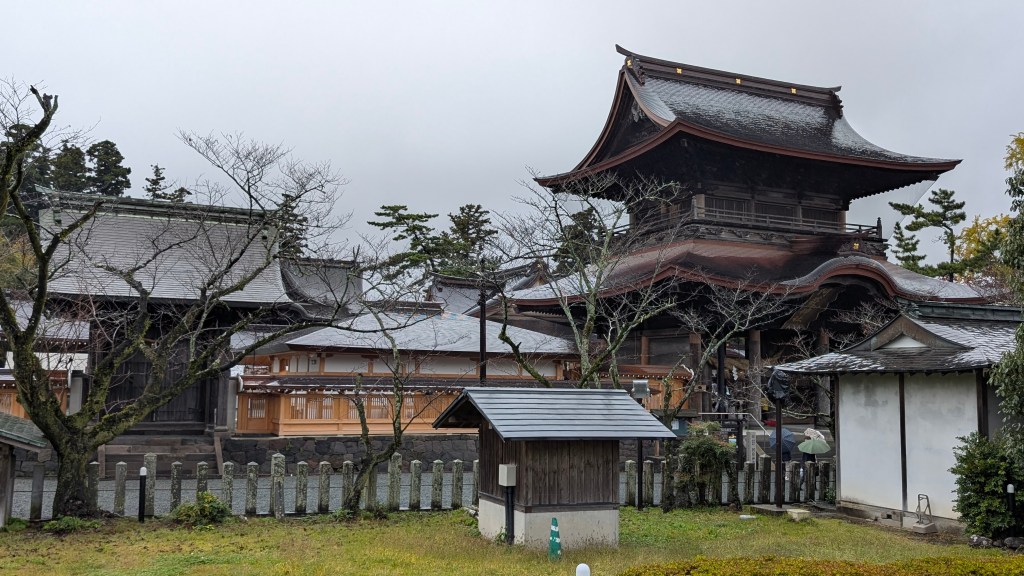
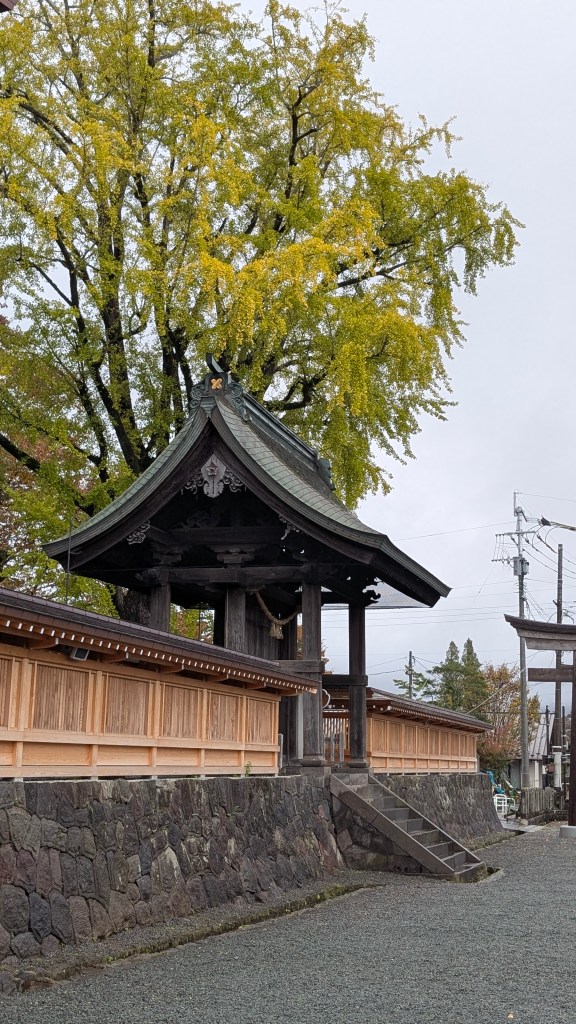
Aso Shrine is believed to date back almost two thousand years to the end of the Yayoi Period (300 BC to 300 AD). The shrine’s most impressive feature is its two-story Romon Gate, one of the largest of its kind in Japan. Behind the gate visitors will come upon the Haiden, the shrine’s offering hall. Twelve deities are enshrined at Aso Shrine, including one god who is believed to have created the Aso area. The shrine also has a pine tree that is believed to give good fortune for marriage.
Harajiri Waterfalls:
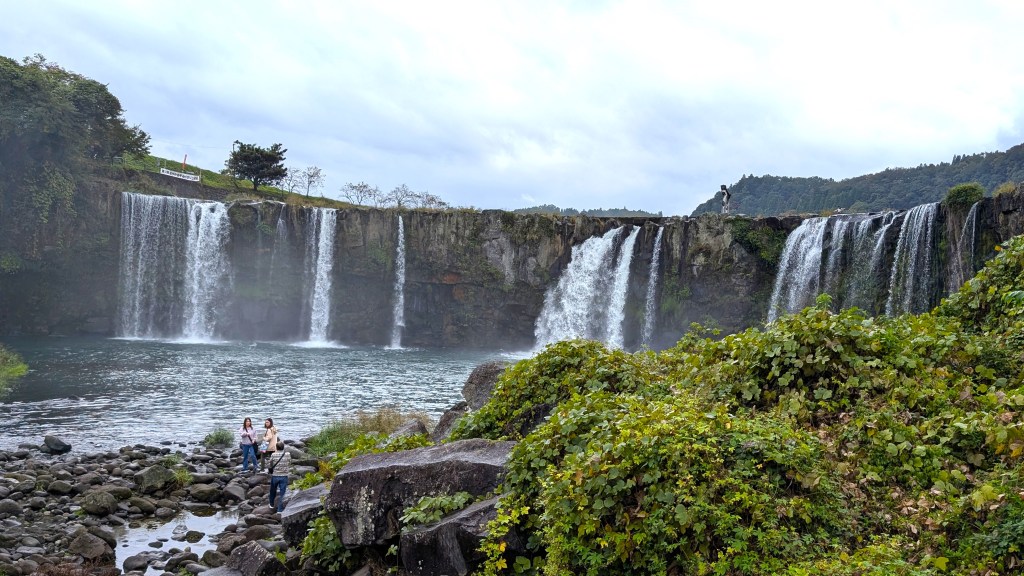
Next, continue on into Oita Prefecture with a stop in Bungo Ono at the Harajiri Waterfalls. The beautiful horseshoe-shaped waterfalls are 120m wide with a height of 20m. Because of this shape it received the nickname ‘Niagara of the East’. The falls were formed around 90,000 years ago by erosion of pyroclastic flows after the eruption of Mt. Aso, which left behind a sheer vertical wall. Visitors can view the falls head on from the nearby wooden suspension bridge, or walk up the promenade to the top of the waterfall, and then go down to the riverbank to experience the power of the roaring water cascading down from the basin side. Each season brings its unique charm: pink cherry blossoms and yellow rapeseed flowers in spring, lush greenery in summer, and vivid autumnal foliage in fall.
Near the waterfall is a michi-no-eki (a Japanese roadside station) where you can try delicious foods such as Bungo Beef, Japanese dumpling soup, Toriten (a style of fried chicken), and other local cuisine from Oita Prefecture.
Getting There:
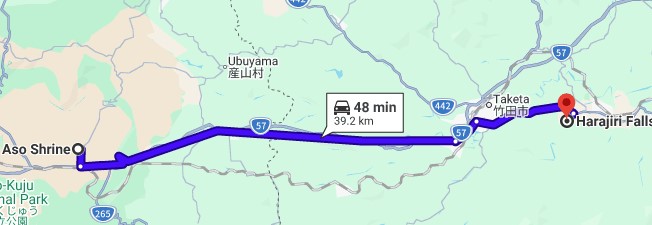
- Approx. 48 minute drive from Aso Shrine
- Approx. 7 minutes from JR Ogata Station
Address: 410 Harajiri, Ogata-machi, Bungo-ono City, Oita Prefecture 879-6631, Japan
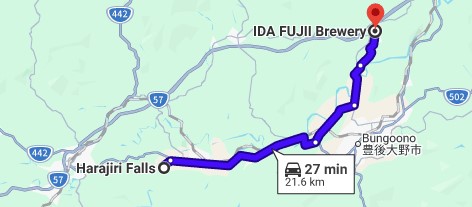
Fujii Distillery:
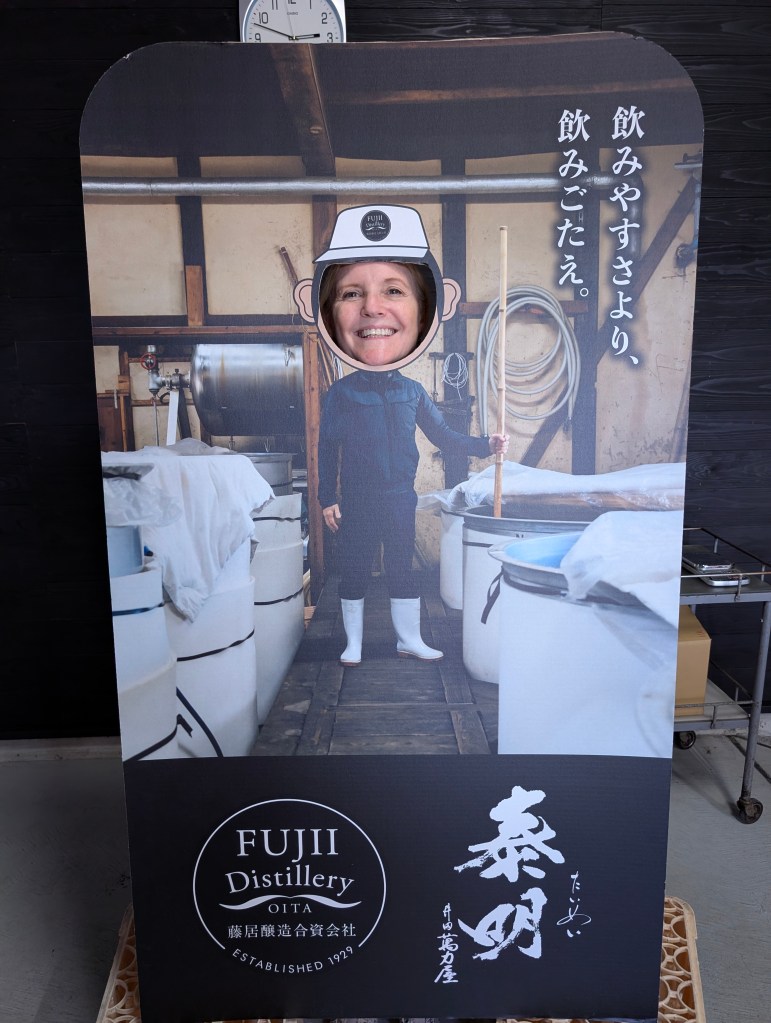
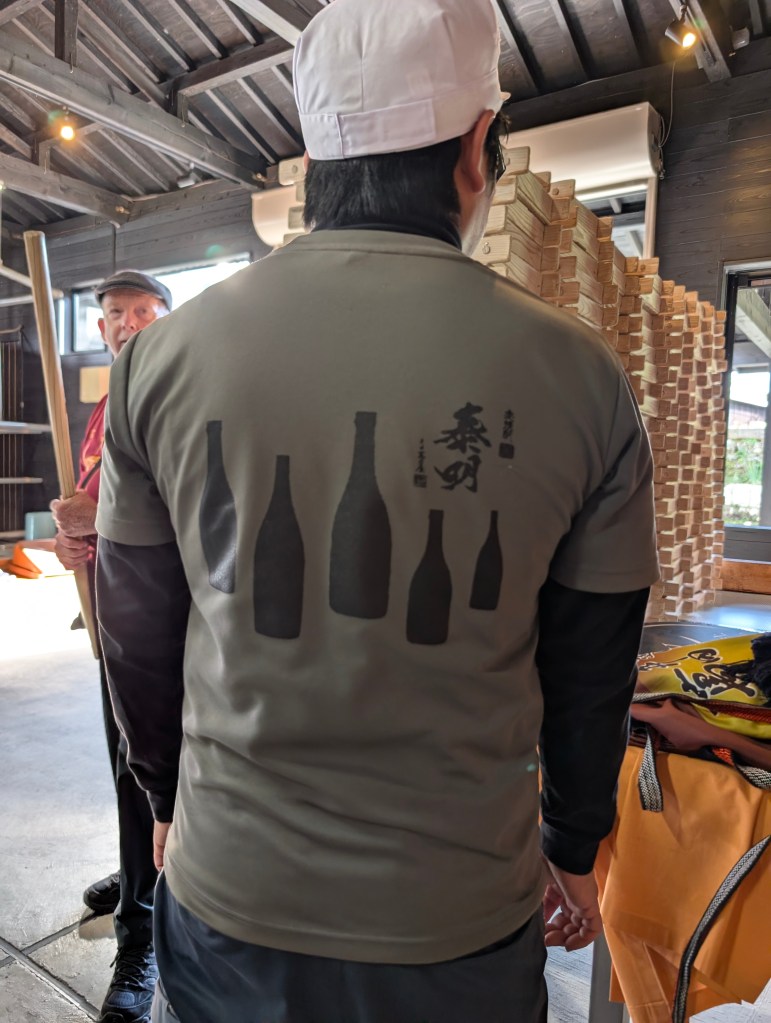
After lunch head north through Oita Prefecture to the Fujii Distillery & IDA Fujii Brewery to learn about barley sochu, enjoy a tour of the facility and taste the produce. No visit to Japan would be complete without a tour of a sake brewery, and at Fujii Distillery, you’ll learn about the traditional brewing process, as well as taste some of the different varieties they make.
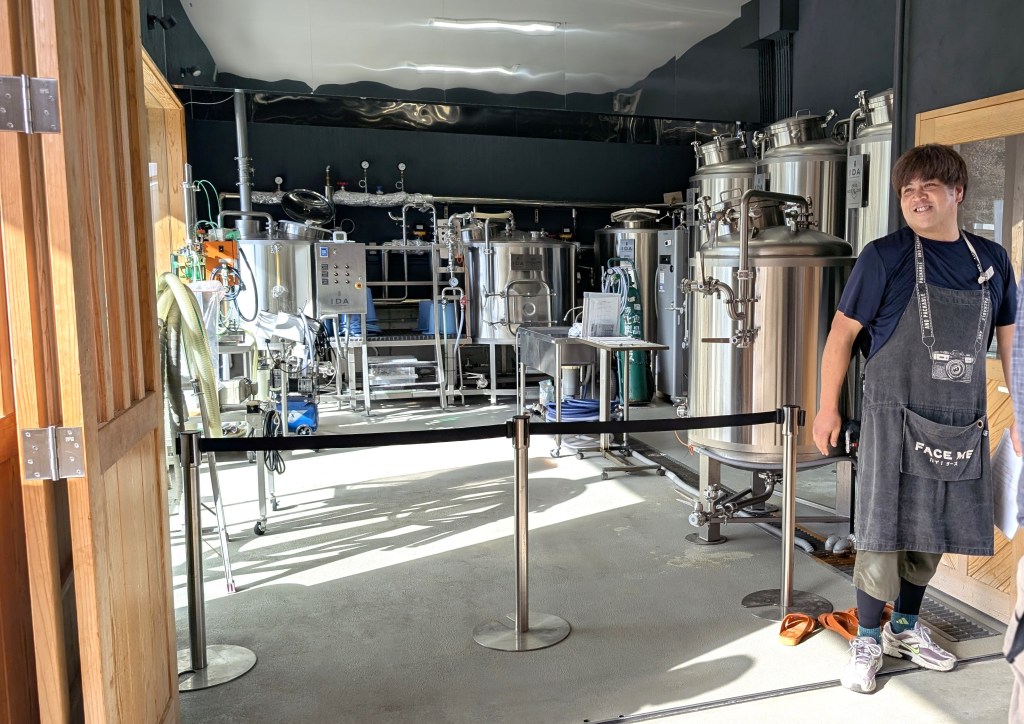
Since its founding in 1929 Fujii Distillery has followed traditional handmade methods in order to craft exquisite barley shochu. After steaming the barley in a traditional koshiki, a muro-carda (type of lid) is used to create koji over a two-day period. It is then combined with water and yeast to slowly cultivate a mash. “The barley shochu, refined with the utmost care and dedication by the brewers, brings out the deliciousness, aroma, and flavor of the barley—its ‘true’ essence.” (Fujii Distillery)
Shochu breweries using this handmade method are becoming increasingly rare in the area, so it was a privelege to experience the process first hand, try the unique flavours of Shochu Sake and meet the delightful team behind the scenes.
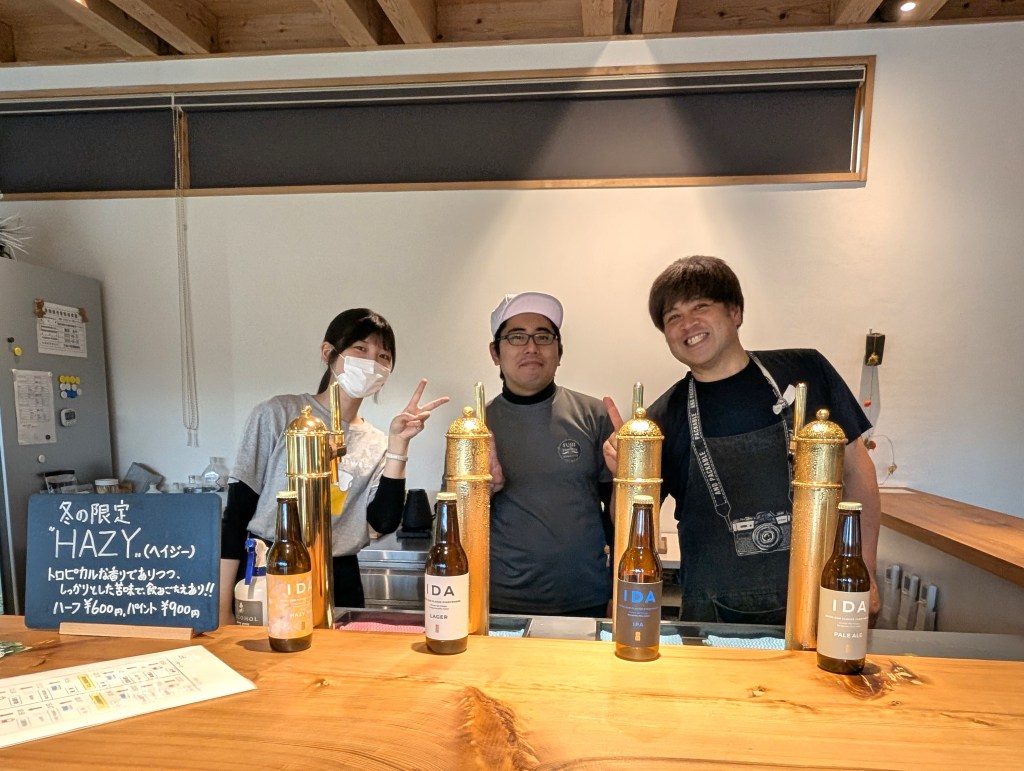
In 2022 Fujii Distillery opened IDA Fujii Brewery, launching a new craft beer brewing business offering beer varieties with mellow bitterness, refreshing aroma and rich flavours born from the climate and traditions of the local landscape. Core Beer Varieties include:
- IDA Lager: A pale lager aged for over a month and a half in storage tanks, offering a crisp finish, subtle malt sweetness, and gentle bitterness
- IDA Pale Ale: An approachable, golden pale ale featuring low bitterness and refreshing citrus-forward hop aromas
- IDA IPA: An India Pale Ale brewed with 1.5 times the hops of the standard lineup, highlighting a bold, clean hop aroma and pronounced bitterness
Enjoy a tasting, relax on the veranda, or wander the shop for gifts to take home.
Getting There:
- Approx. 30 minutes by car from Harajiri Waterfalls
Address: 150-1 Chitosemachi Niidono, Bungo-Ono, Oita 879-7401, Japan
O/Nite: Amanek Beppu Yula-re (2 nights)
End the day with arrival into Oita’s famed hot spring town of Beppu, overnighting at the beautiful Amanek Beppu Yula-re.
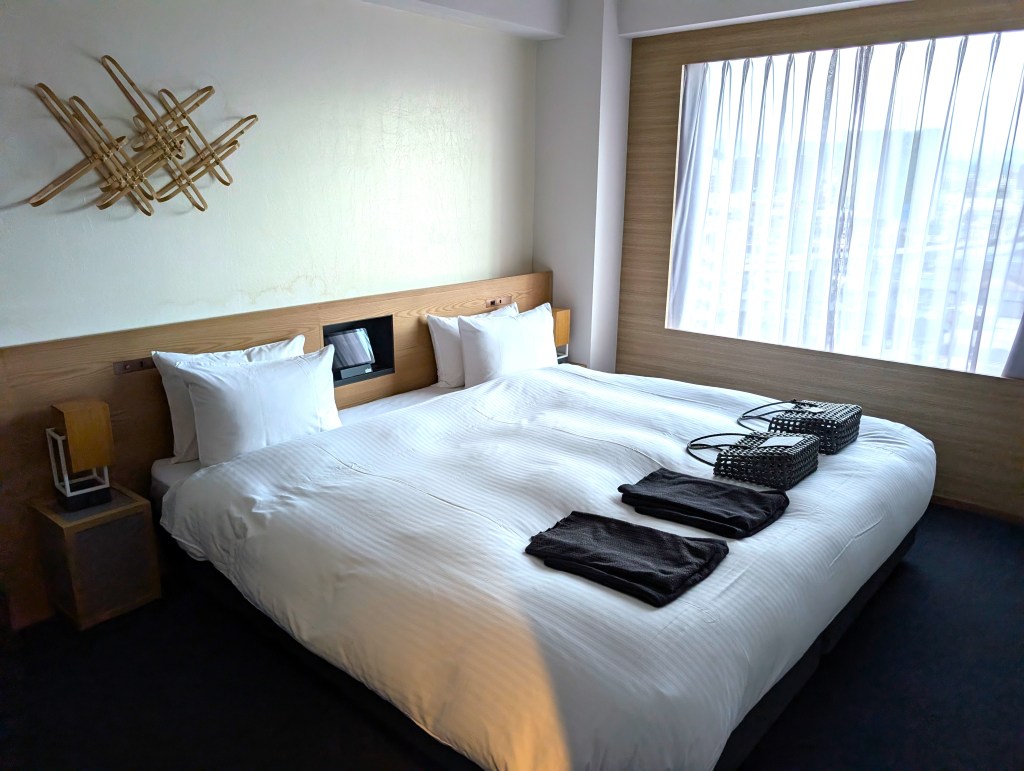
Right in the center of Beppu, Amanek Beppu Yula-re is a stylish, modern onsen hotel with a spectacular rooftop infinity pool and unique, sophisticated architecture. The striking timber decor is reminiscent of Beppu’s traditional takezaiku bamboo work as it drops from the ceiling in dramatic geometric lines and patterns. In the rooms you’ll also find a quintessentially Japanese atmosphere with a refined modern twist – tatami flooring, warm wooden accents, and intricate latticework.
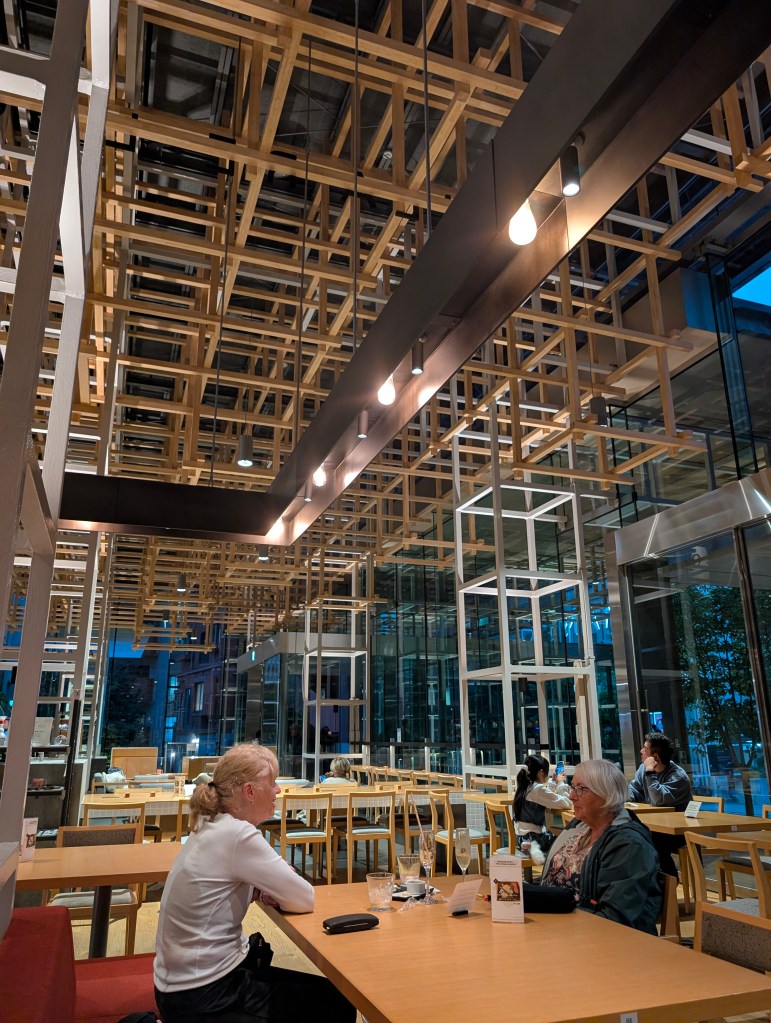
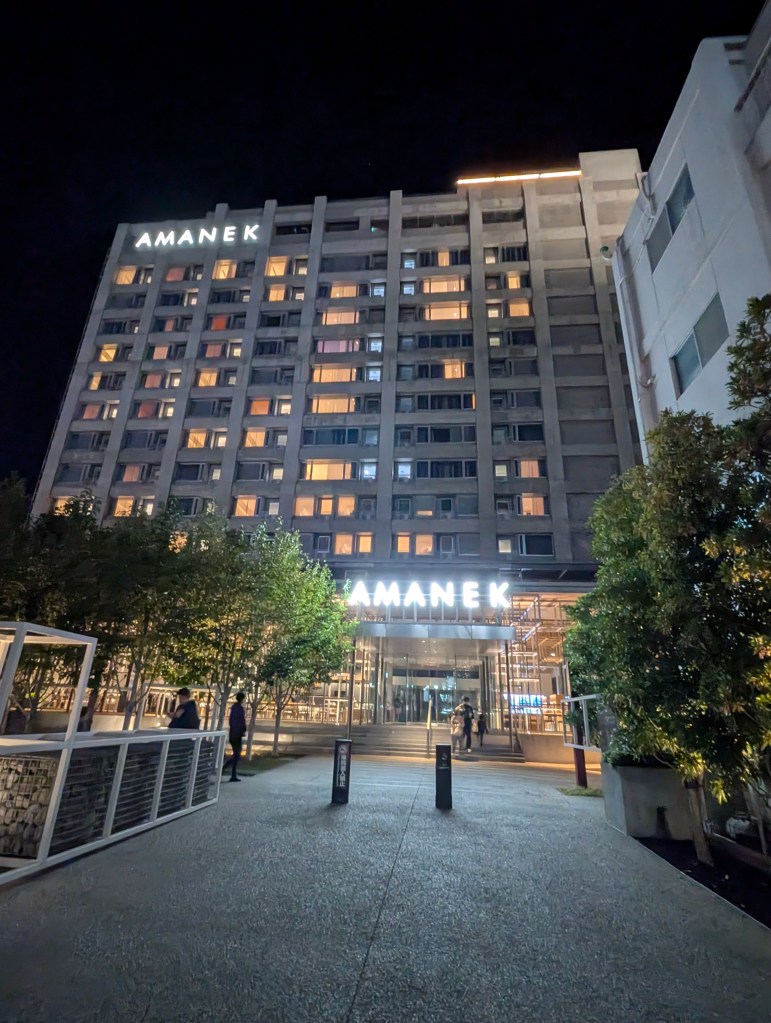
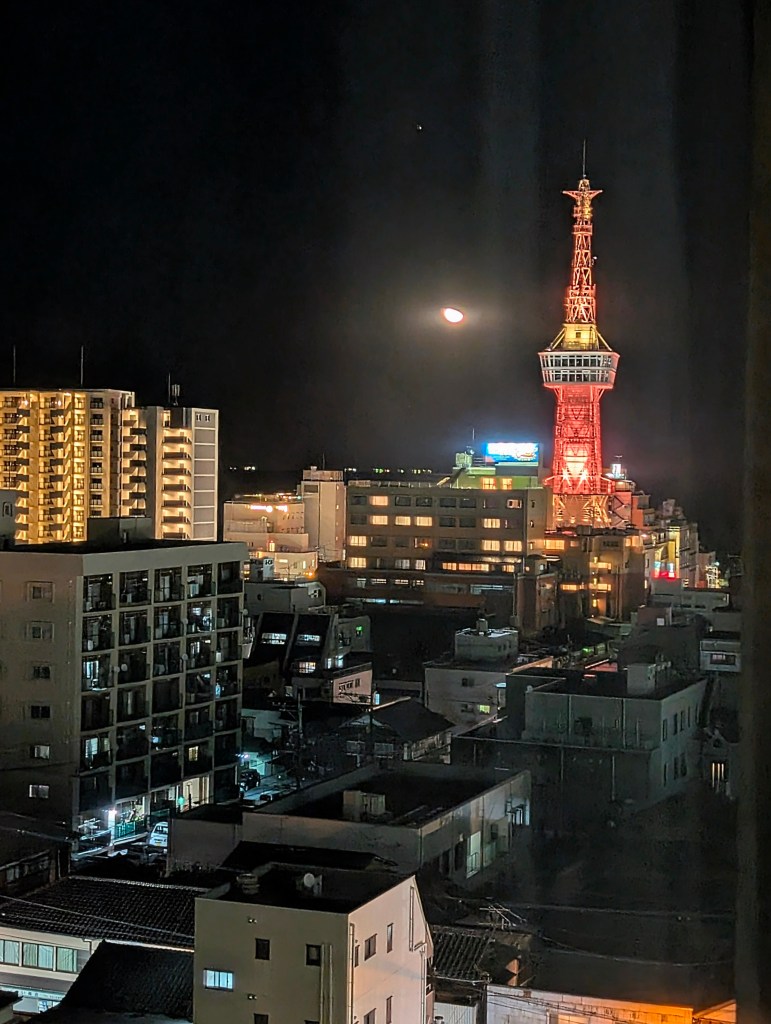
There are stunning views over the city to the tree-covered hillsides and Beppu Bay from the rooftop onsen pool and jacuzzi as well as from the rooms. On the 14th floor you’ll find an indoor onsen and in the lobby from 2 – 10.30pm enjoy ‘Free Flow’ alcohol for just 1000 Yen. The hotel also offers a range of traditional yukata for guests to wear throughout the hotel and beyond.
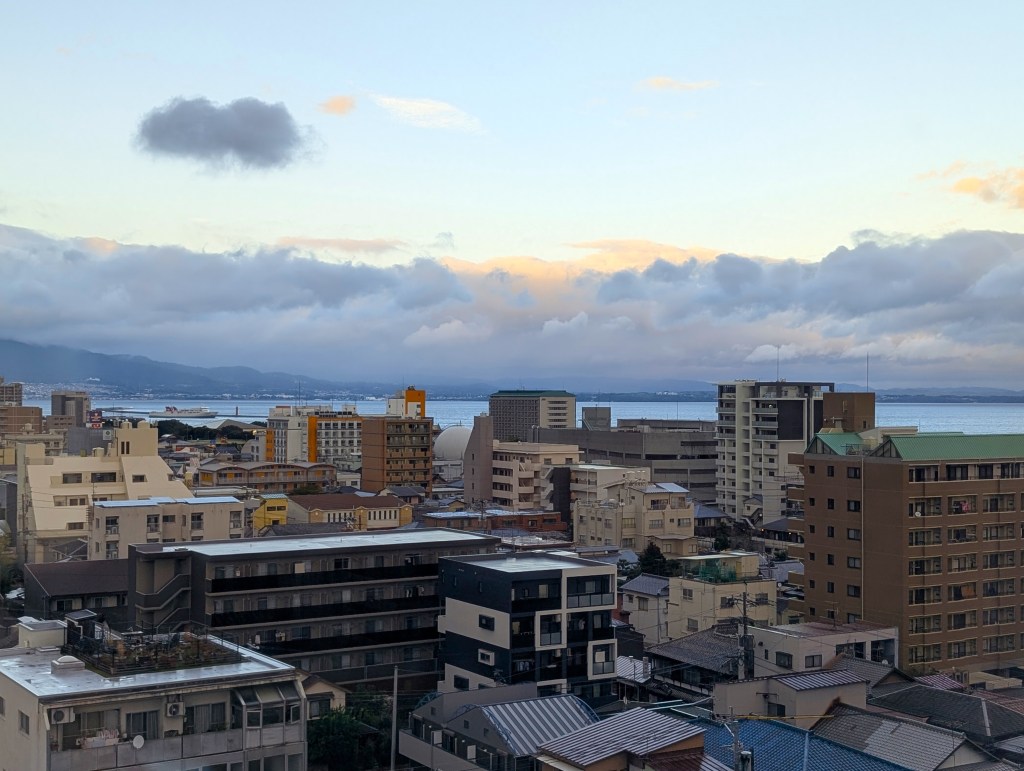
This is the perfect place to escape the hustle and bustle of everyday life and enjoy a little luxury in the hot spring town of Beppu.
Getting There:
- About 1 hour by car from Fujii Distillery
- Approx. 3 minutes from JR Beppu Station and 6 minutes from the Kitahama Bus Stop which also connects the city to Oita Airport
Address: 6-35 Ekimae Honmachi, Beppu City, Oita Prefecture 874-0934, Japan
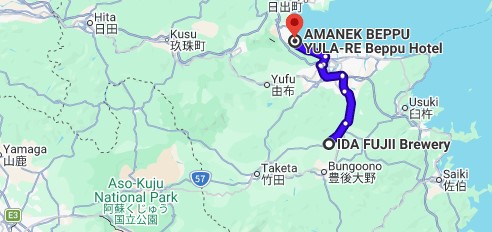
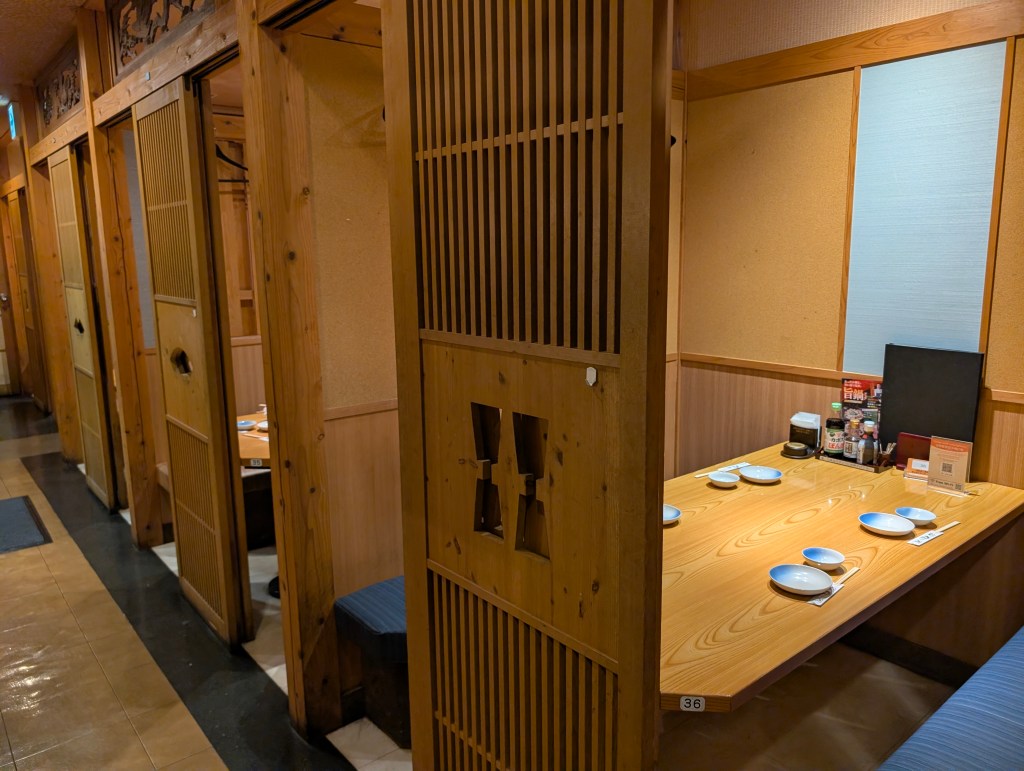
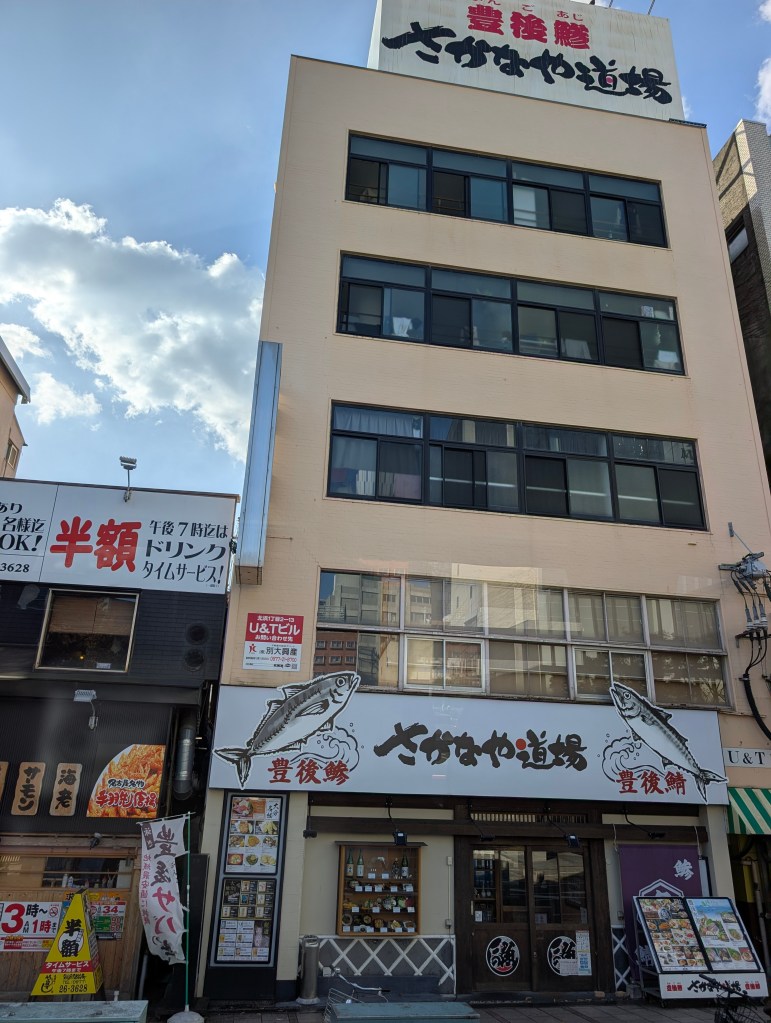
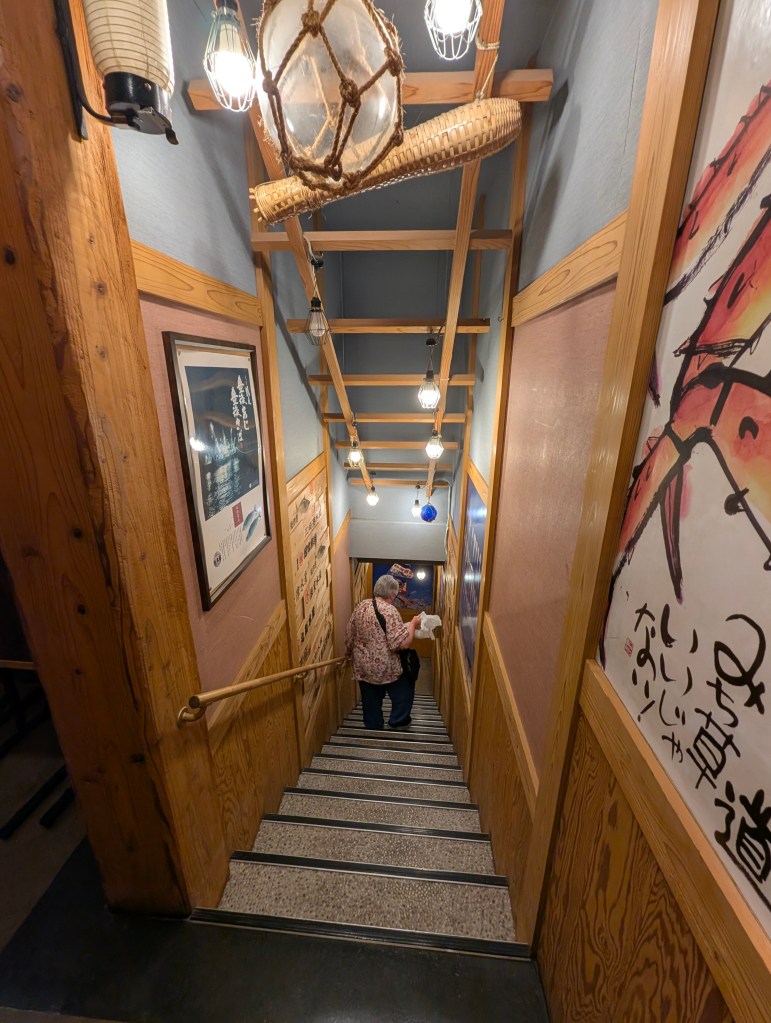
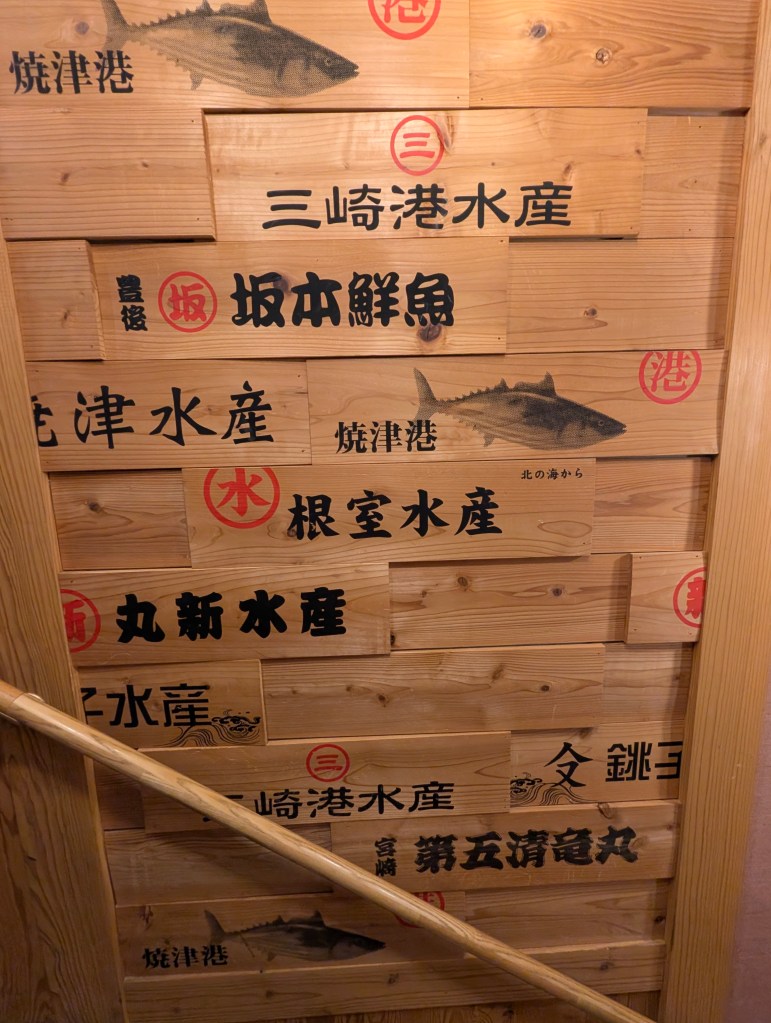
Dinner: Seafood Izakaya Sakanya Dojo – Seafood Izakaya Sakanaya Dojo, located near Beppu Station’s East Exit, offers a diverse menu featuring high-quality, fresh seafood dishes such as tuna sashimi, fried oysters, and Dango-Jiru. There are private dining rooms on the second floor for an intimate atmosphere, or counter seating and an open restaurant downstairs.
Address: First and second floors of U & T Building – 1 Chome-2-13 Kitahama, Beppu, Oita 874-0920, Japan.
Day 7: Beppu
Hells of Beppu:
With more hot springs than anywhere else in Japan, Beppu takes the crown as the nation’s top hot spring destination.
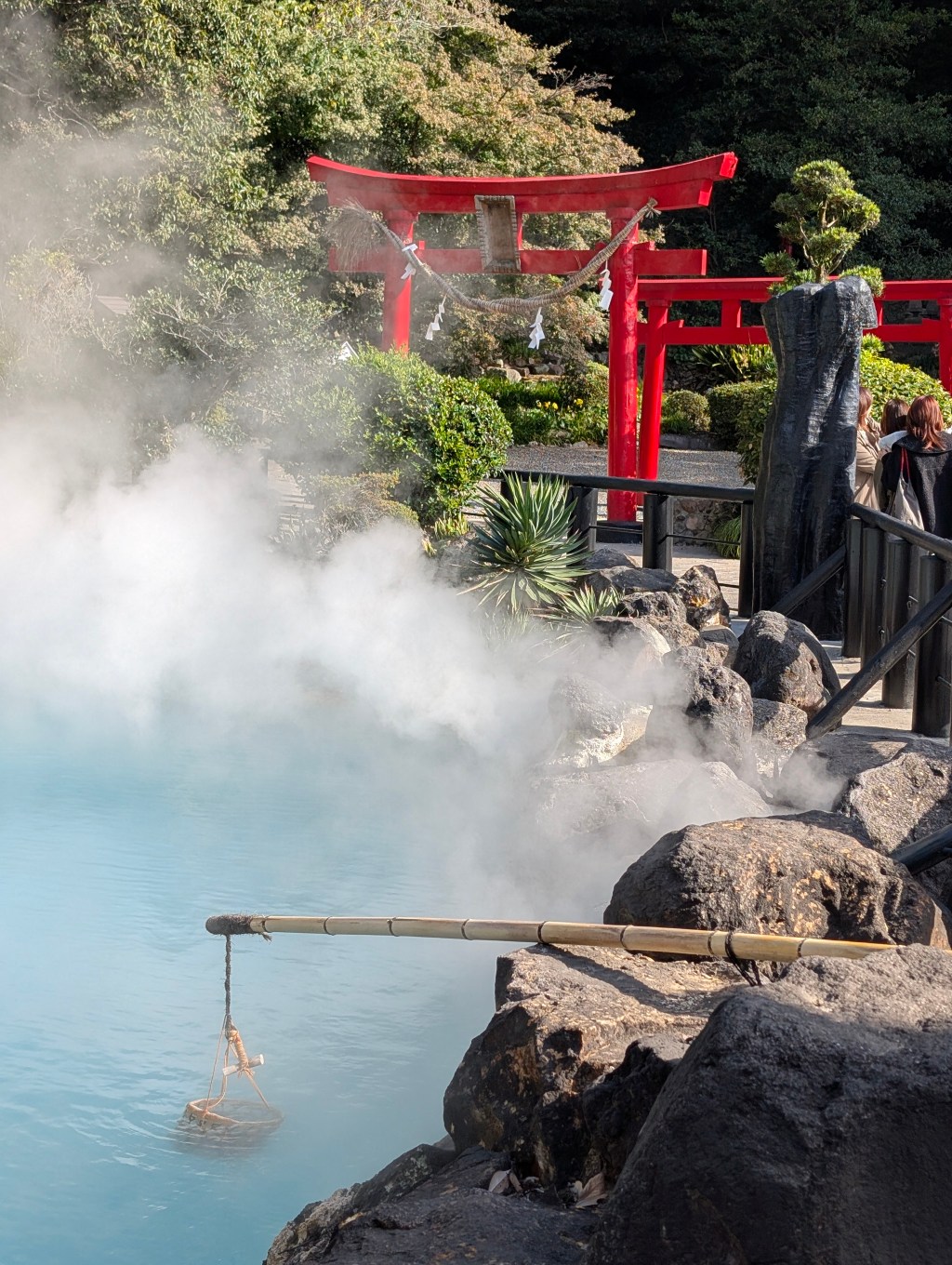
Spend the morning exploring the geological wonders of Beppu including a tour of the Hells of Beppu (Jigoku Meguri). With names like Blood Pond Hell and Sea Hell, these natural wonders offer visitors a captivating and surreal experience of the Earth’s geothermal activity. The tour also includes entrance to the Beppu Onsen Museum which delves into the science, history, and culture of the hot springs in Japan.
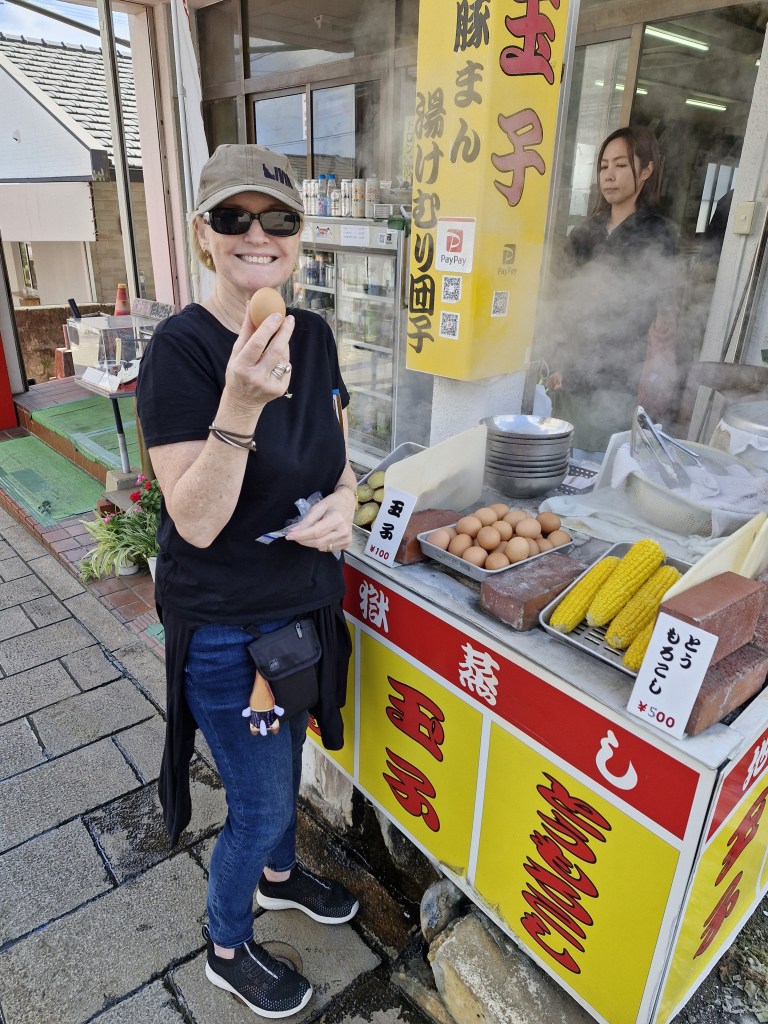
Afterwards, treat yourself to a ‘Hell Egg’ from the stall across the road – known as onsen-tamago or jigoku-mushi eggs, they are cooked in the hot springs, boiled or steam-cooked using the natural geothermal steam reaching up to 90°C. Delicious! 😋
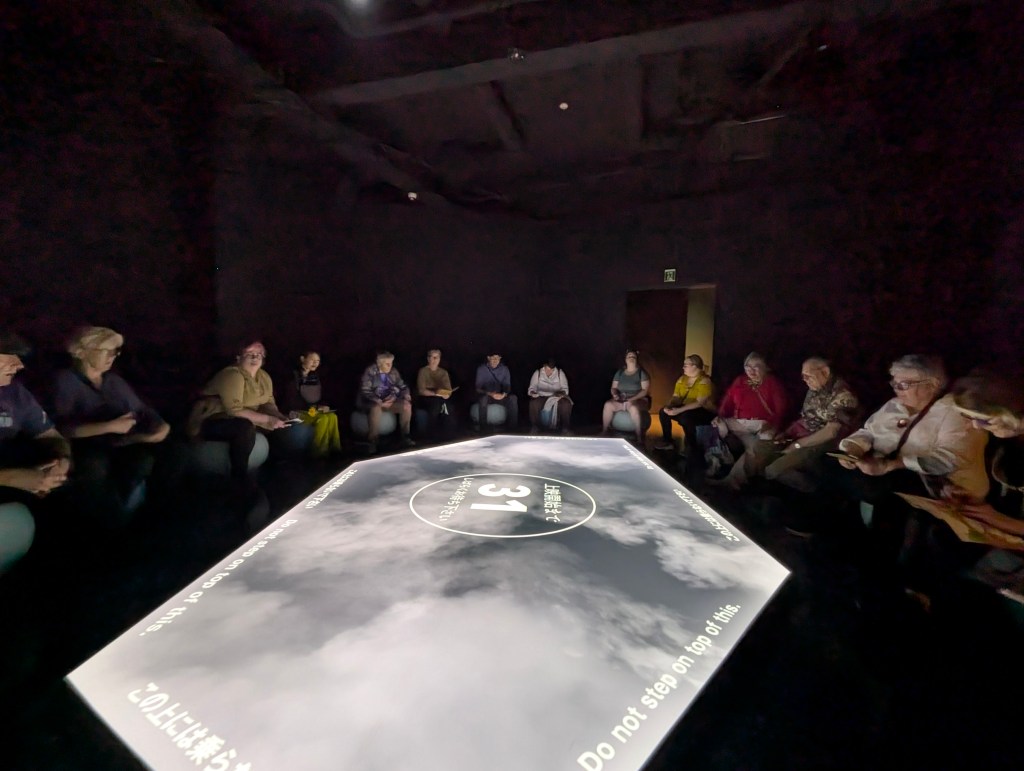
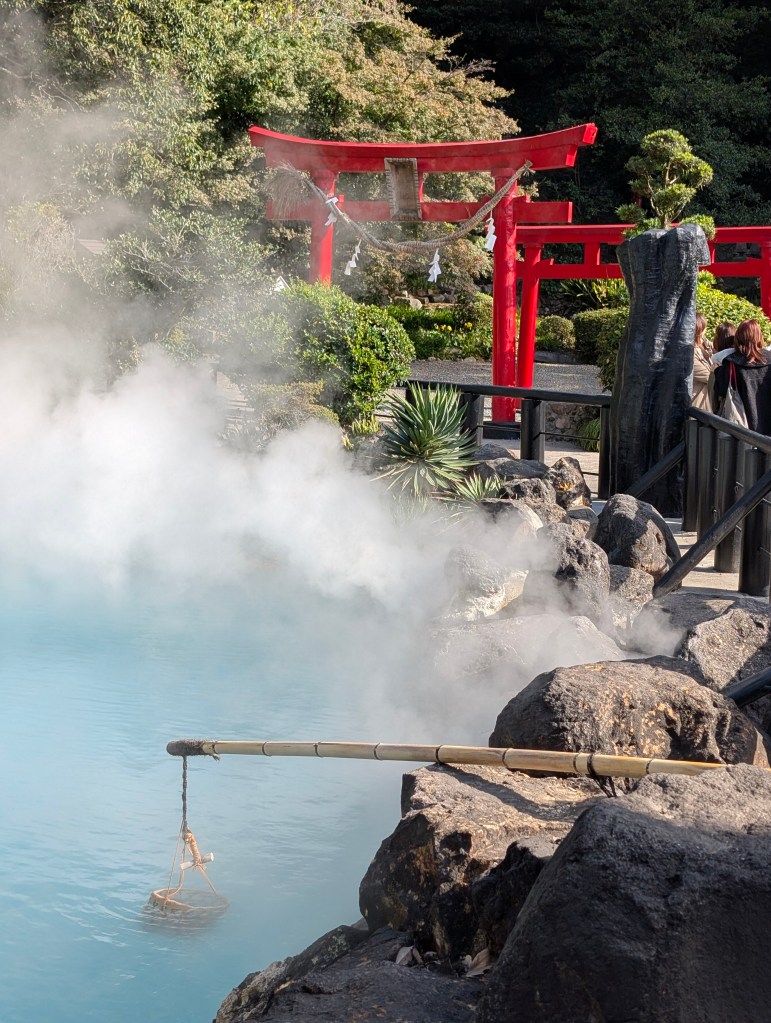
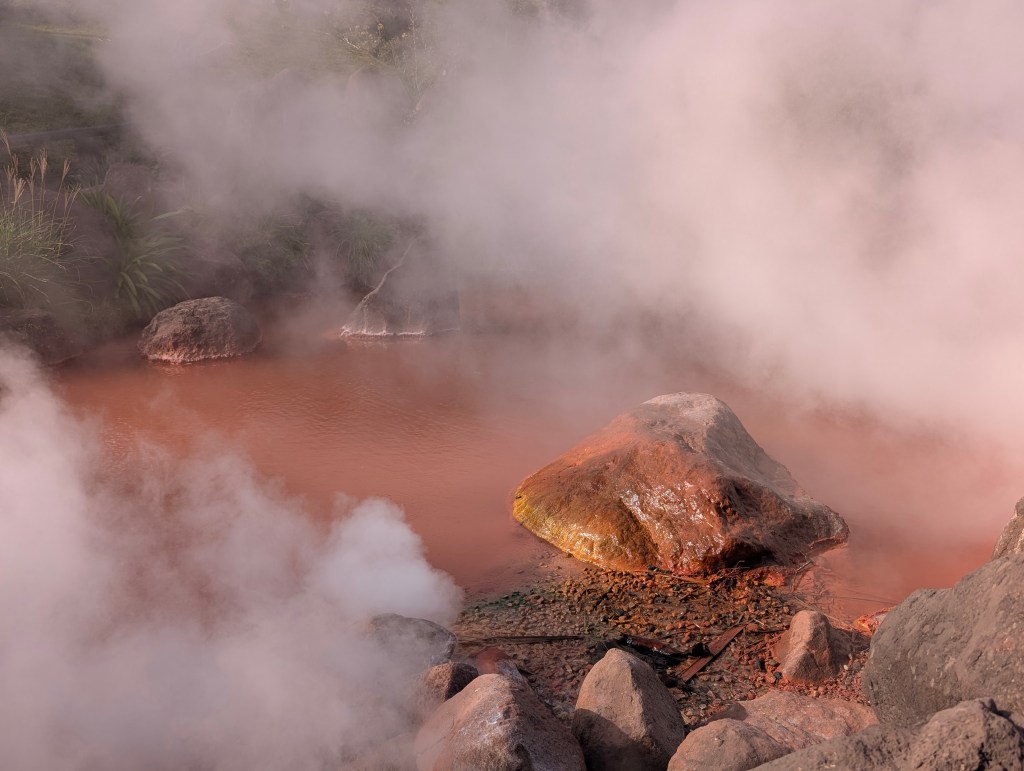
The ‘Hells’ (jigoku) of Beppu are seven spectacular hot springs for viewing rather than bathing in, displaying steaming ponds of various colors, bubbling mud pools and other hydrothermal activity.
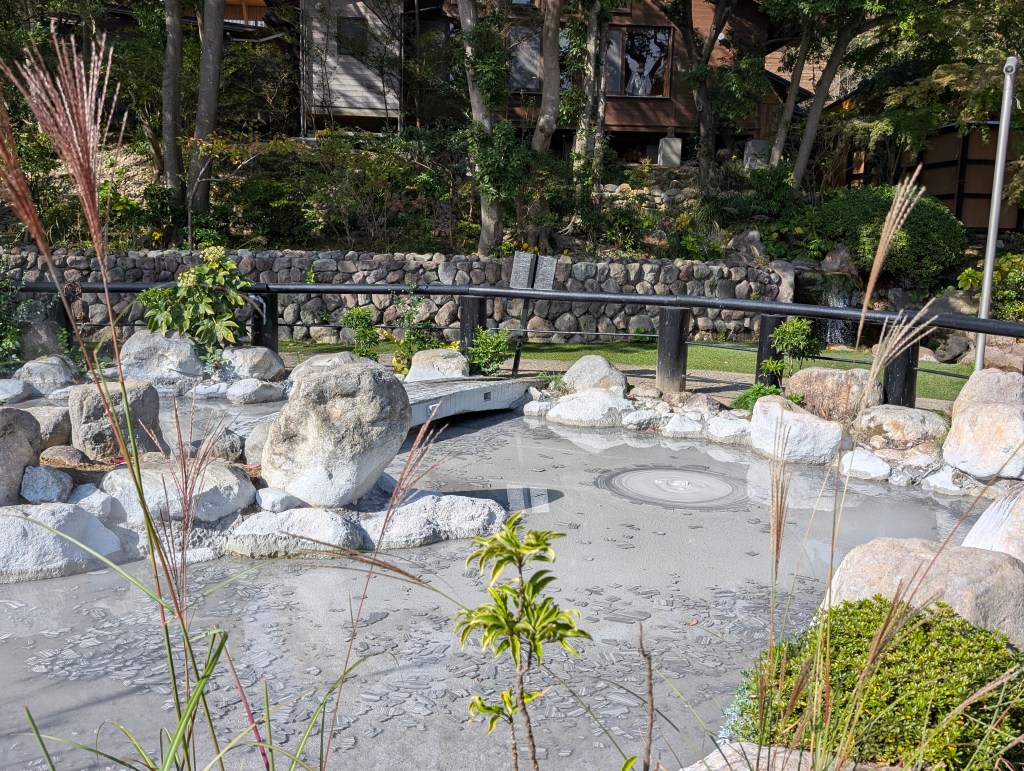
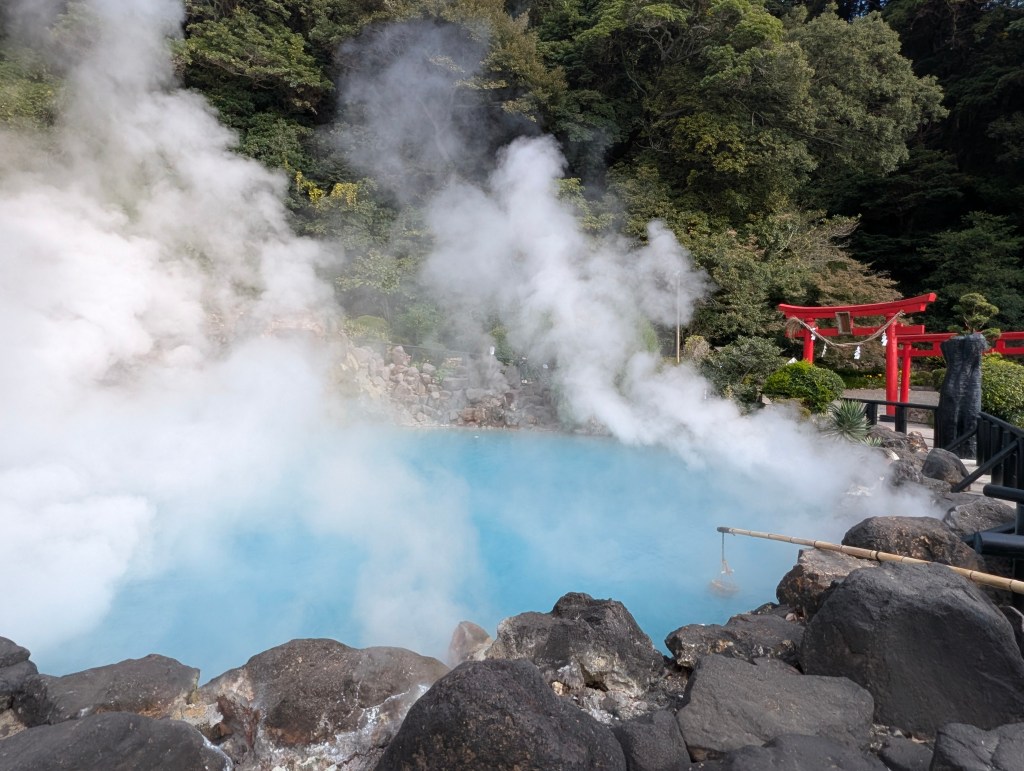
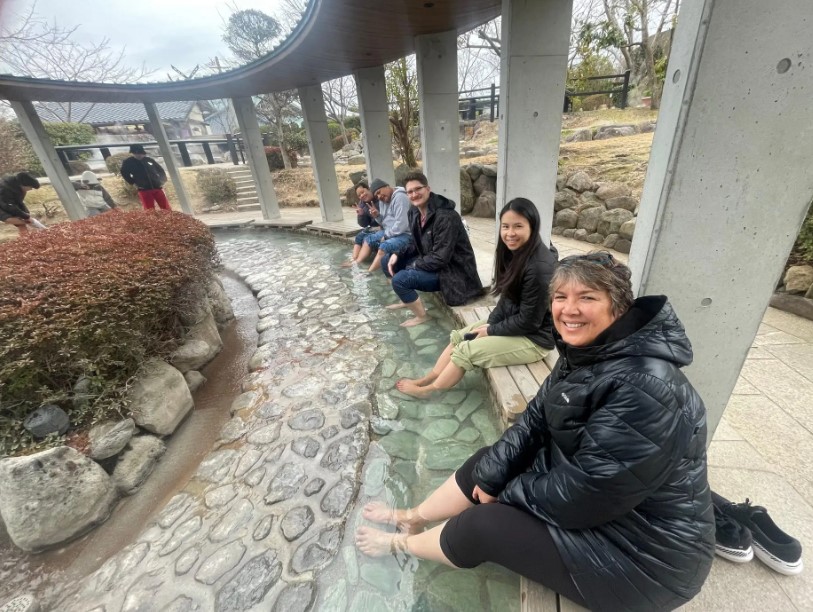
In addition to the spectacular “Hells”, discover the beauty of the giant lillies growing in a greenhouse heated by the steam of Umi Jigoku, and then soak your feet in the warm geothermal waters of one of the many free foot baths (ashiyu) scattered around the ‘Hells’.
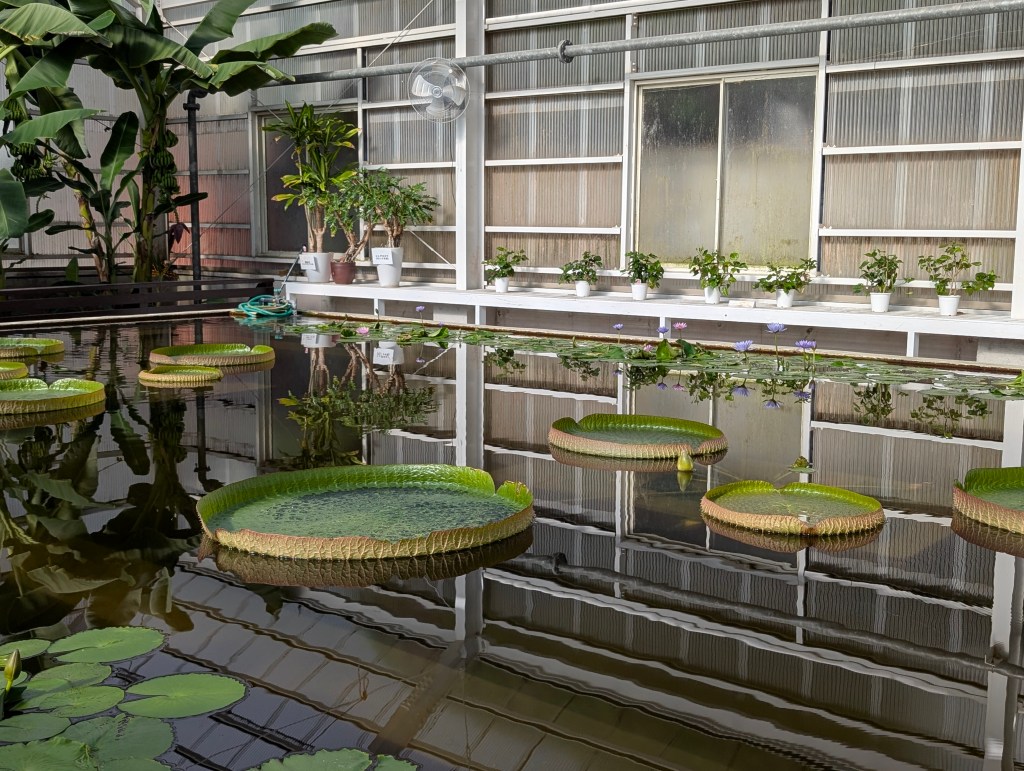
It’s good for the soul 🙏
Getting There:
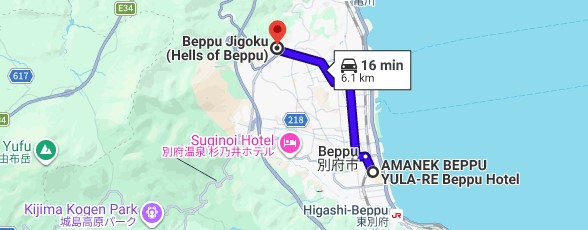
- Just 16 minutes by car from Amanek Beppu Yula-re Hotel
- Approx. 20 minutes by bus from JR Beppu Station (West Exit) – costs around 300 Yen
Address: 559-1 Kannawa, Beppu, Oita 874-0000, Japan
Book a Guided Tour:
Beppu: Express “Hells” Tour — Top 3 Jigoku Highlights
Discover the geothermal wonders of Beppu on a guided tour of Umi Jigoku, Oniishibozu Jigoku, and Shiraike Jigoku. Learn about the science behind the mud’s movement and the meaning of the site’s name.
Yufuin Village:
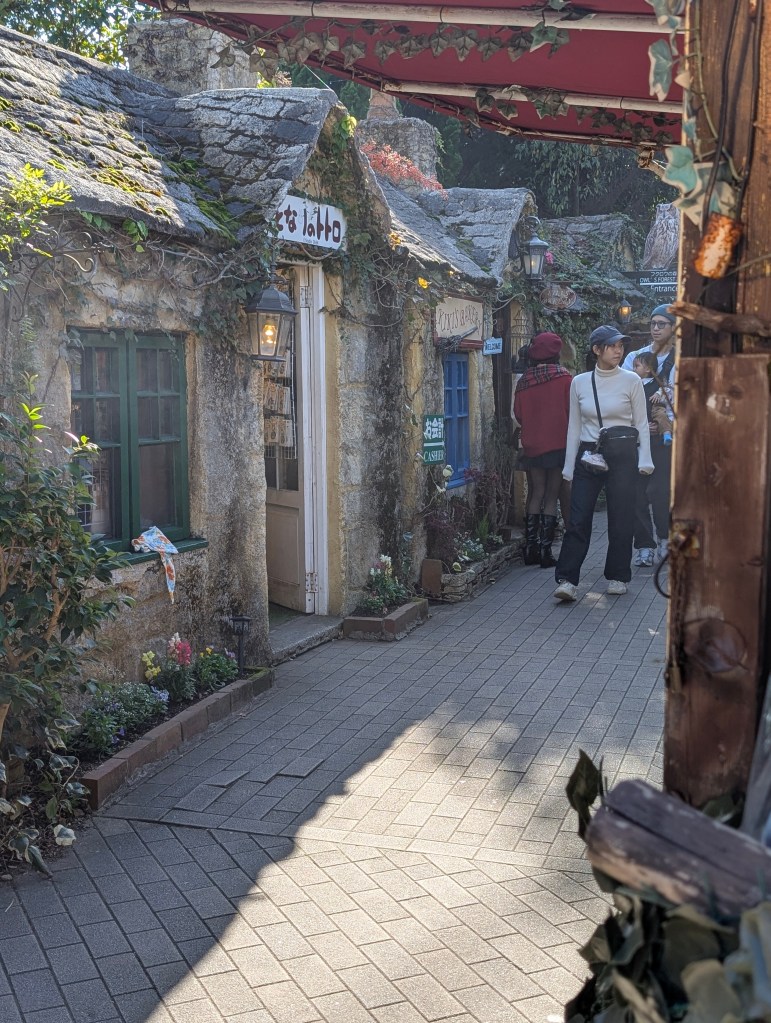
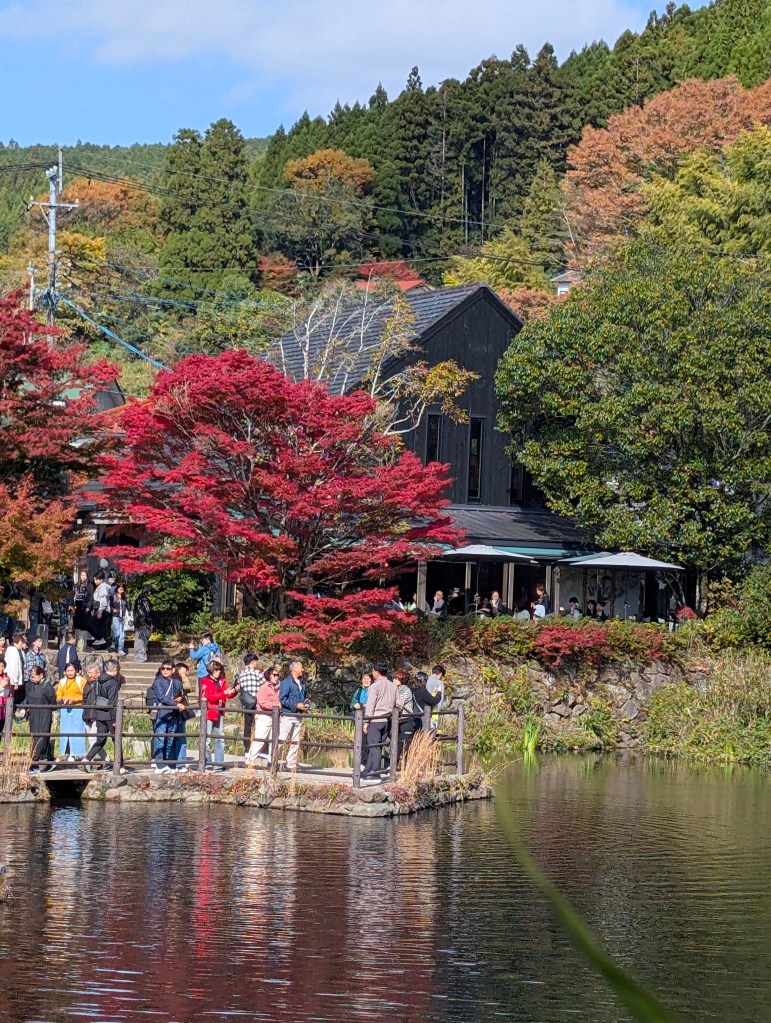
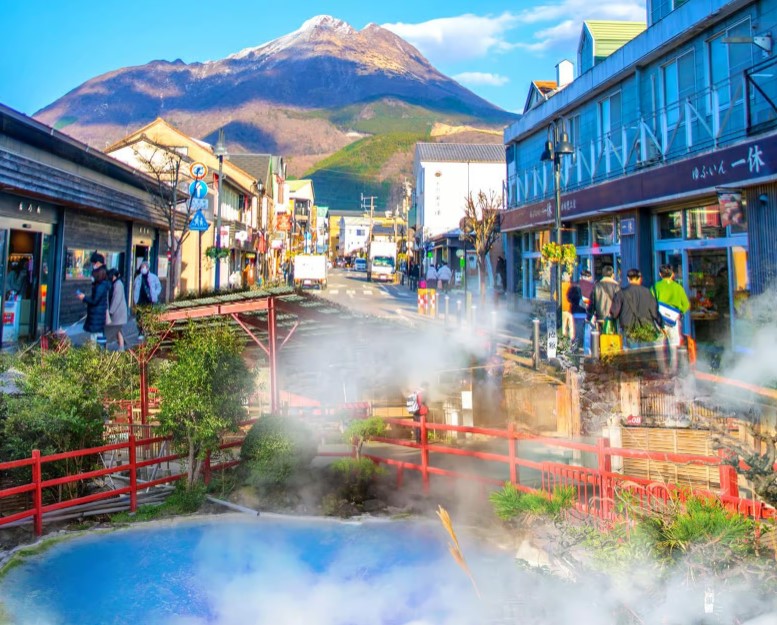
Once you are feeling relaxed from your soothing foot bath and you’ve eaten your fill of Onsen-tamago, head out to the picturesque town of Yufuin where you can stroll through quaint streets of the Yufuin Floral Village, treat yourself to lunch, pop into the boutiques and handicraft stores, and admire serene Lake Kinrin, a small lake at the end of the town’s main walking route. There are walking paths surrounding the lake as well as more small shops and cafes, and a small Shinto Shrine at the lake’s southern end.
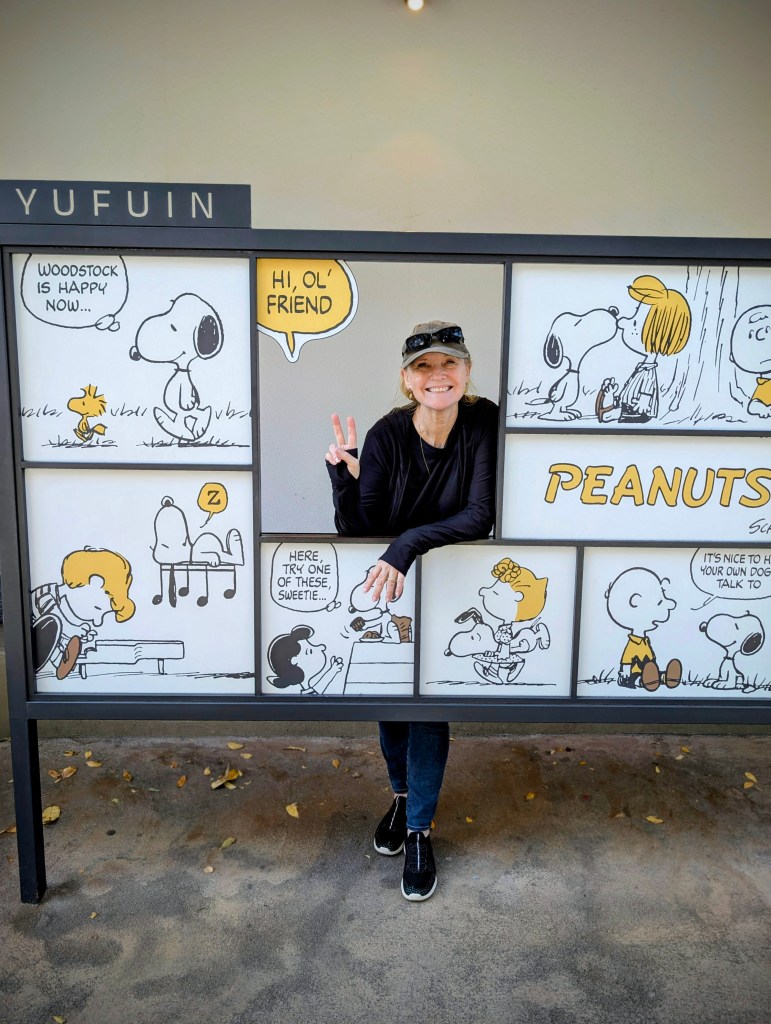
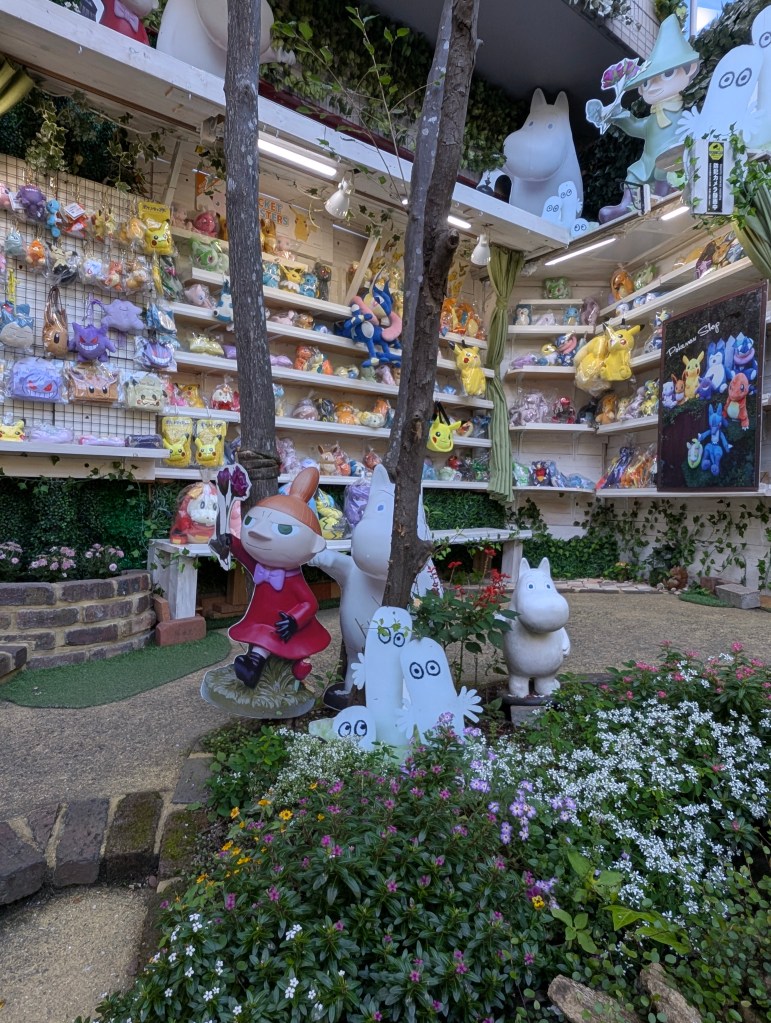
Yufuin Floral Village is a whimsical, Cotswolds-inspired tourist attraction and shopping area modelled after the English countryside with stone cottages, cobblestone paths and themed stores selling mercandise from Studio Ghibli, Moomin, Peanuts, Peter Rabbit and much more. There are charming cafes and food stands, even a small petting zoo. It’s a delightful way to spend the afternoon!
Getting There:
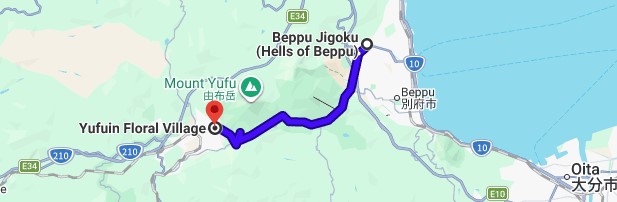
- Approx. 30 minutes from the Hells of Beppu
- Approx. 5 minute drive or a 10 to 15-minute scenic walk from Yufuin Station
Address: 1503-3 Yufuincho Kawakami, Yufu, Oita 879-5102, Japan
Book a Guided Tour:
Fukuoka: Yufuin & Beppu Tour, Sapporo Brewery, AoT Museum
Uncover Kyushu’s charm in a day—stroll Yufuin’s scenic streets, explore Beppu’s steaming hells, enjoy culture, nature and local flavors on this fun tour from Fukuoka with 2 options:
- Brewery Course – Anime, Retro Streets & Brewery (Best for: Pop-culture fans, beer lovers, and those seeking a unique, off-the-beaten-path experience).
- Dazaifu Course Tradition & Spiritual Heritage (Best for: Nature lovers, photographers, and traditional culture enthusiasts).
Day 8: Farewell Kyushu!
Beppu:
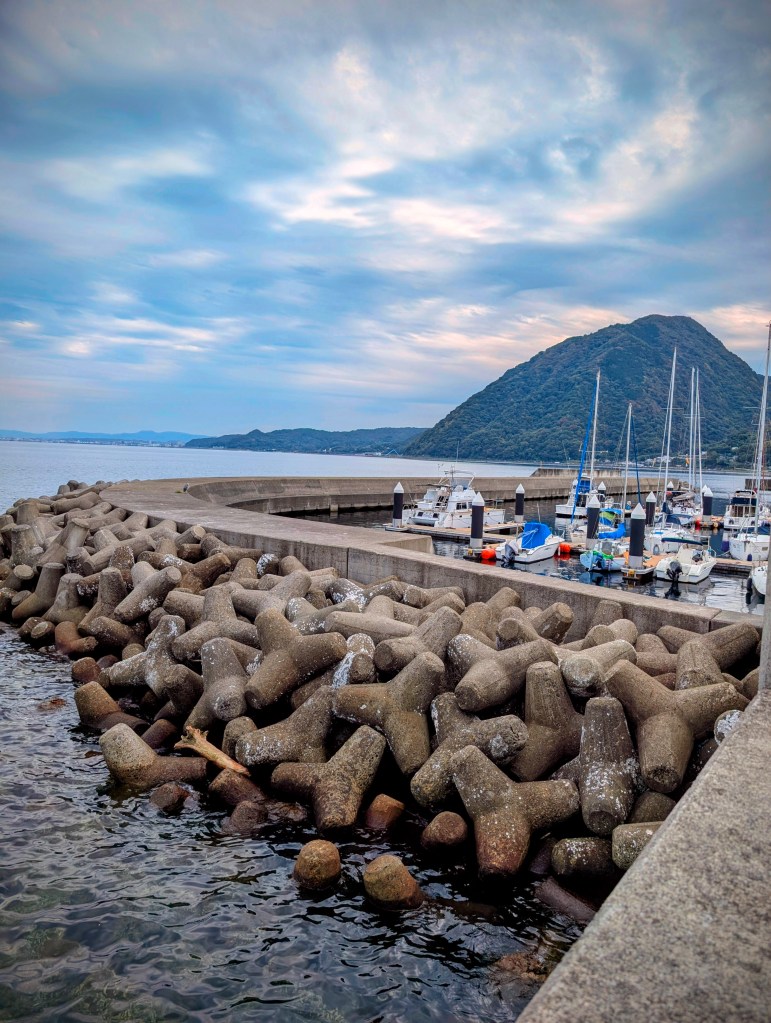
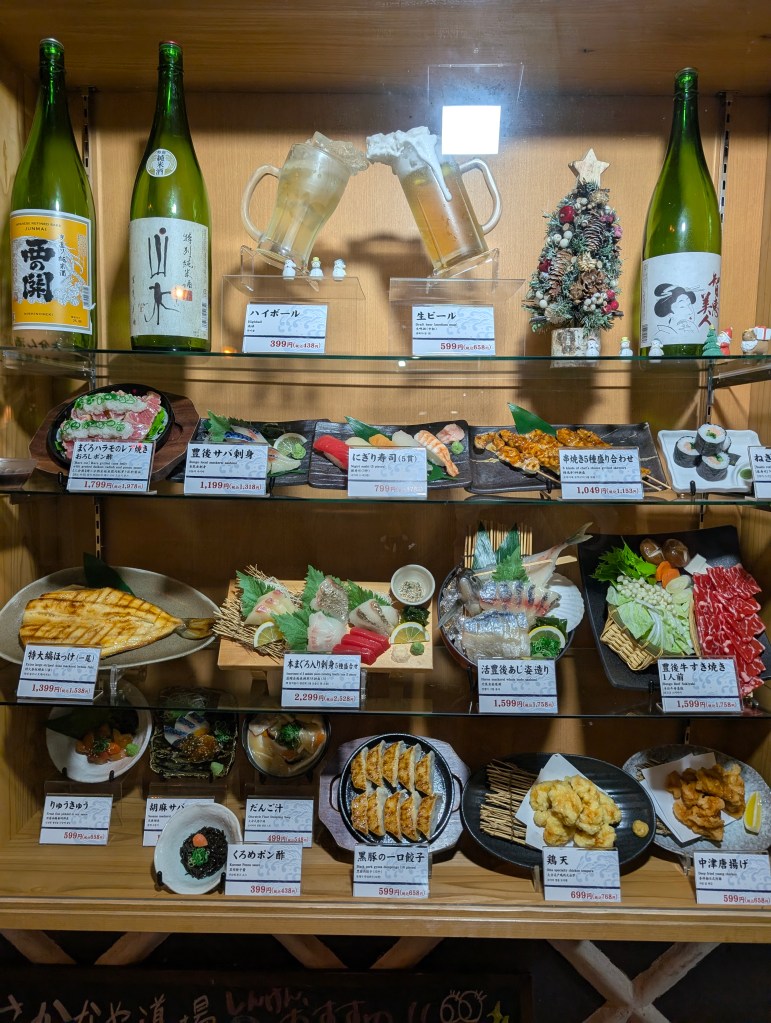
Today, on your last day in Kyushu, immerse yourself in the rich cultural heritage of Beppu. Enjoy delectable local cuisine and flavours, rejuvenate your senses with a thermal sand bath or soak in an onsen, and stroll the seafront before exploring the city’s shops and shopping centres. Peruse traditional bamboo handicrafts, shop the lastest fashion and homewares or pick up a souvenir or two to take home with you.
Book a Guided Tour:
A private tour of Beppu, the world’s best hot spring town – Enjoy a guided tour of Beppu, the best hot spring town in the world. Experience a private hot spring and explore the town’s spectacular natural hot spring photo spots, shrines, by car and walk
Take the Sunflower Ferry to Osaka:

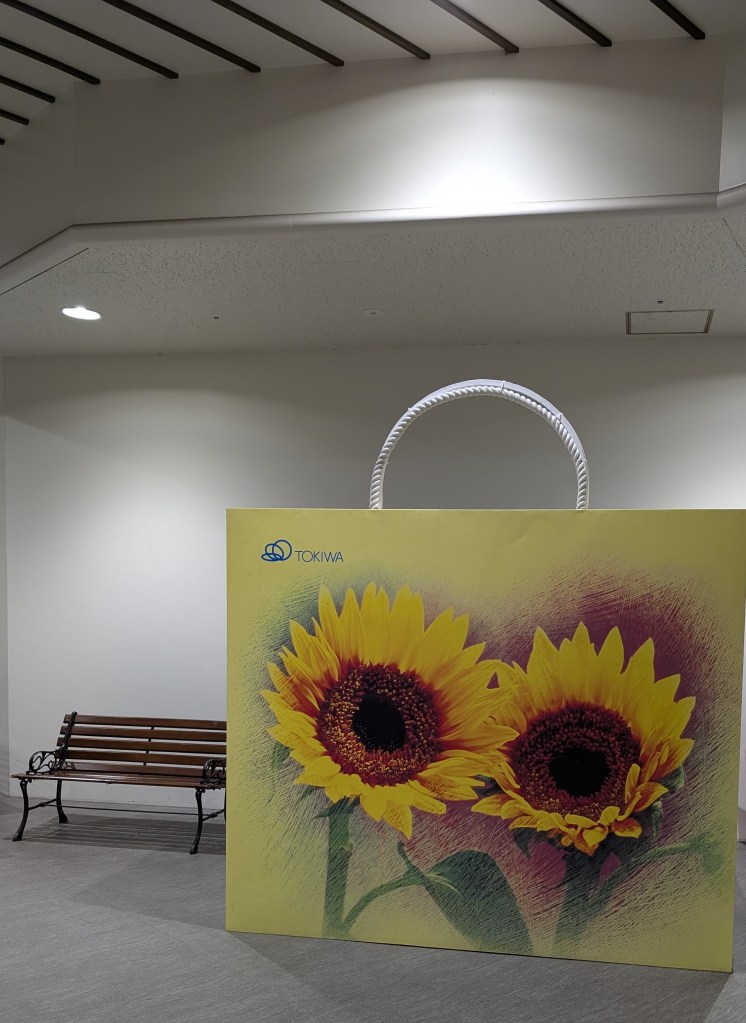
From Kyushu, if you are heading to the bright lights of Osaka and then on to Tokyo, why not take the overnight Sunflower Ferry for a truly unique and enjoyable travel experience. The Sunflower Ferry departs from the Sunflower Beppu Ferry Terminal at 6.45pm and arrives in Osaka at 6.35am the next morning. There are a variety of cabin types to choose from – Japanese or Western, with or without windows, shared or private.
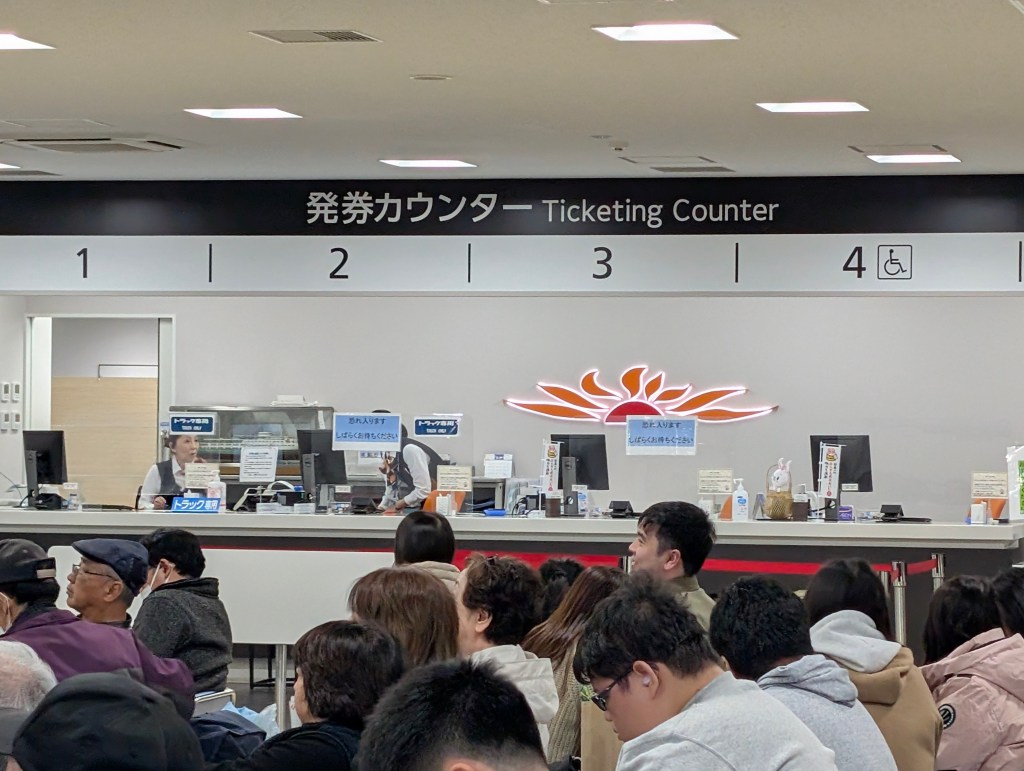
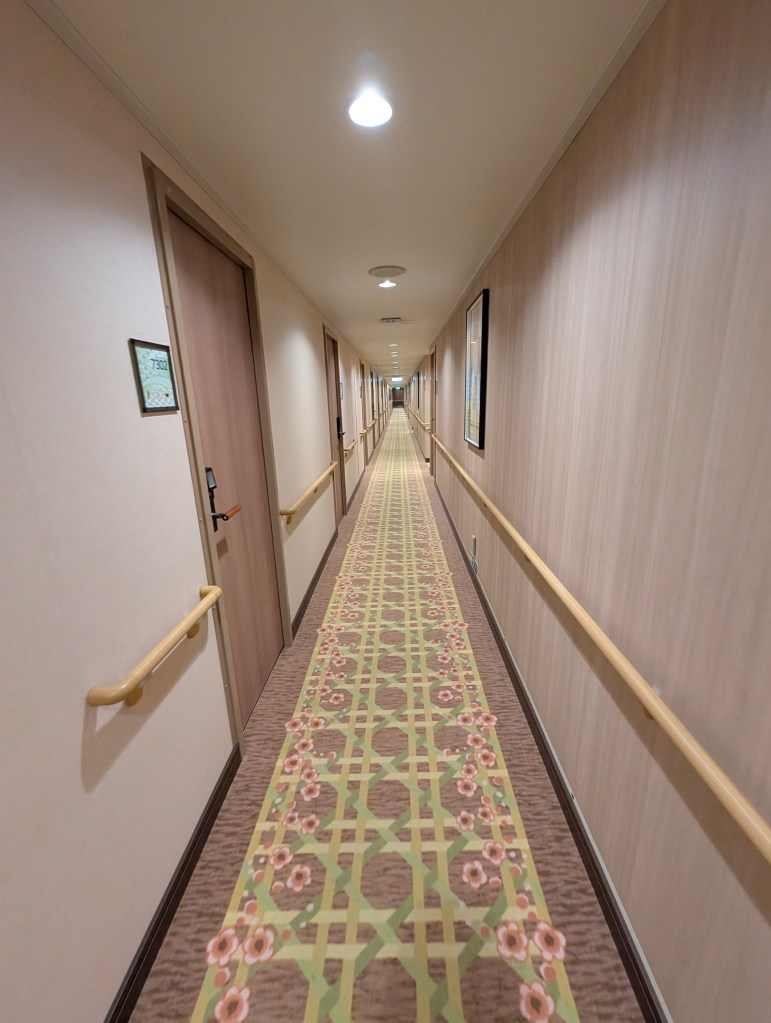
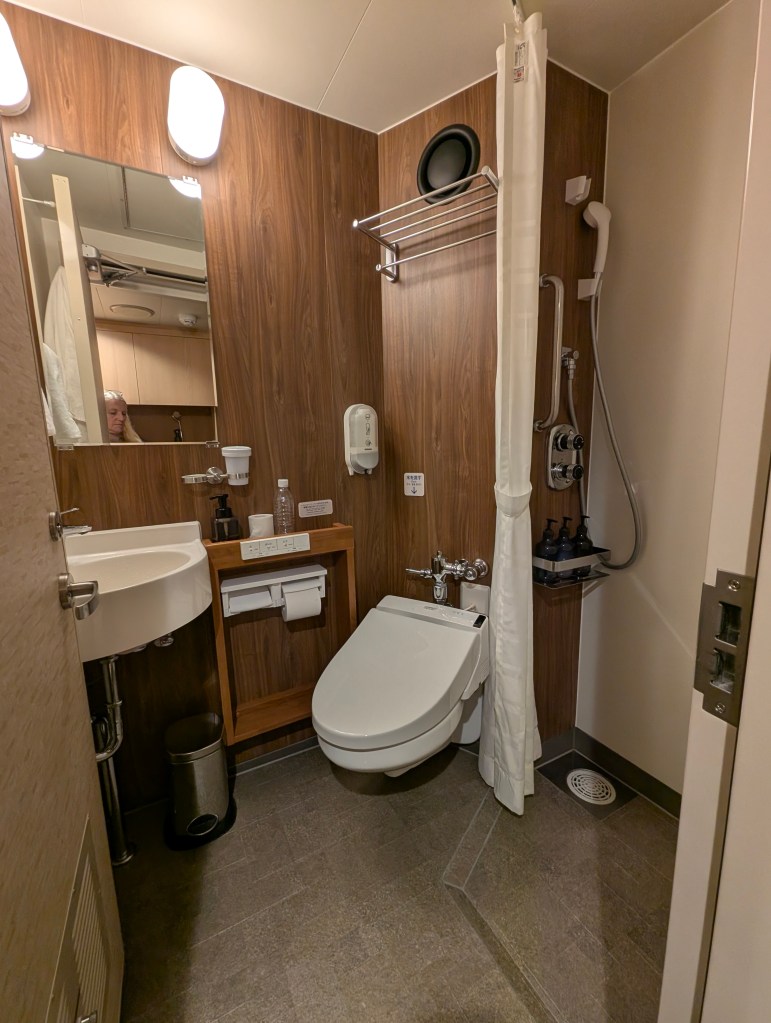
Ours was a compact but comfy Superior Twin cabin with ensuite bathroom. It didn’t have a window but it wasn’t necessary as the majority of the journey was at night.
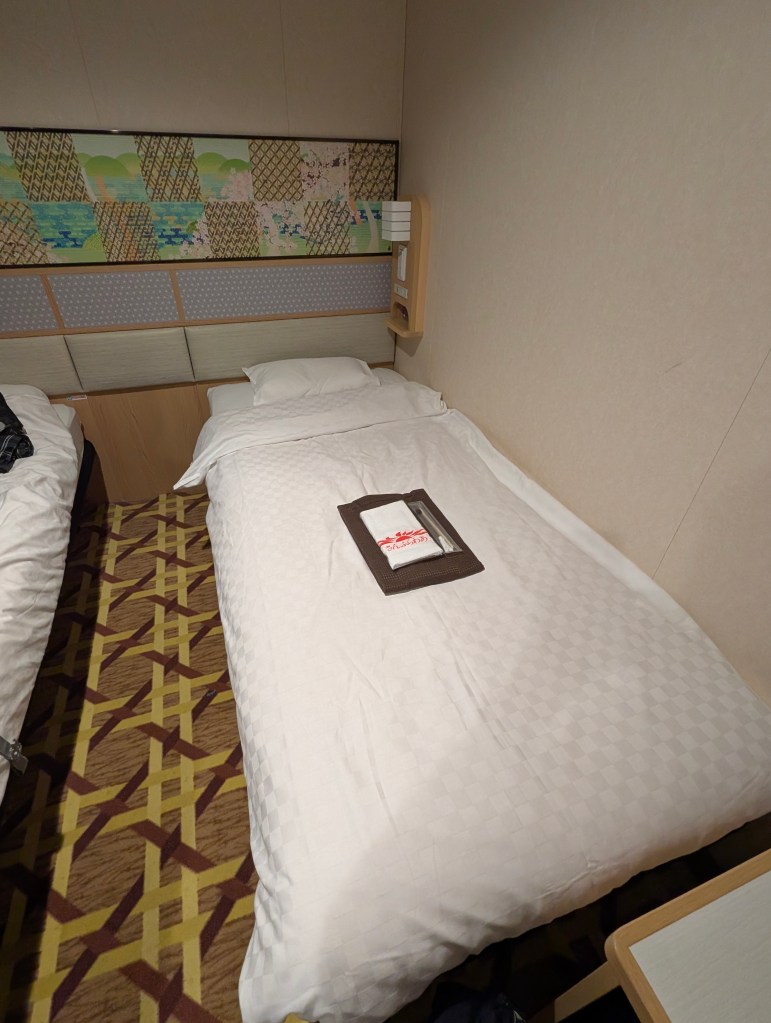
Once settled into your cabin head to the public lounge areas for pre-dinner drinks and lovely views as your ship heads out of port and into the Seto Inland Sea. You can watch the changing seascapes from the ship’s deck, then enjoy a buffet-style dinner in the restaurant which serves Japanese, Western, Chinese dishes and regional delicacies. With musical entertainment after dinner, a ‘captain’s uniform’ photo op and a cool video projection on the domed ceiling of the lounge, it’s a fun way to relax and unwind.

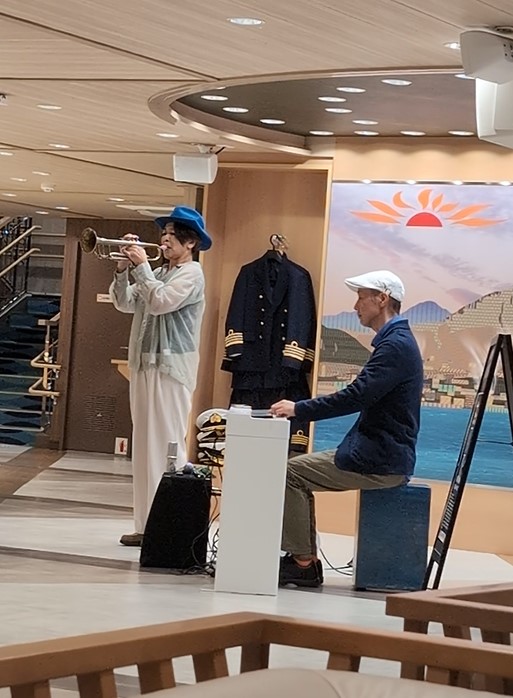
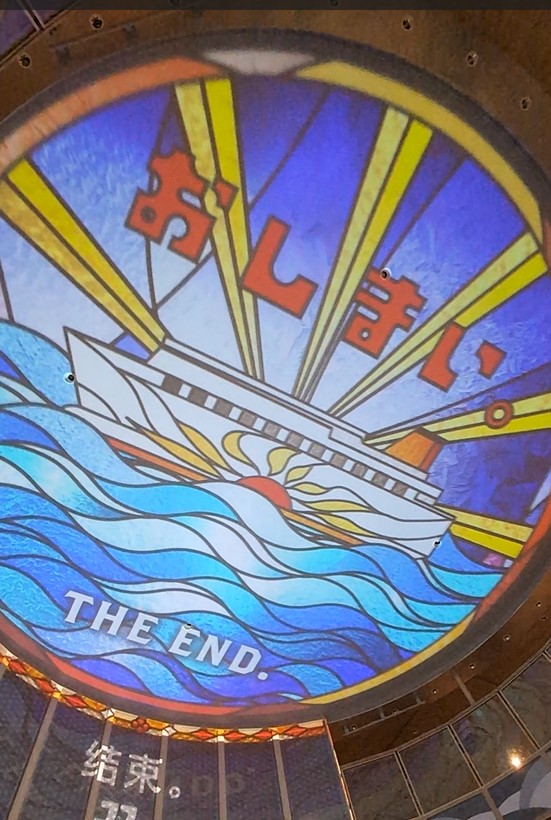
With three daily ferry routes connecting Kansai and Kyushu, and travel time around 12 hours, this unique travel experience is definitely one to add to your bucket list!
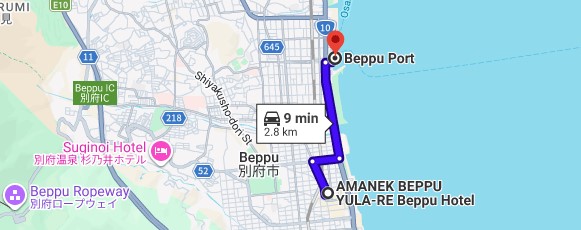
Getting There: Sunflower Ferry Beppu Ferry Terminal (MOL Sunflower) is 9 minutes by car from Amanek Beppu Yula-re Hotel or 10-15 minutes by bus or Taxi from JR Beppu Station.
Address: 944-2 Shiomicho, Beppu, Oita 874-0918, Japan
Hours: Mon to Thur 6:55am–6:45pm, Fri 6:55am- 7:20pm, Sat 7:55am – 7:20pm, Sun 7:55am – 6:45pm
Book Sunflower Ferry tickets – Explore convenience with three daily ferry routes connecting Kansai to Kyushu and return. Travel time is approx. 12 hours, with a variety of room choices to suit your needs. Enjoy meals, a large bath, and the journey on our well-equipped ship.
Explore Further:
Full Itinerary:
Journey to the Heart of Japan & Kyushu: This in-depth 18-day tour from the My Cruises Touring Collection, explores Japan’s hidden gems – the stunnng natural landscapes of Kyushu, the unspoilt villages of Gifu, the old samurai towns of Kanazawa and Matsumoto, the vibrant bustling cities of Osaka and Tokyo, and the spectacular Japanese Alps. Stay in an onsen resort, take a trip on the bullet train, be hands-on in craft workshops, spot snow monkeys, and enjoy delicious local cuisine along the way.
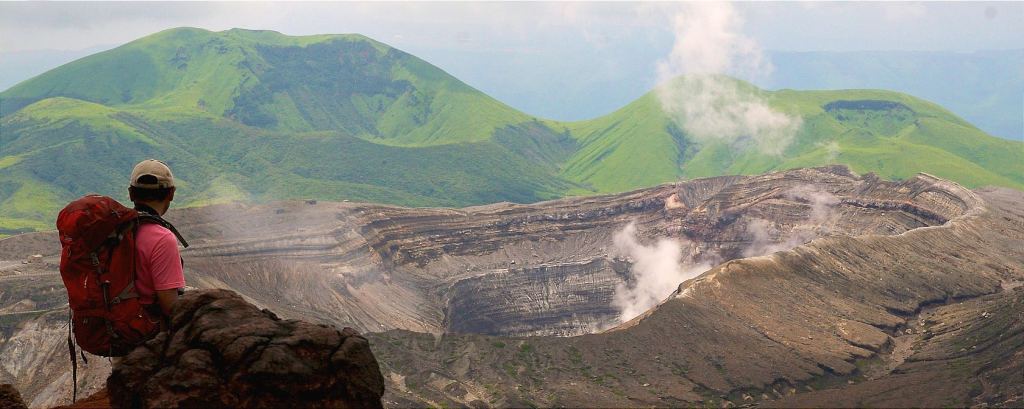
Kyushu – Land of volcanoes, ancient religious sites and a galaxy of regional cuisines japan-guide.com
Hakata Okiage – the traditional Japanese 3-dimensional art of layering fabric to create a raised artwork. This video explains the steps and processes to creating a raised fabric image.
Thanks to My Cruises Touring Collection for organising an amazing, well-planned and very enjoyable tour!