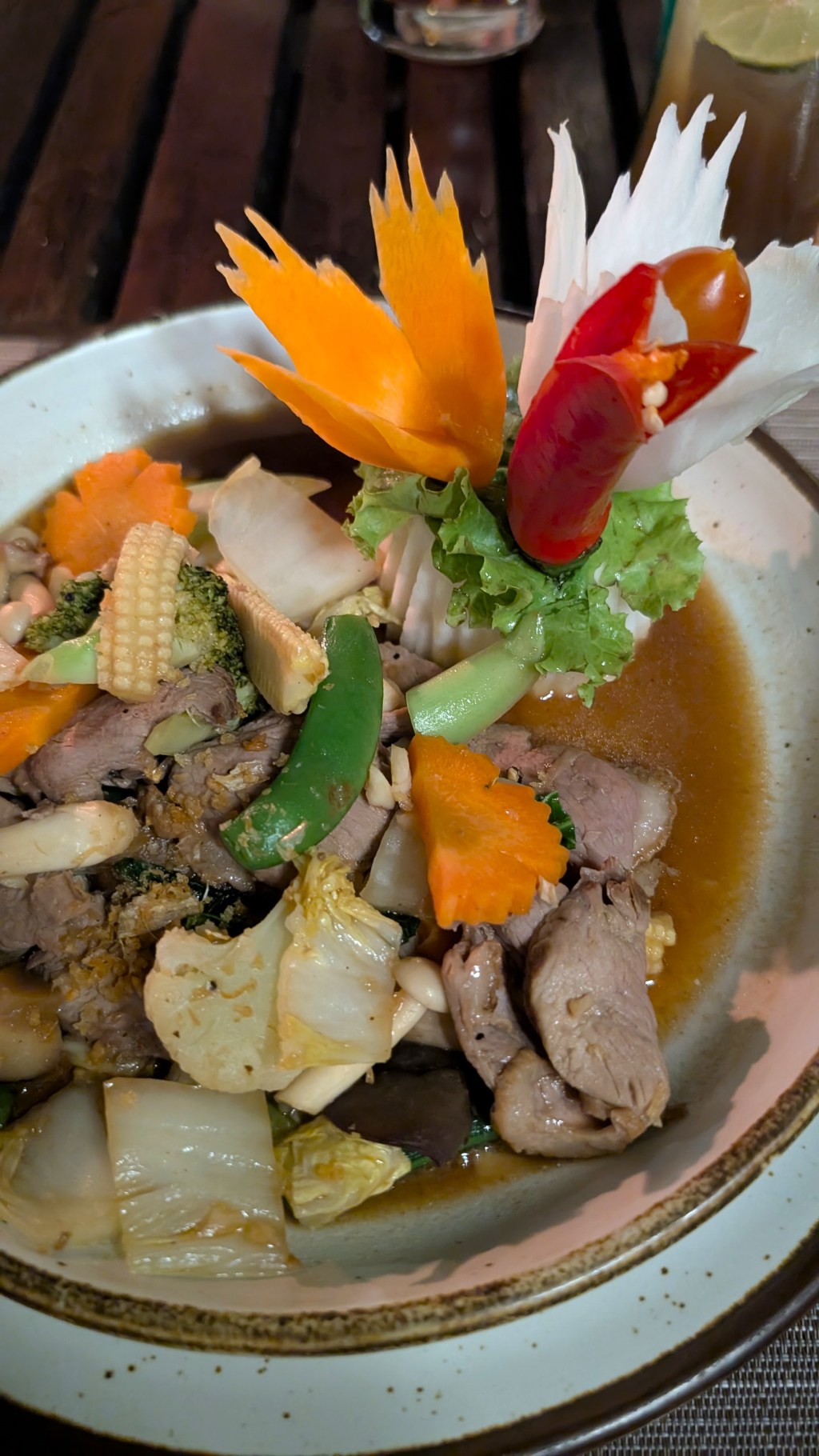
Thai cuisine is a vibrant fusion of flavors, textures, blending influences from India, China, Malaysia, and even Portugal (chilies came via Portuguese traders). We are all familiar with Thai food’s balance of five key tastes – sweet, sour, salty, bitter & umami, but what about the cooking technique itself?
This delightful description by Love Thailand beautifully illustrates the exotic and exciting technique of Thai cooking at street level. Smell the flavours, hear the sizzle and watch as the wok master works his magic!
The Dancing Wok
Before dawn breaks in Bangkok, the wok master arrives at his street corner to begin the daily ritual. He stacks baskets of fresh vegetables, arranges bottles of fish sauce and oyster sauce, and fires up his massive propane burner beneath the well-seasoned wok. This simple, round-bottomed pan is the true heart of Thai cooking, a tool so versatile it can fry, steam, braise, and smoke with equal grace. Its thin walls respond instantly to heat, allowing the chef to go from roaring fire to gentle simmer in seconds. For the true street food artist, the wok is not just a pan but an extension of the hand itself.
As the first customers arrive for breakfast, the wok comes alive with a symphony of sizzles and clangs. The master tosses handfuls of holy basil, chilies, and pork into the curved vessel, where everything dances together in a blur of motion and flame. A quick toss sends the contents flying skyward before landing perfectly back in the pan, each ingredient coated evenly in the fragrant sauce. The wok’s high, sloping sides contain the chaos while allowing steam to escape, creating the coveted “wok hei”—that smoky, charred essence that defines authentic Thai stir-fries. Within two minutes, a plate of piquant pad kra pao emerges, perfect and piping hot.
By midday, the same wok transforms for curries and soups without ever being fully cleaned between uses. The master simply rinses it with water, swirls it once, and returns it to the fire, each layer of previous meals adding depth to everything that follows. Coconut milk now bubbles gently in the curved pan, infusing with galangal and lemongrass for a fragrant tom kha. The wok’s shape allows even the thickest curry to circulate freely, never scorching despite the intense heat below. It is this adaptability that makes the wok the undisputed throne of the Thai street kitchen.
As night falls and the crowds swell, the wok glows red with exhaustion yet continues its tireless dance. The master’s arms ache, but his rhythm never falters, flipping mountains of rice and seafood with practiced ease. Each dish emerges in mere minutes, yet carries the weight of generations who have tended similar woks on similar streets. When the last customer finally leaves near midnight, the master gives his faithful pan a final cleaning, its blackened surface a testament to decades of devoted service. In the morning, the dance will begin again, the wok ready once more to feed the hungry city.
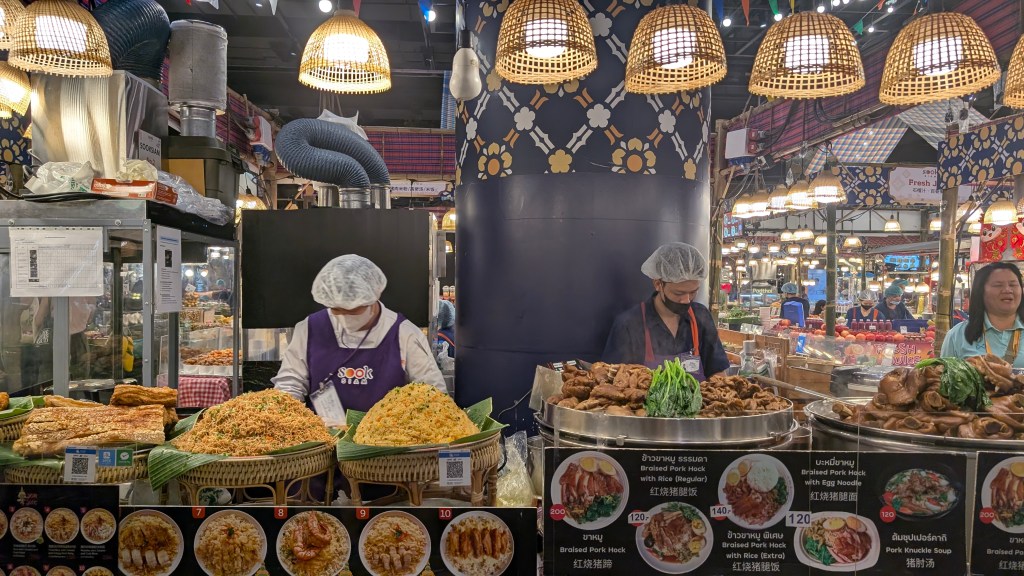
The Golden, Crispy Egg Nest of Yaowarat
The energy of Bangkok’s Chinatown pulsed around me, a chaotic symphony of neon signs and eager crowds. Amidst the frenzy, a single cart commanded a devoted line, its griddle hissing and popping with theatrical flair. This was the domain of Hoi Tod, a crispy oyster omelet that is a true Bangkok street food legend. It is a dish of surprising textures: a lacy, golden-brown nest of crispy, eggy batter cradling plump, briny fresh oysters. The main ingredients are simple—oysters, rice flour, eggs, and a generous sprinkle of garlic chives—yet their combination is pure magic.
The vendor moved with practiced speed, ladling batter onto the sizzling, oiled griddle until it turned crisp and golden at the edges. He swiftly cracked eggs over the top, tossed in a handful of fresh oysters, and let the edges fry until they were perfectly lacy and caramelized. The entire creation was then flipped in one confident motion, a golden disc of sizzling goodness. A minute later, it was slid onto a waiting plate, a masterpiece of street-level culinary theater. A final squeeze of Sriracha completed the dish.
I took my first bite, and the textural symphony began: the impossibly crispy, eggy lace shattered, yielding to the soft, briny pop of the warm oyster. The sweetness of the seafood mingled with the savory richness of the fried egg, all balanced by a sharp, spicy kick from the chili sauce. It was a contrast of crisp and tender, delicate and bold, all in one mouthful. Each subsequent bite revealed more of the dish’s genius, the simple ingredients transformed by heat and skill. The bustling street faded away, leaving only the incredible flavor.
Standing there, savoring every last crispy bit, I knew Hoi Tod was more than just an omelet. It was a testament to the culinary artistry found on Bangkok’s streets, a dish that elevates humble ingredients into an unforgettable experience. The sizzle of that griddle, the briny taste of the sea, and the electric energy of Yaowarat Road would forever be linked in my memory. It was a perfect, crispy taste of Chinatown’s vibrant soul.
The Four-Ingredient Soul of Thai Food
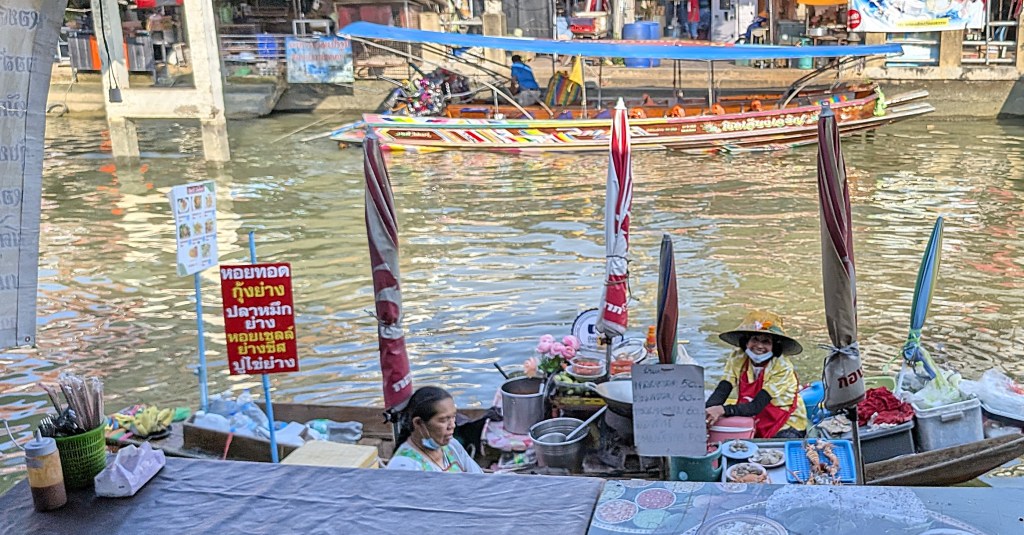
At a busy riverside market in Ayutthaya, I watched a woman prepare her famous grilled fish, but it was a small, unassuming bowl beside her that caught my attention. It contained nothing more than fish sauce, lime juice, fresh bird’s eye chilies, and a single crushed clove of garlic. She called it prik nam pla, the ubiquitous table sauce found on every Thai dining surface. With a knowing smile, she insisted I try it, saying it was the “key to unlock” her grilled fish. I dipped a piece of the flaky, smoky meat into the clear, fiery liquid.
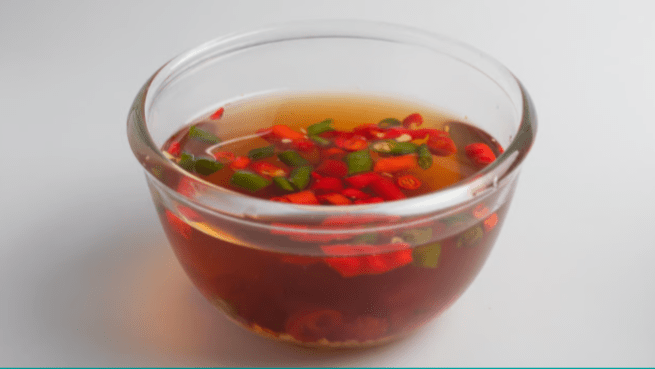
The effect was immediate and electric. The salty depth of the fish sauce was perfectly balanced by the sharp, fresh brightness of lime. Then came the heat—clean, intense, and immediate—from the bruised chilies floating in the amber liquid. A subtle whisper of garlic rounded out the corners, making the combination far more complex than its simple parts suggested. In that single dip, the grilled fish transformed from delicious to unforgettable.
She explained that prik nam pla is more than a condiment; it’s the great equalizer of Thai cuisine. Whether served with a simple plate of rice or an elaborate feast, it allows each person to adjust the flavor to their own perfect point of salt, sour, and spice. It represents the deeply personal nature of Thai cooking, where the final seasoning is always left to the individual. It is the first thing added to the table and often the last thing finished. Without it, she said, a meal feels incomplete.
I spent the rest of the afternoon dipping every morsel of food into that small bowl, each time discovering a new nuance of flavor. As I left, she handed me a small container of her own mix, a parting gift for the road. That tiny, potent sauce taught me that greatness in Thai cuisine isn’t always found in elaborate dishes. Sometimes, it’s found in a humble four-ingredient recipe that holds the power to bring a whole meal—and a culture—to life.
Cooking Tours in Thailand:
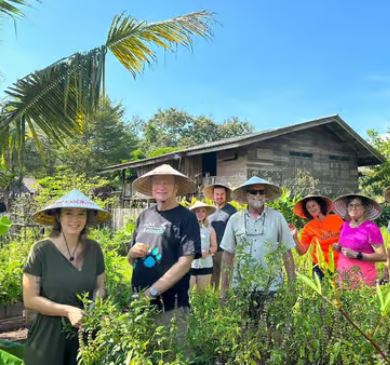
Chiang Mai: Asia Scenic Thai Cooking School – Explore Thai cuisine with a hands-on cooking class & farm visit in Chiang Mai. Hand-pick ingredients, learn to cook diverse dishes and enjoy your meal. Ideal for all. Recipe book included.
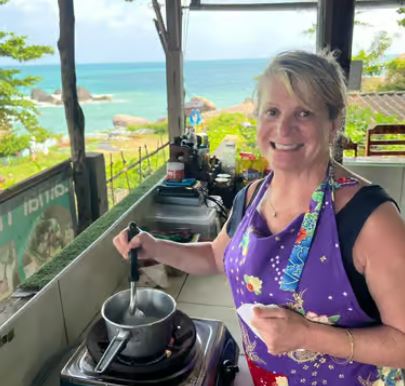
Koh Samui: Thai Cooking Masterclass by the Sea – Learn to create five authentic dishes with expert guidance and enjoy your delicious creations. Cook in an open-air kitchen with sea views, perfect for families, couples, and solo travelers.
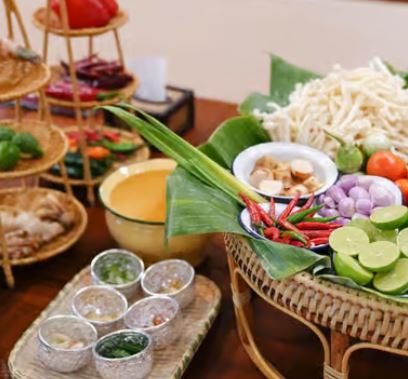
Bangkok: White Lotus Thai Cooking Class with Market Tour – Discover the secrets of Thai cuisine with a hands-on cooking class in Bangkok. Explore a local market, learn how to make fresh coconut milk, and cook 4 authentic Thai dishes.
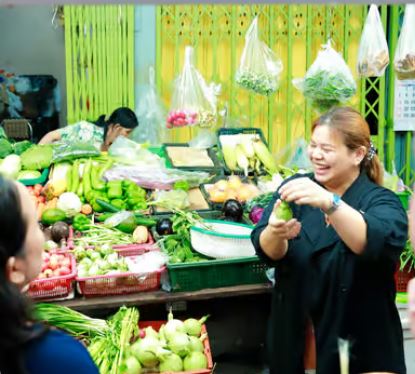
Bangkok: Hands-on Thai Cooking Class and Market Tour – Take part in a fun cooking workshop in Bangkok and make four authentic Thai dishes. Learn how to carve a mango in the afternoon and evening classes and explore the fresh market for the morning class.
Explore Further:
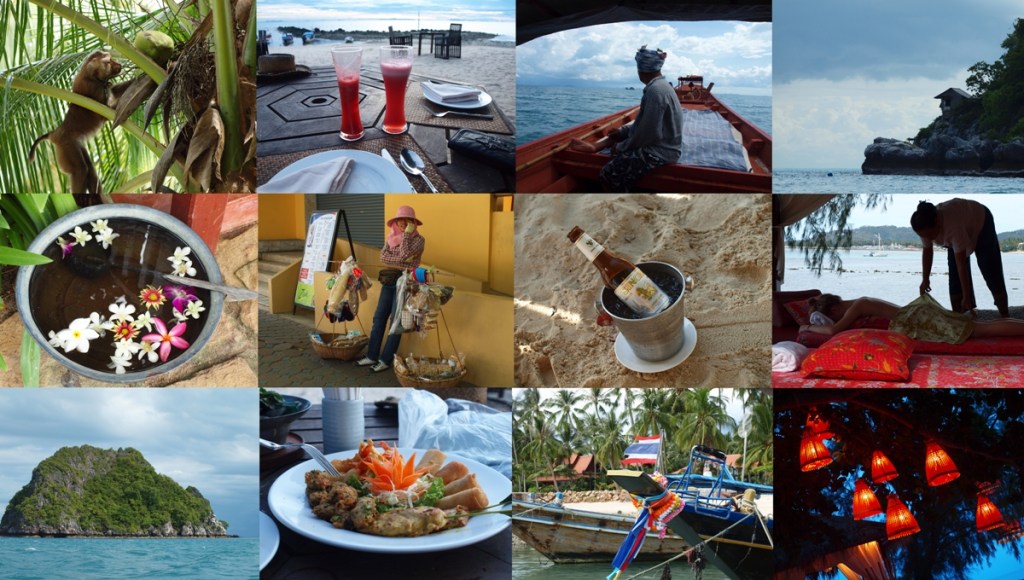
A Taste of Thailand – Thai food isn’t just a meal—it’s an experience. The interplay of flavors, the visual presentation, and the communal style of eating make it perfect for both street food stalls and fine dining. Learn to cook these easy Thai recipes with this list inspired by my travels in Thailand.

Discover Bangkok: Temples, Markets and Tours – Our five day stay in Bangkok is all about exploring the sights of this vibrant city and it’s surrounds, while staying in its beating heart on the banks of the Chao Phraya River. Taking an organised tour is a great way to explore further with confidence and ease.
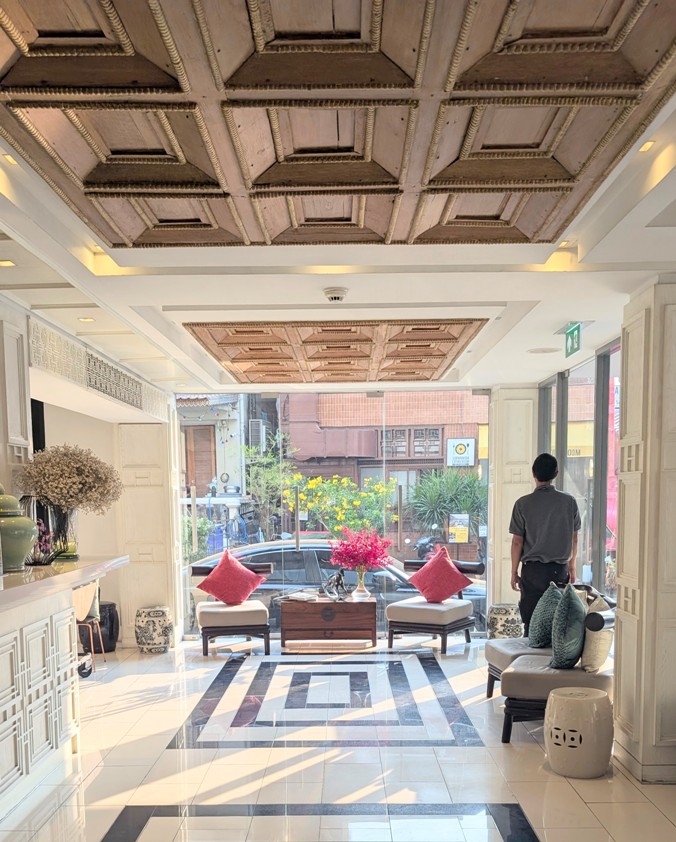
Riva Arun: Riverside Oasis in the Heart of Bangkok – Riva Arun Bangkok is a sanctuary of calm and sophistication amid the crazy, exciting chaos that is Bangkok. This boutique 25 room luxury hotel exudes a stylish elegance amidst a timeless heritage, and is surrounded by some of the city’s most treasured historical sites.
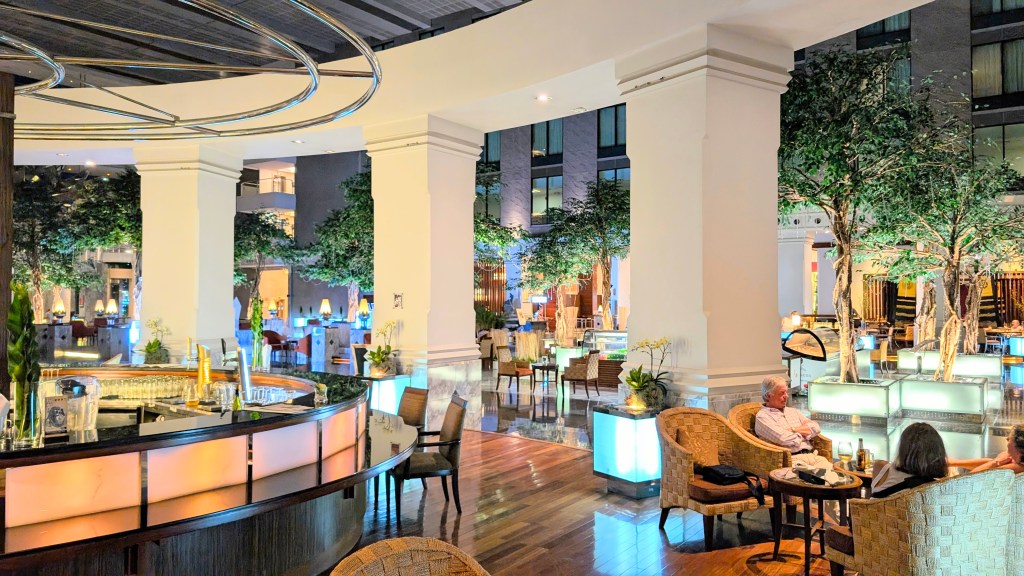
Hyatt Regency Bangkok Suvarnabhumi Airport – not just any Airport Hotel – We may have stayed for only one night at Hyatt Regency Bangkok Suvarnabhumi Airport, but in that short time we were really impressed by its cool, laid back eco-friendly luxury and numerous well appointed amenities.
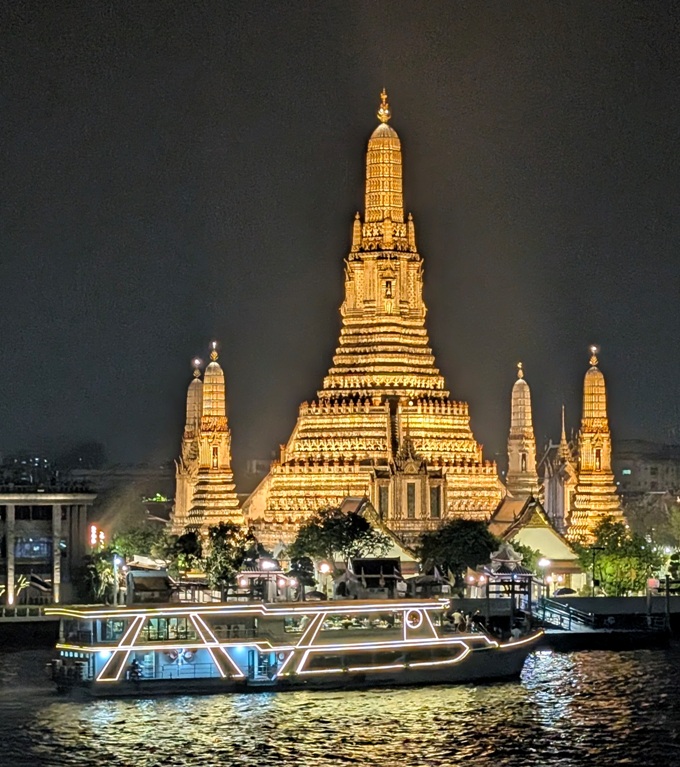
Five Days in Bangkok – Itinerary – This 5-Day Itinerary is all about exploring Bangkok and surrounds, its culture, history and traditions. Each day is different, There are organised tours to key temples and unique markets as well as independent exploration to local attractions by ferry, rail and foot – a great way to uncover this vibrant, interesting and exciting city.

Icon Siam – Bangkok’s Mega Shopping & Dining Destination – ICONSIAM is not just a shopping mall, but a mega-complex that includes the tallest building in Thailand, 7000 shops, 100 restaurants and a delightful floating market. Beat the heat and enjoy traditional street food from all 75 regions of Thailand at its lively market in air conditioned comfort, or dine in the upper levels of the complex at fine dining restaurants offering multiple Michelin Stars and stunning Prao Phraya River views.
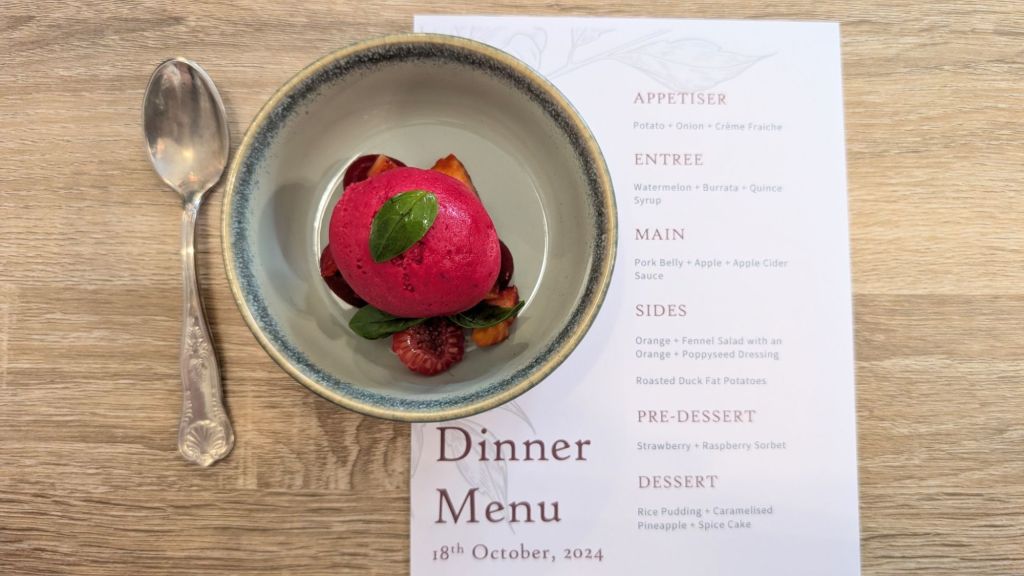
The Art of Degustation – After recently enjoying an amazing Valentines Day degustation dinner at ‘Grace Eats’, a delightful cafe located in the fertile farmlands of South East Queensland’s Lockyer Valley, I decided to find out what this decadent style of dining is really all about.

Bangkok’s Silk Legacy: The Jim Thompson House Museum – The Jim Thompson House Museum isn’t just a stop on your itinerary — it’s a portal into Thailand’s silk renaissance and the enigmatic life of the man who made it global.
Art Exhibitions – Asia – Visiting Asia’s world-class galleries – from modern hubs in Hong Kong and Seoul to experimental spaces in Indonesia – offers the viewer a dynamic look into each region’s vibrant cultural traditions, art history and contempory expressionism.