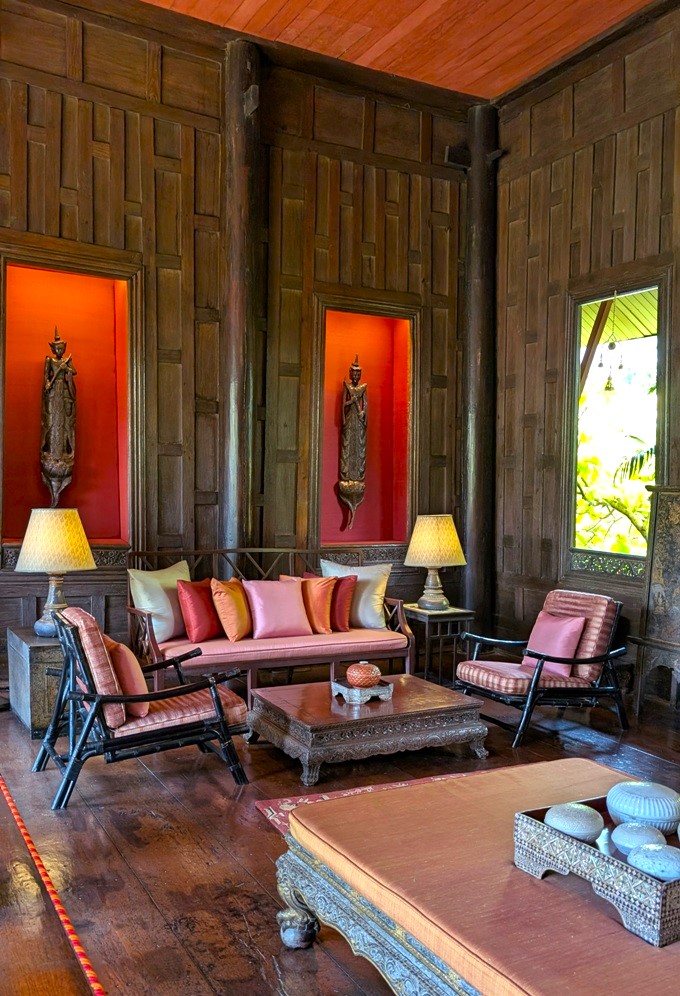
Step off the bustling streets of Bangkok and into a serene world of teakwood elegance, Southeast Asian art, and one of the city’s most enduring mysteries. The Jim Thompson House Museum isn’t just a stop on your itinerary — it’s a portal into Thailand’s silk renaissance and the enigmatic life of the man who made it global.
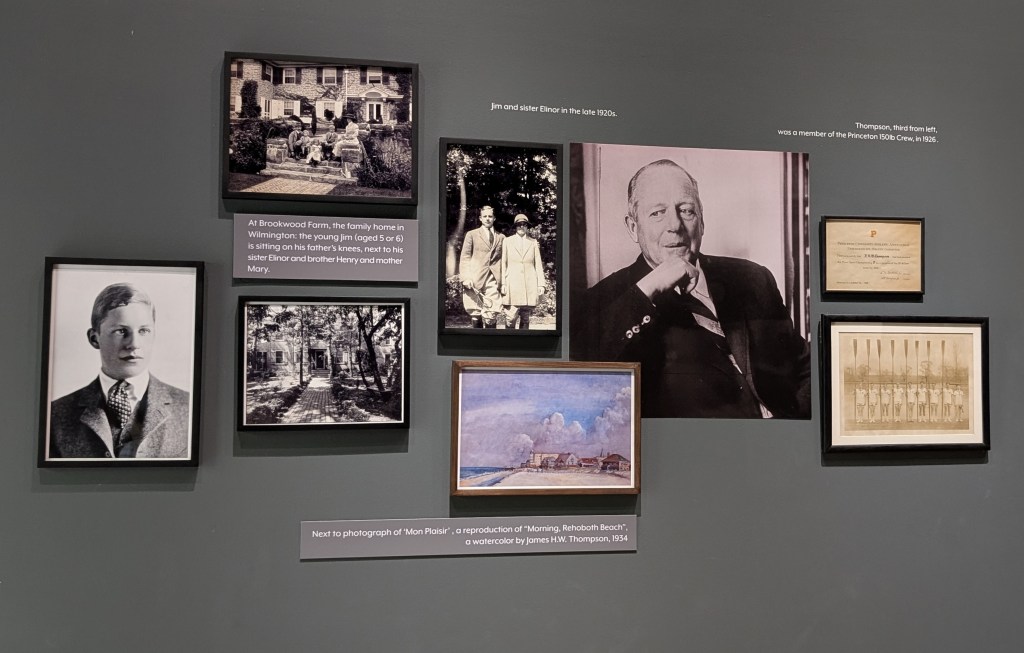
Jim Thompson – The Man Behind the Mystery
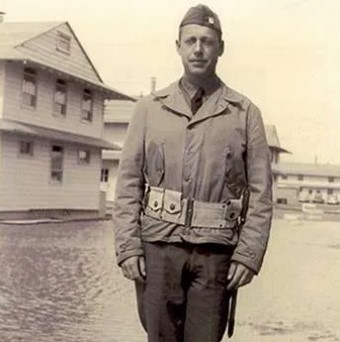
Jim Thompson was an American architect, who served in the US Army during WWII. He campaigned in Europe and was then sent to Asia. When the war ended he was sent to Bangkok as a military officer, and fell in love with Thailand so much so, that after leaving the service, he decided to return and live there permanently.
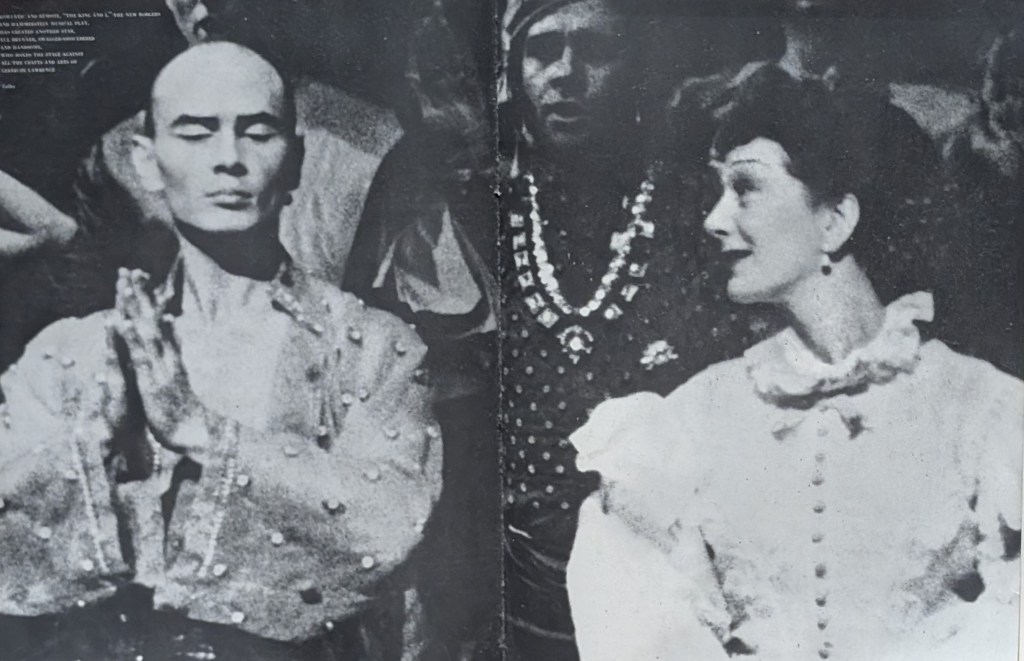
Hand-woven silk, a long-neglected cottage industry in Thailand, captured his attention, and he devoted himself to reviving the craft. Highly gifted as a designer and textile colourist, he contributed substantially to the industry’s growth and to the world wide recognition of Thai silk. In 1948 he founded the Thai Silk Company Ltd and introduced Thai silk to the global fashion scene and world stage. In 1951 Broadway made use of his Thai silk fabrics for the Rogers and Hammerstein musical, “The King and I”.
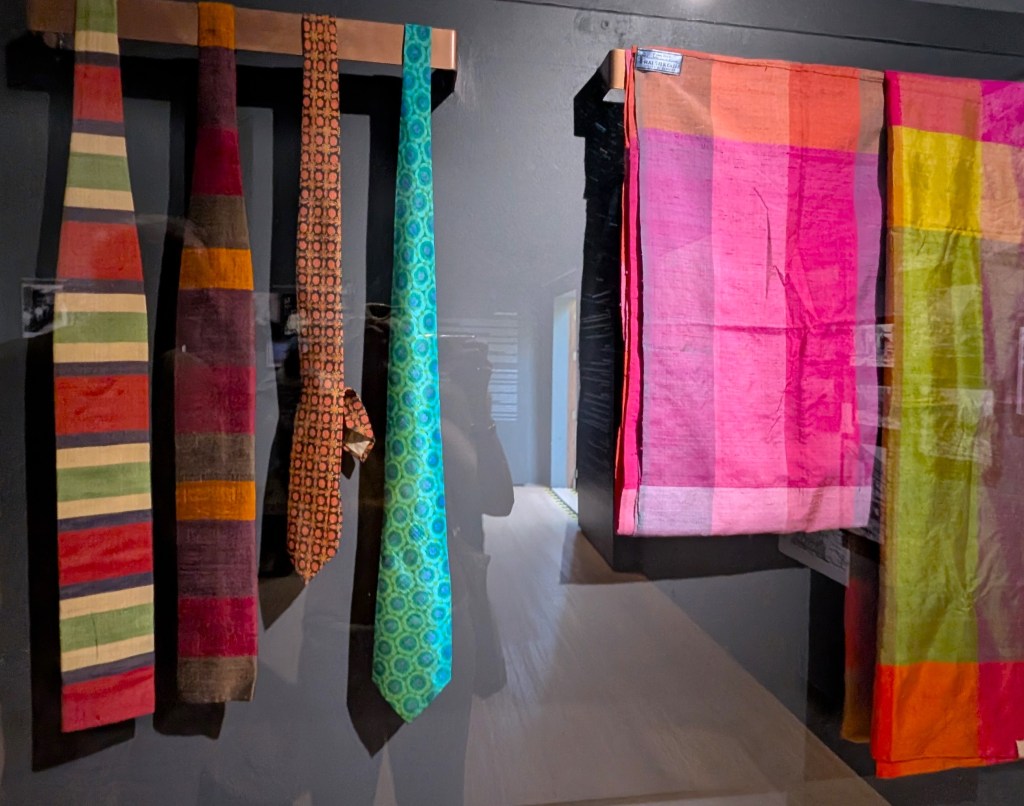
But Jim Thompson didn’t just create the bright jewel tones associated with Thai silk today, he is also credited for raising thousands of Thailand’s poor out of poverty by establishing and maintaining a cottage-based company employing women as the bulk of his workforce.
The House That Silk Built: A Living Legacy of Thai Architecture
Jim Thompson was a passionate art collector and travelled extensively, amassing many rare Southeast Asian pieces, which he built his home around in order to showcase them.
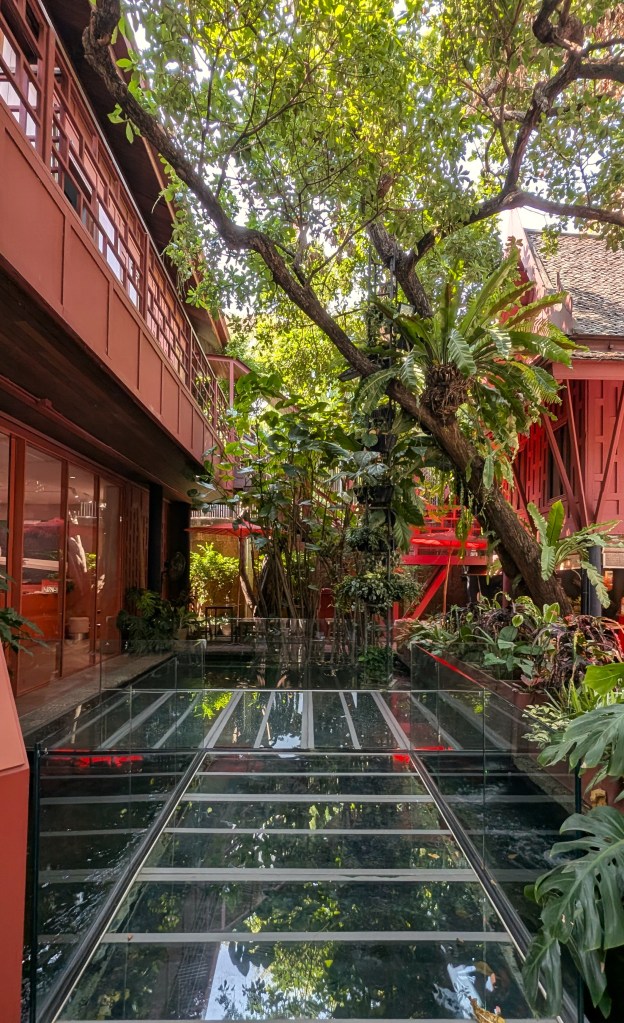
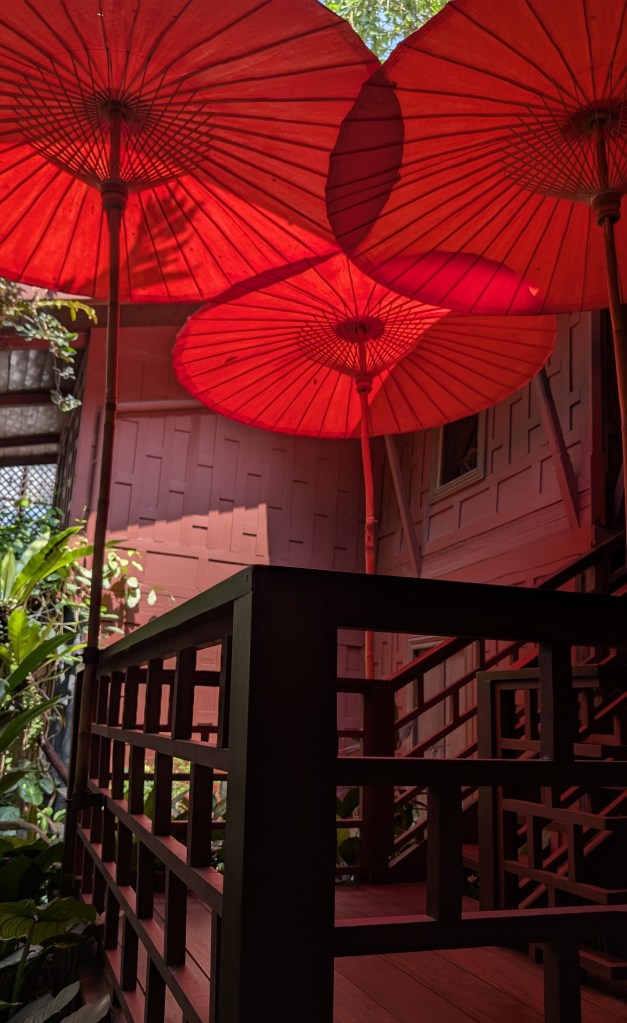
In 1957 he bought a piece of ground on a canal just opposite his weavers’ village – Ban Khrua, and In 1958 he commence construction on his house – a combination of six Teak buildings, most of which were over 200 hundred years old, which he sourced from across Thailand and reconstructed using traditional methods. In his quest for authenticity, Thompson adhered to the customs of early builders, elevating the buildings a full story above the ground (to avoid flooding and to provide air circulation), using ancient firing techniques for the roof tiles, and maintaining the rich red pigment on the buildings’ exteriors. One concession to modern convenience however, was the addition of ornate chandeliers which he sourced from 18th and 19th century Bangkok palaces.
On April 3rd 1959, deemed an auspicious day by astrologers, Thompson held a Buddhist ceremony in the drawing room to mark the completion of the house…and in he moved.
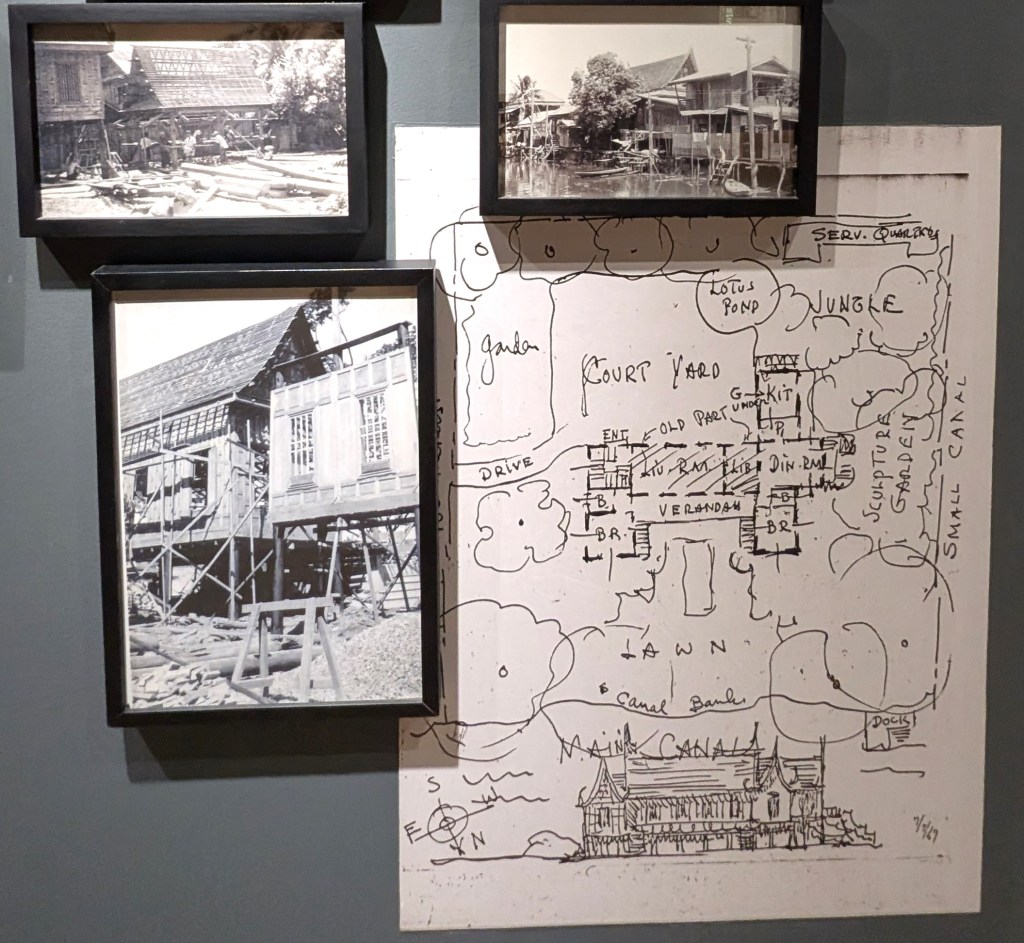
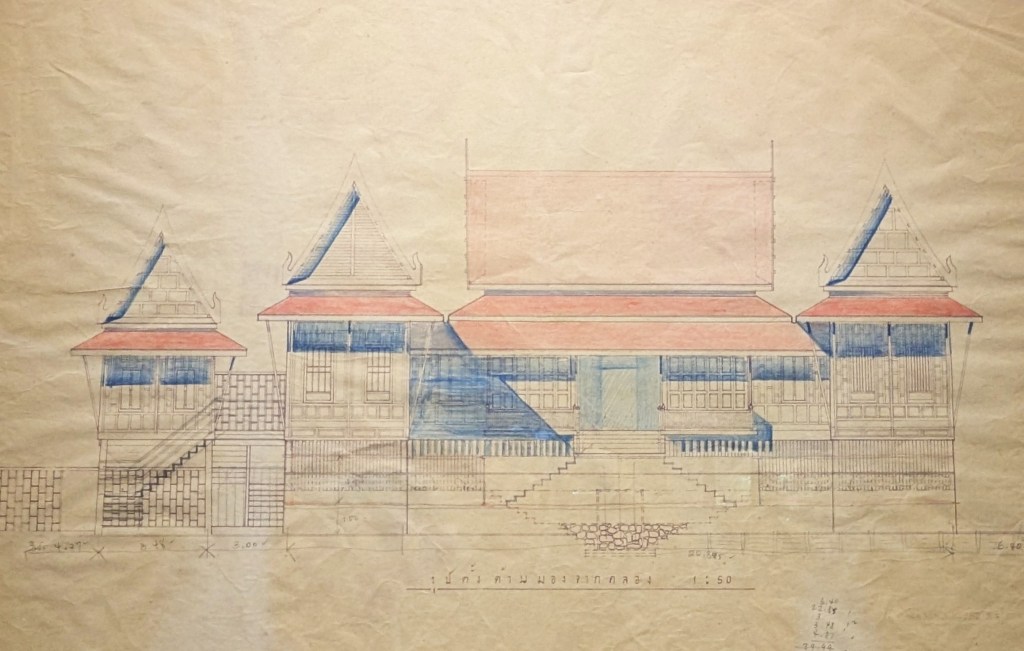
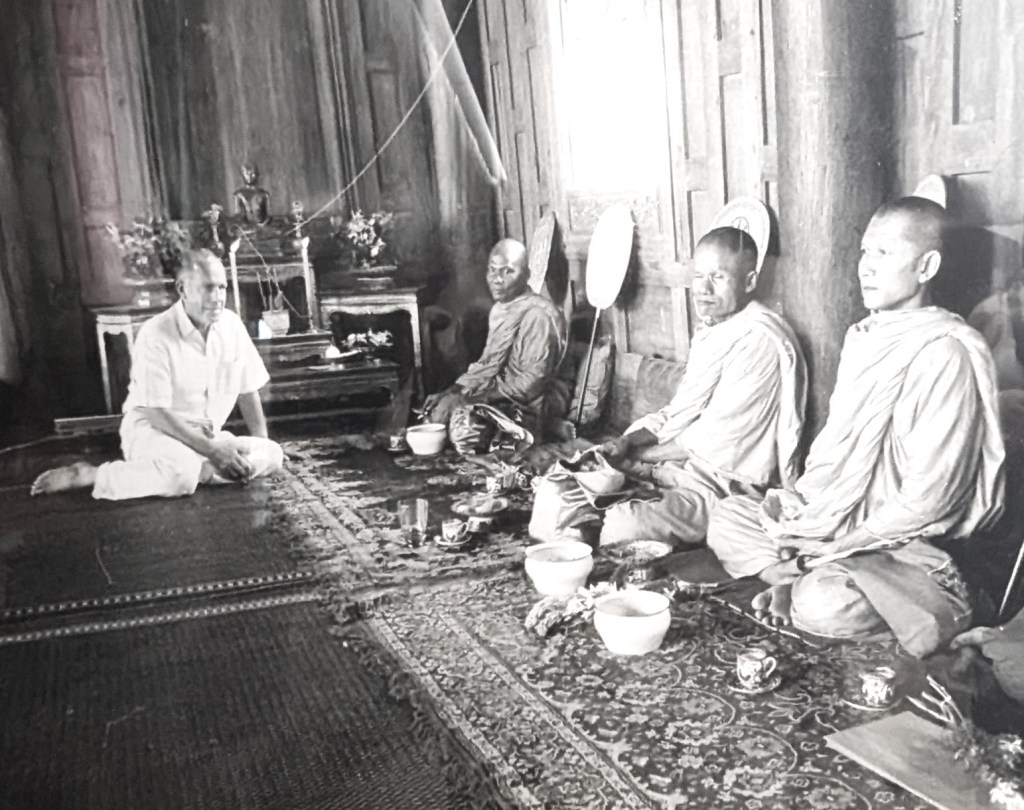
Sitting beside the Saen Saep canal, the home had a serene, tucked-away charm. The largest structure, now the living room (originally a weaver’s house from Ban Khrua), had been so well-transformed, that Thompson remarked “The walls are so beautiful…that I can’t even put one painting in the livingroom.”
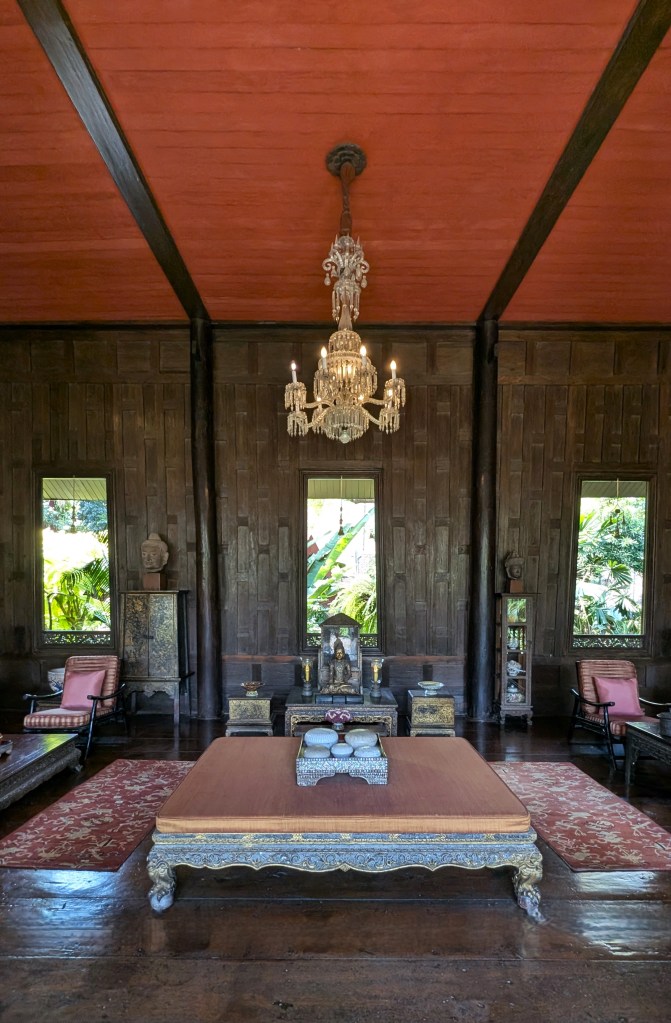
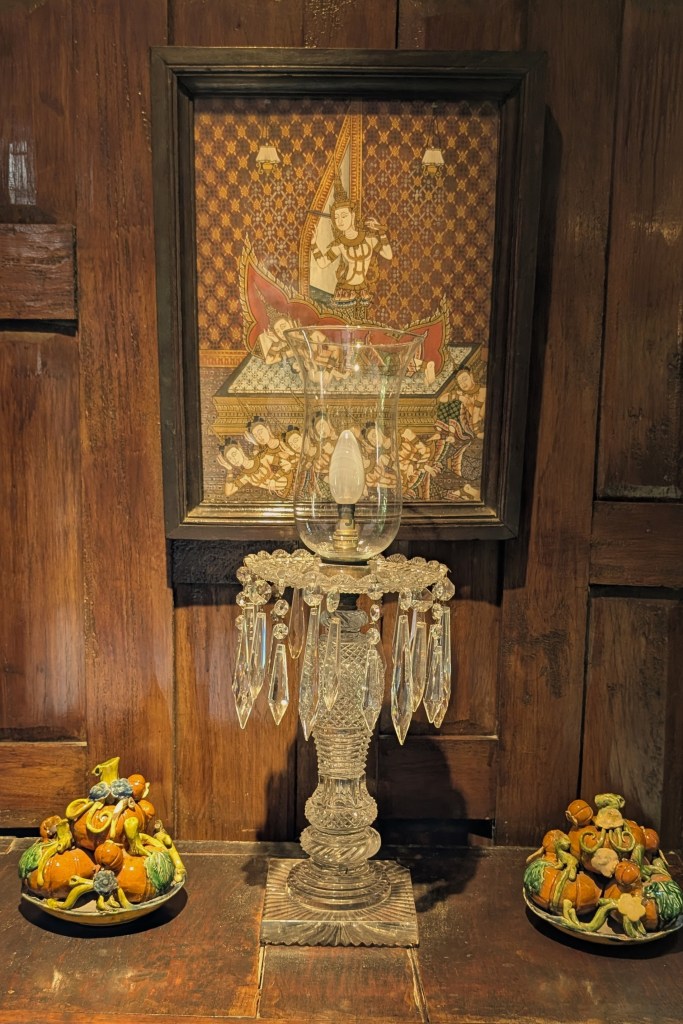
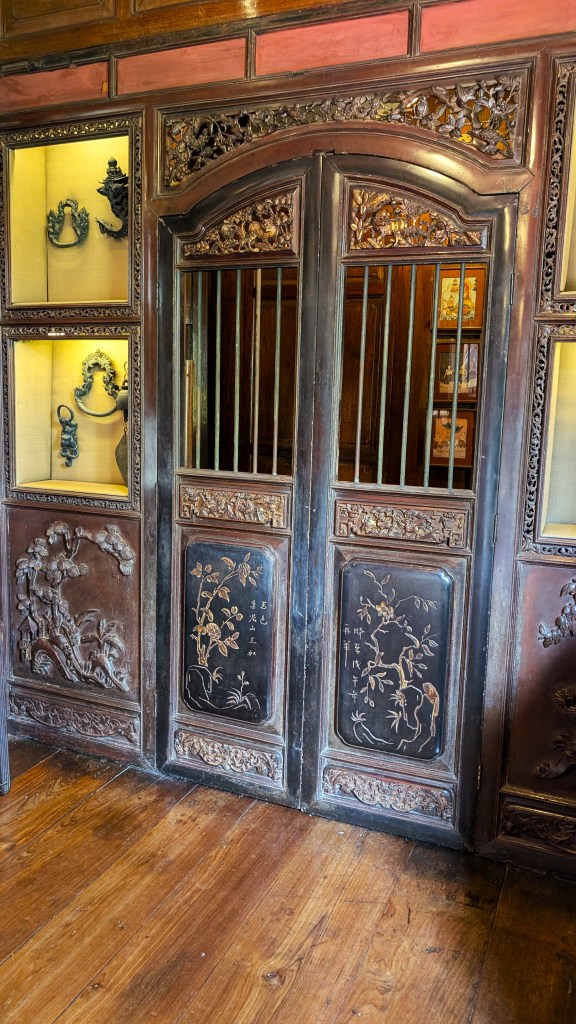
The house design resembled a Western mansion with two wings. All rooms were built on the same level and linked by a large corridor. Thompson incorporated his own unique design style into the build by reversing wall panels and window sculptures so that they could be seen from inside the house, and by transforming windows into niches which then housed his collection of Burmese statues.
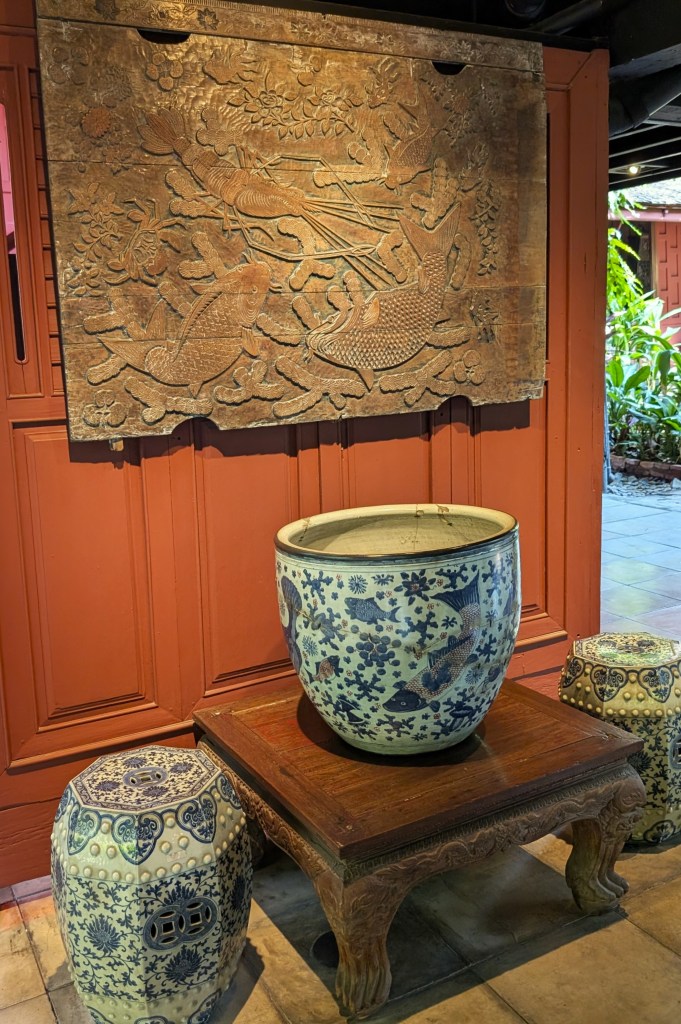
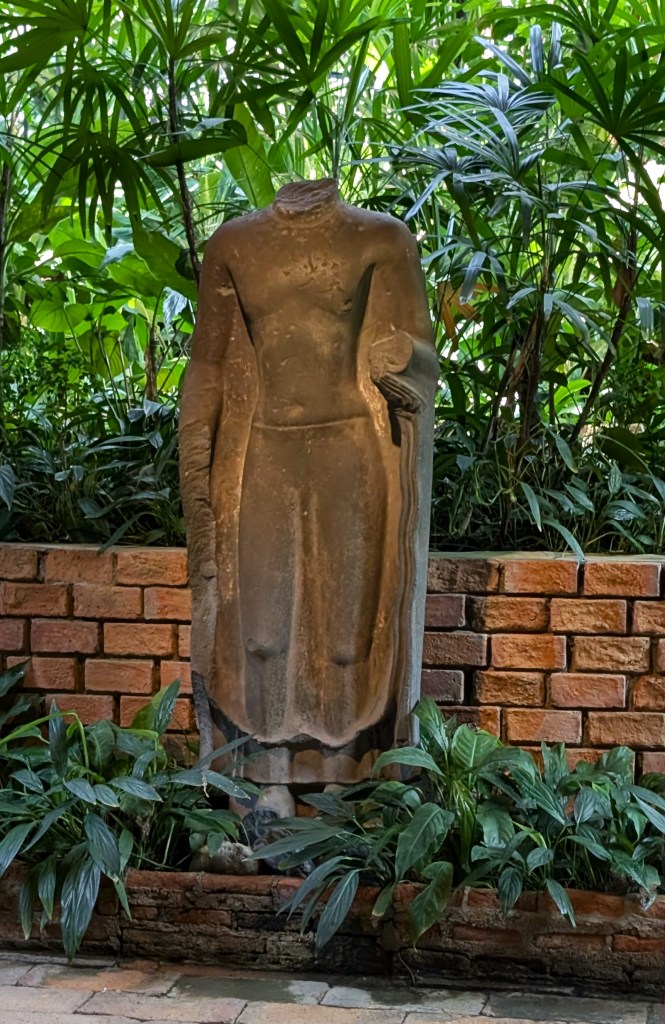
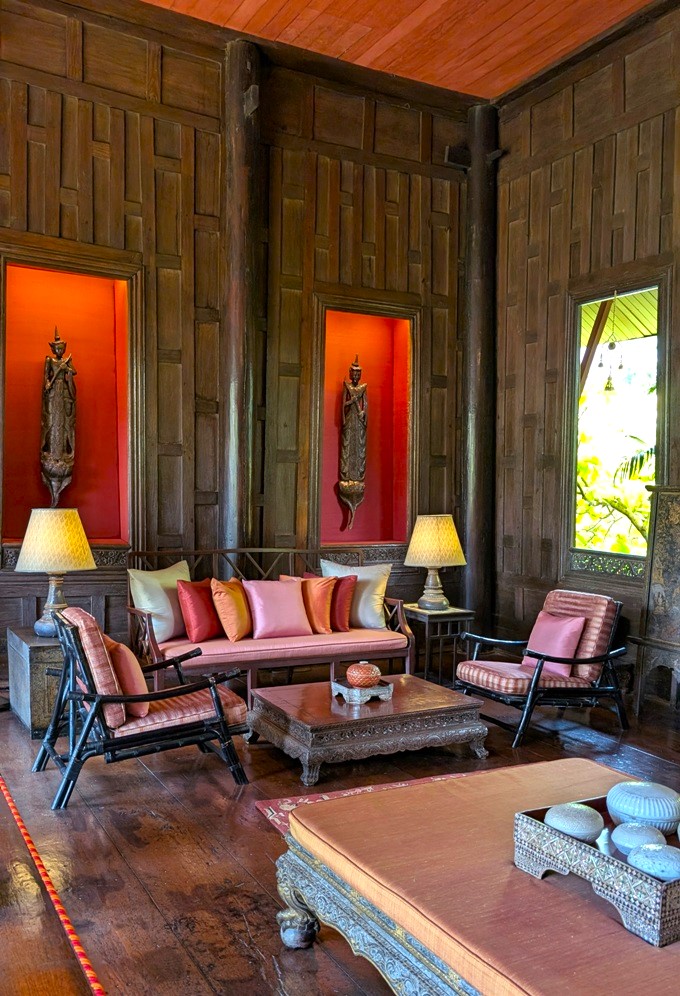
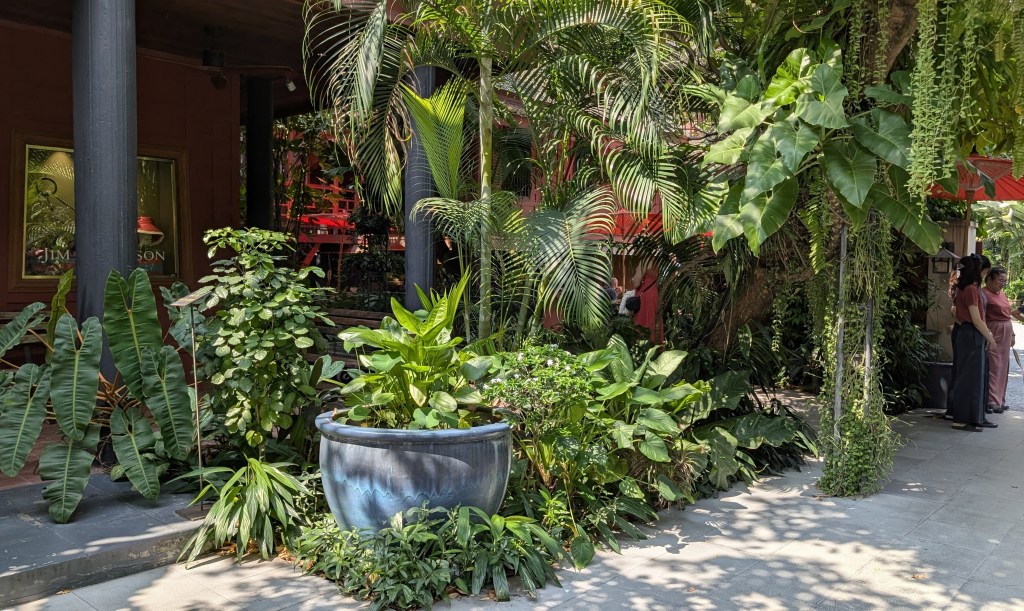
Each building or ‘wing’ had its unique purpose – pantry/kitchen, dining room, master bedroom and living room, all of which were surrounded by lush tropical gardens and water features. “Jungle” was how Jim Thompson described his densely-planted garden, which included lofty palms, golden bamboos and verdant creepers.
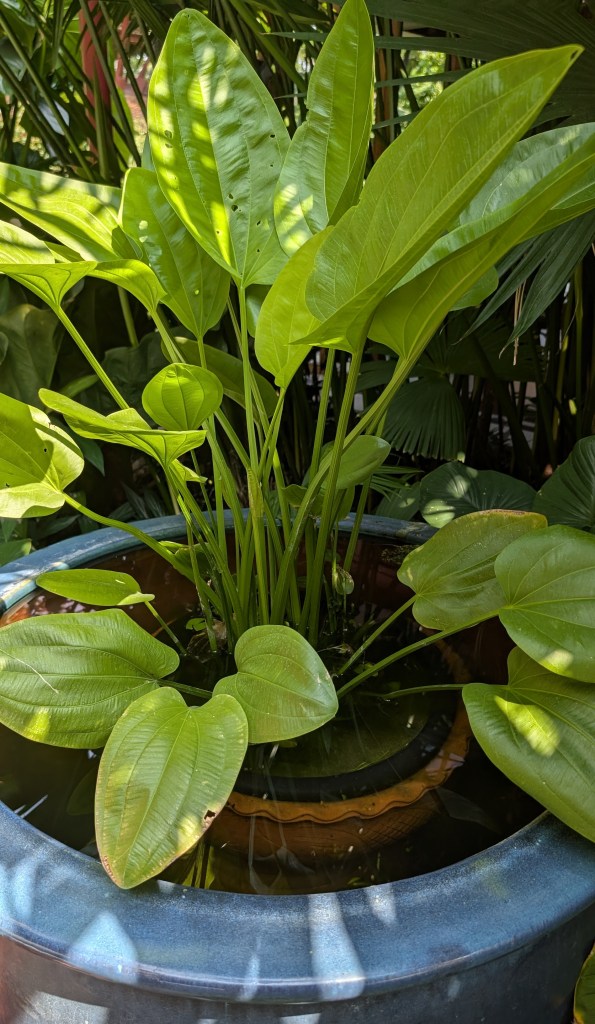
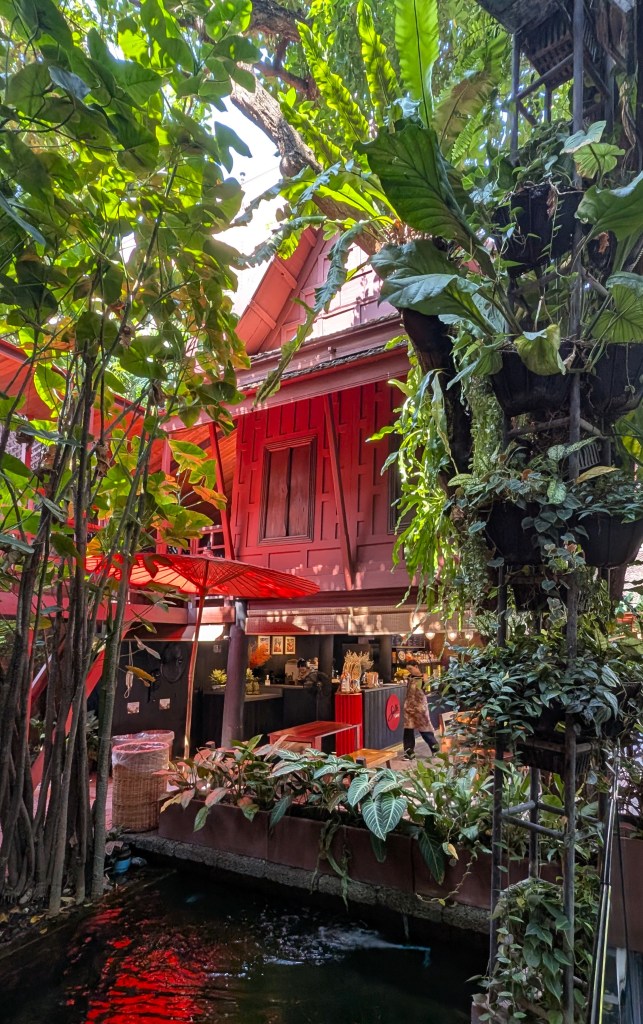
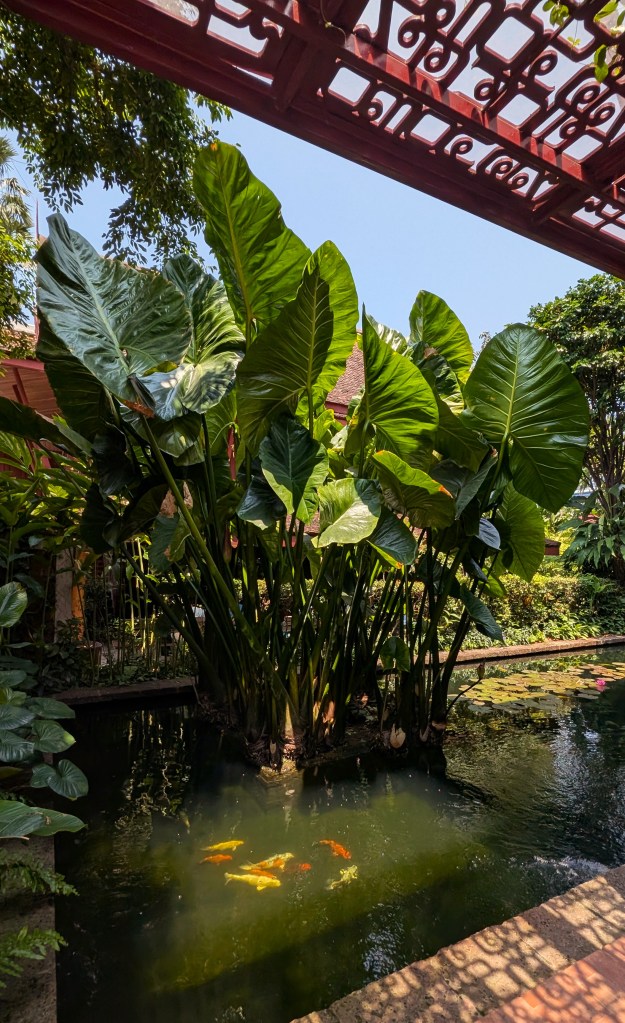
Not only did the house become a showcase for Southeast Asian art – Buddhist statues, Thai paintings, Burmese and Cambodian artifacts, plus 16th–17th century Chinese porcelain, it soon became such a point of interest that Thompson decided to open his home to the public. The proceeds were donated to Thai charities and projects related to the preservation of Thailand’s rich cultural heritage.
The Mystery: Jim Thompson’s Disappearance
On 26th March 1967, while vacationing in Malaysia’s Cameron Highlands, Thompson, aged 61, vanished without a trace. Despite the largest land search in Southeast Asian history involving hundreds of troops and psychics, his body was never found. Not a single valid clue has come to light in the ensuing years and to this day his disappearance remains one of Southeast Asia’s great unsolved mysteries.
The Facts: ◾He had gone for a walk after lunch, leaving behind his cigarettes and essential medication, suggesting he had not intended to be gone long. ◾An intensive 11-day search was launched, involving 325 police, British soldiers, and aboriginal trackers, but no trace was found. ◾In 1974 Thompson was declared dead in absentia by a Thai court. ◾Six months after his disappearance, his sister was murdered in Delaware.
The Theories: ◾A Jungle Accident – in which he may have become lost, suffered a heart attack, or fallen into a ravine and was covered by the dense jungle. ◾A Kidnapping/Espionage – Given his past as a US Office of Strategic Services (OSS), theories suggest he was kidnapped by communists, killed by spies, or that he staged his own disappearance. ◾Tiger Attack – Although a common theory in the area, experts find it less likely as no clothes or body parts were discovered

A Fascinating Life: The Jim Thompson House Museum
After his disappearance, his famous house was preserved by the James H.W. Thompson Foundation, under the royal patronage of Princess Maha Chakri Sirindhorn, and is now a lasting reminder of his creative ability and his deep love of Thailand.
The museum displays and maintains Jim Thompson’s home just as it was when he disappeared. Located within easy reach, just a short walk from Bangkok’s National Stadium BTS Station, it is now a major tourist highlight for visitors and locals alike. Rich in history, Thai silks, rare Asian art, exquisite Thai architecture, traditional Thai dining, shopping and lush tropical gardens overflowing with plants, koi ponds, and pavilions – it is a joy just to wander around this amazing complex!
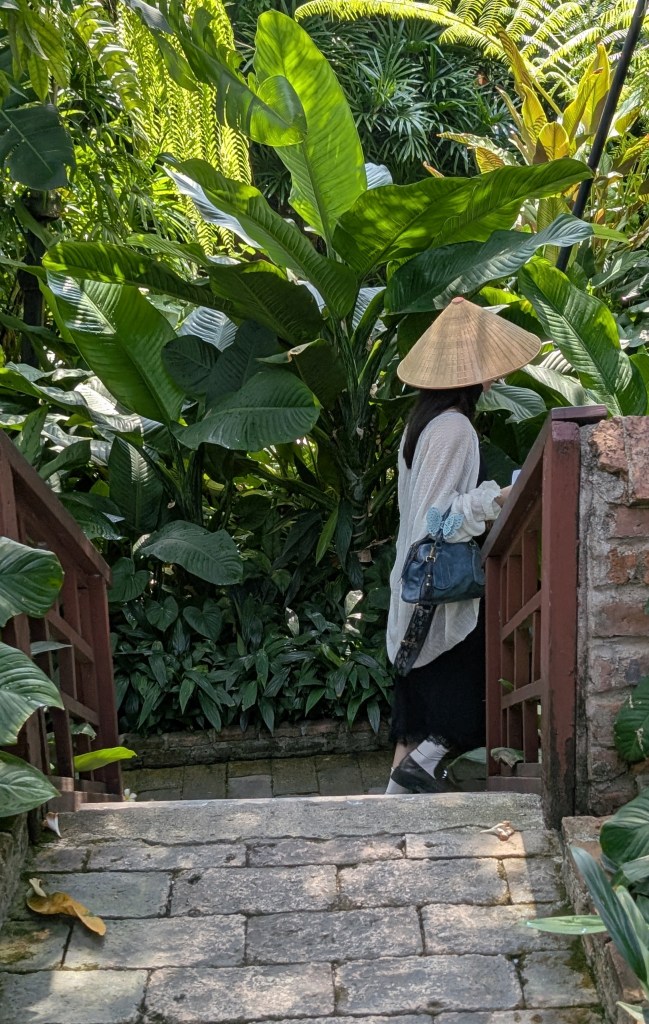
Guided tours are offered in English, Thai, French, Chinese, and Japanese. Expert guides share stories about Jim’s life, the house’s history, and the artifacts’ meaning. The tour is included in the ticket price and makes the visit more enriching.
Today, the Thai Silk Company still operates, alongside the James H.W. Thompson Foundation, which runs the museum and art center.
Jim Thompson stores are not only found in malls like Siam Paragon and ICONSIAM but also in the online store which sells its luxury silk products. His vision continues through the Jim Thompson Art Center, which supports local and international art.
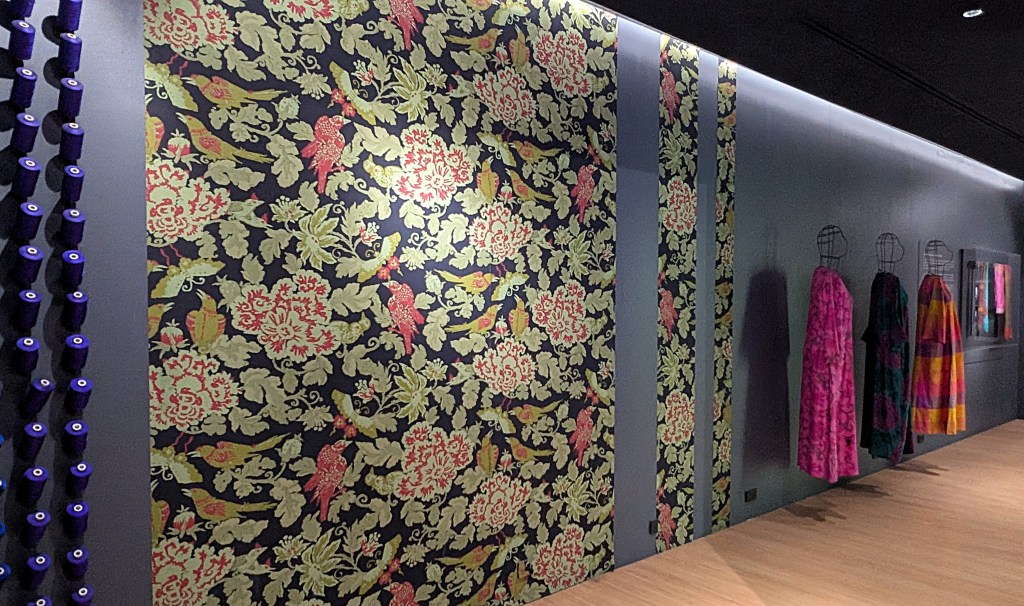
🕙 Open daily: 10 AM – 5 PM 🎟️ Entry: 250 baht (adults), 150 baht (students), free for kids under 10 🚆 BTS: National Stadium Station, Exit 1
◼ Guided tours are required for entry
Jim Thompson House Museum – Visitor Information
Thai Silk to Thai Flavours
After immersing yourself in the textures of Thai silk, indulge in the flavors of Thai cuisine…just steps from the museum:
Jim Thompson Restaurant & Wine Bar
Located within the museum grounds, this elegant spot offers refined Thai dishes in a lush garden setting. Try the pomelo salad with grilled prawns or the massaman lamb curry — both beautifully plated and rich in heritage.
Baan Krua Community
A short walk away, this Muslim weaving neighborhood was home to Thompson’s original silk artisans. While not a formal dining spot, it’s a cultural gem — and some homes still sell handwoven silk. Pair your visit with a street-side snack like kanom krok (coconut rice pancakes) from nearby vendors.
Siam Square
Just across Rama I Road, Siam Square offers everything from trendy Thai fusion to classic street eats. Our top picks to stop at:
- Som Tam Nua: Famous for spicy papaya salad and crispy fried chicken
- Ban Khun Mae: Traditional Thai in a cozy, vintage setting
- After You Dessert Café: For mango sticky rice with a modern twist
Bangkok Guided Tours:
Bangkok: Jim Thompson House Tour and Thai Cooking Experience – Discover Bangkok’s cultural and culinary treasures. Experience a Thai cooking class and taste your creations, and explore the Jim Thompson House with its historic architecture and lush gardens.
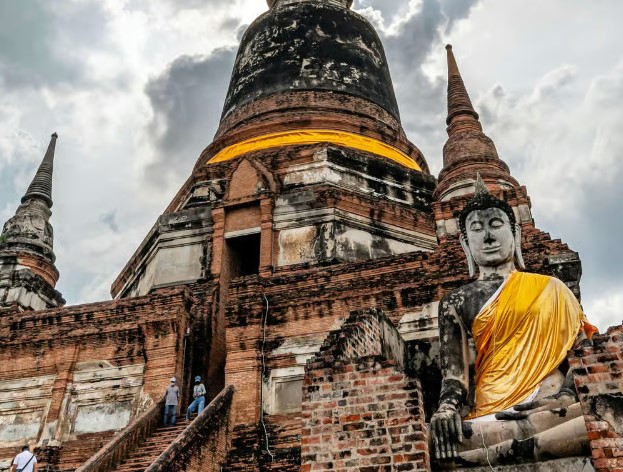
From Bangkok: Ayutthaya Heritage Tour with Sunset Boat Ride – Experience the magic of Ayutthaya on a guided tour from Bangkok. Visit iconic temples and UNESCO heritage sights, taste delicious snacks at a local fruit market, and enjoy a scenic sunset boat cruise.
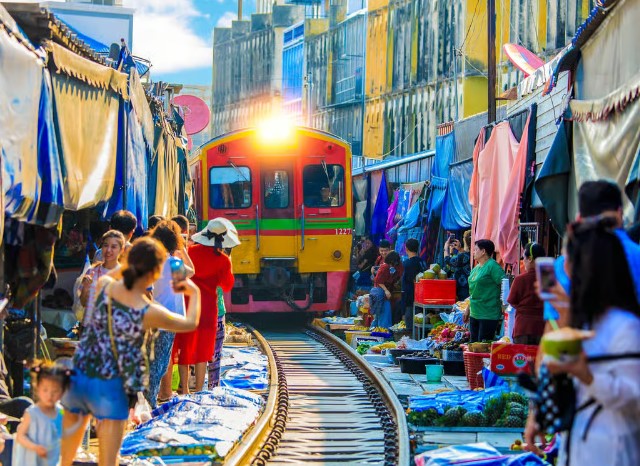
Bangkok: Maeklong Railway & Amphawa Floating Market Day Trip – Discover Maeklong Railway Market and Amphawa Floating Market on a Bangkok tour and enjoy a firefly boat cruise. Visit Wat Bang Kung, a hidden temple wrapped in tree roots, just outside Bangkok.
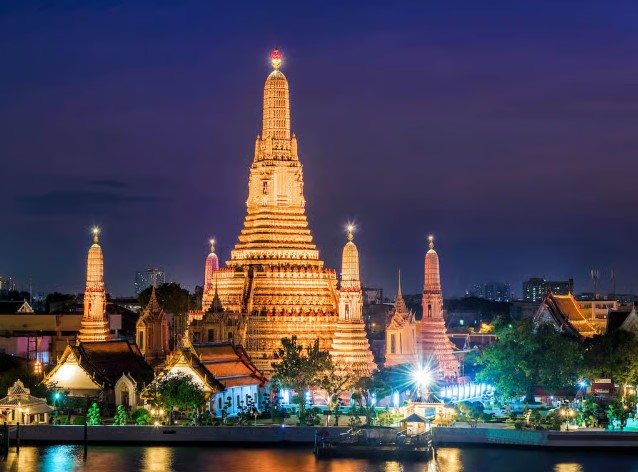
Bangkok: Evening Tour with Wat Arun, Wat Pho & Tuk Tuk Ride – Discover Maeklong Railway Market and Amphawa Floating Market on a Bangkok tour and enjoy a firefly boat cruise. Visit Wat Bang Kung, a hidden temple wrapped in tree roots, just outside Bangkok.
Airport Transfers:
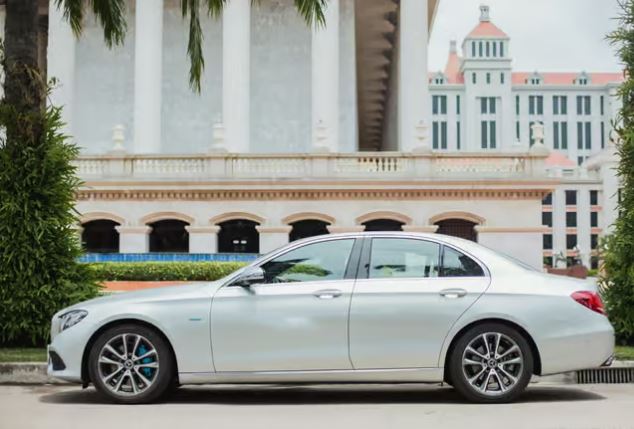
Suvarnabhumi Airport Bangkok: Luxury Private Transfers – Take the hassle out of your travel plans with a pre-booked private 1-way transfer between Suvarnabhumi Airport and Bangkok. Ride in comfort with a personal chauffeur and luxury vehicle seating.
Explore Further:
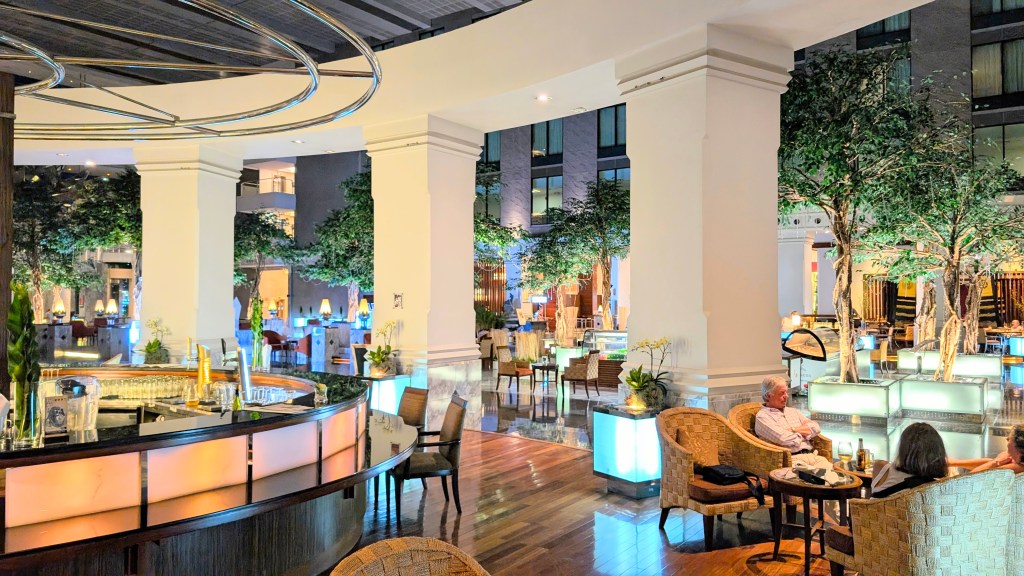
Hyatt Regency Bangkok Suvarnabhumi Airport – not just any Airport Hotel – We may have stayed for only one night at Hyatt Regency Bangkok Suvarnabhumi Airport, but in that short time we were really impressed by its cool, laid back eco-friendly luxury and numerous well appointed amenities.
Discover Bangkok: Temples, Markets and Tours – Our five day stay in Bangkok is all about exploring the sights of this vibrant city and it’s surrounds, while staying in its beating heart on the banks of the Chao Phraya River. Taking an organised tour is a great way to explore further with confidence and ease.

Icon Siam – Bangkok’s Mega Shopping & Dining Destination – ICONSIAM is not just a shopping mall, but a mega-complex that includes the tallest building in Thailand, 7000 shops, 100 restaurants and a delightful floating market. Beat the heat and enjoy traditional street food from all 75 regions of Thailand at its lively market in air conditioned comfort, or dine in the upper levels of the complex at fine dining restaurants offering multiple Michelin Stars and stunning Prao Phraya River views.
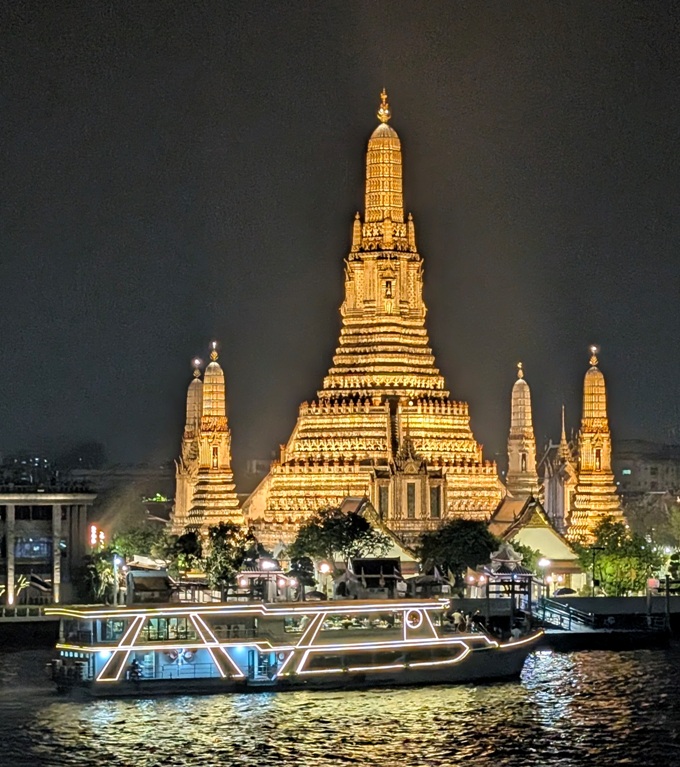
Five Days in Bangkok – Itinerary – This 5-Day Itinerary is all about exploring Bangkok and surrounds, its culture, history and traditions. Each day is different, There are organised tours to key temples and unique markets as well as independent exploration to local attractions by ferry, rail and foot – a great way to uncover this vibrant, interesting and exciting city.
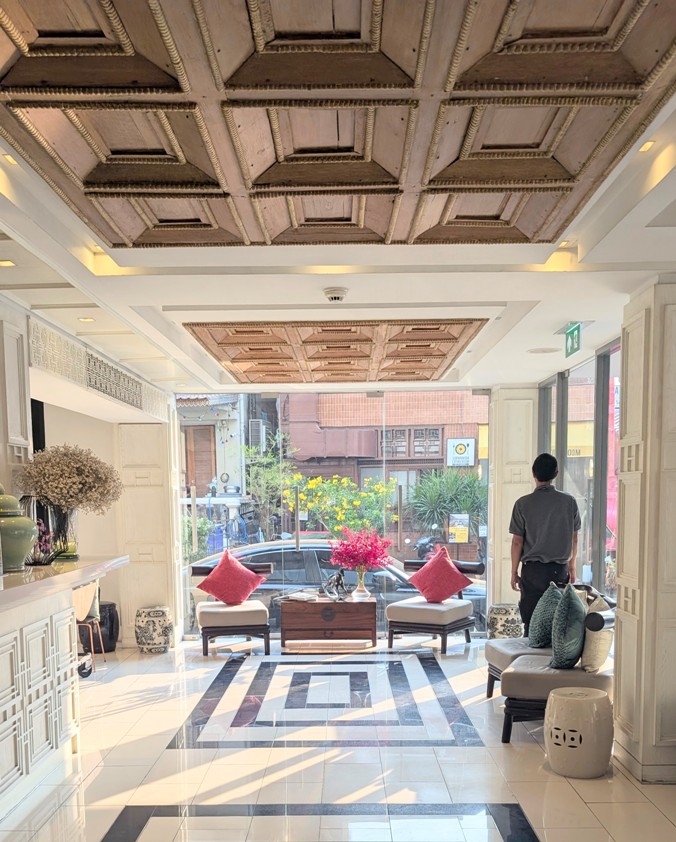
Riva Arun: Riverside Oasis in the Heart of Bangkok – Riva Arun Bangkok is a sanctuary of calm and sophistication amid the crazy, exciting chaos that is Bangkok. This boutique 25 room luxury hotel exudes a stylish elegance amidst a timeless heritage, and is surrounded by some of the city’s most treasured historical sites.
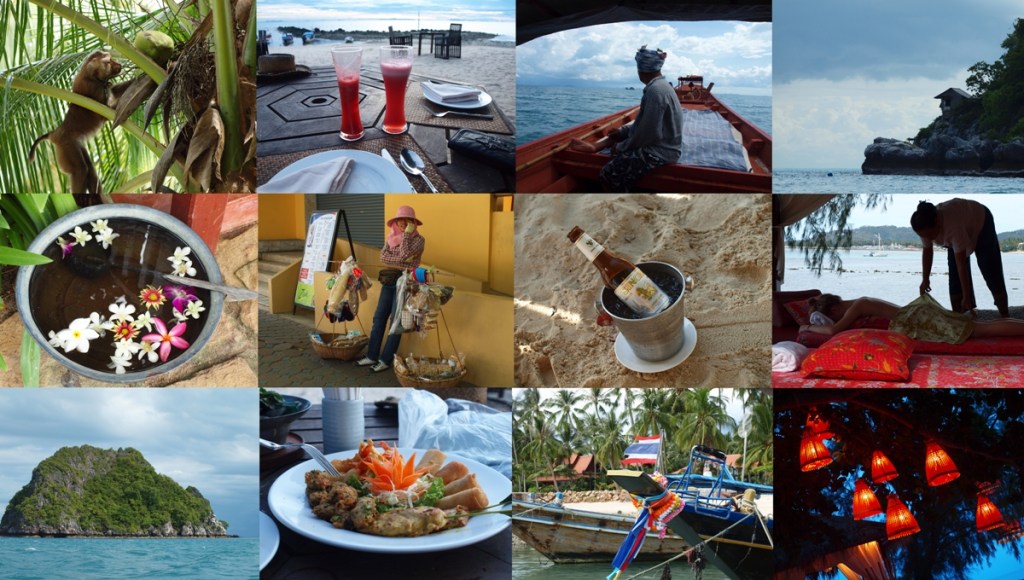
A Taste of Thailand – Thai food isn’t just a meal—it’s an experience. The interplay of flavors, the visual presentation, and the communal style of eating make it perfect for both street food stalls and fine dining. Learn to cook these easy Thai recipes with this list inspired by my travels in Thailand.
Art Exhibitions – Thailand – Thai art seamlessly bridges sacred spirituality with contemporary expressionism. Traditionally centred on Theravada Buddhism, it is defined by the fluid elegance of intricate flowing motifs and serene temple murals. Today, modern creative hubs blend these classical traditions into a new style of distinctive works.